
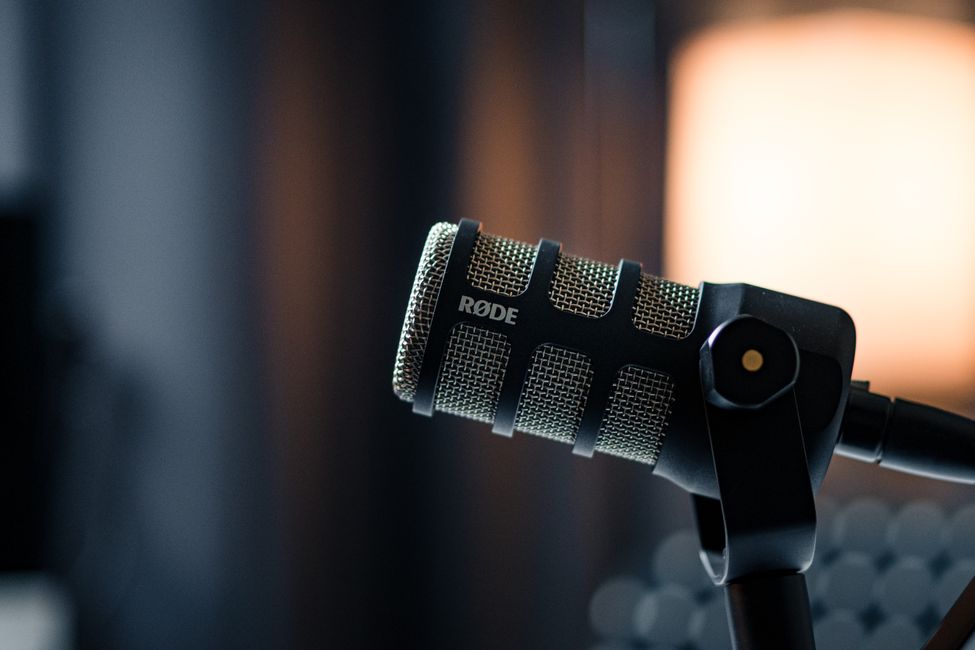
Somewhere in the last couple of years, "podcast" stopped meaning only audio. In 2026 that change is no longer a prediction. It is simply how the medium works.
Recent industry data suggests that around 52% of US listeners now also watch video podcasts, and that by 2028 the majority of shows are expected to carry some kind of video component, per Learning Revolution and coverage at Podcast Videos. Just as telling, a large share of listeners now discover new shows on YouTube, ahead of the traditional audio apps.
Discovery moved, so the work moved
This is the part that catches hosts off guard. It is not only that people want to watch. It is that they now go looking for podcasts in places built for video. A show that exists only as an audio file in an app is quietly harder to find than one with a face, a clip and a thumbnail.
That does not mean every host needs a studio. It means the bar for being findable has changed. A simple, well-lit camera. A few honest clips pulled from the best moments of a conversation. A thumbnail that tells the truth about what the episode is. These small things are increasingly the difference between a show that grows and one that stays where it is.
The catch nobody mentions
Video adds work, and it adds pressure. Audio is forgiving. You can record on a bad day and no one knows. Video asks for more, and for people making shows about mental health and honest conversation, that can cut against the grain. The last thing a wellbeing show should become is another polished performance.
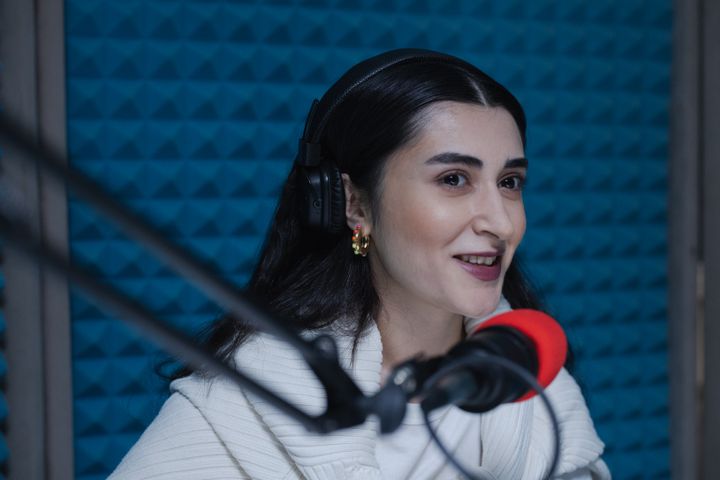
So the useful way to think about it is not "go make television." It is: let people see the room. Video works best in this space when it is plain and human, two people actually talking, not a set. The audience is not asking for gloss. They are asking to feel like they were there.
Where this leaves us
The medium is no longer defined by a single app or an audio-only workflow. Search, video, community and creator economics all now shape whether a show grows. For a network, that means treating each conversation as something that can live in more than one form: the full audio for the committed listener, the clip for the person who has never heard of you, the video for the one who wants to watch a face while they listen.
None of it replaces the core thing, which is a conversation worth having. It just gives that conversation more doors to be found through. And in a crowded year, more doors is not vanity. It is survival.

Comments
Loading comments…