
Podcasting used to mean one thing: someone talking into a microphone, creating an audio file that listeners could download or stream. But the landscape is shifting. Today's podcasters are learning to think beyond the audio feed, building their shows across multiple platforms and formats at once.
According to a recent industry update from Podnews, the modern podcast isn't just audio anymore. It's video, newsletters, short-form clips and social media content, all working together to reach audiences wherever they spend their time.
This shift reflects how people consume content now. Some prefer listening during their commute, others want to watch a video version on YouTube, and many discover new shows through bite-sized clips on Instagram or TikTok. Podcasters who embrace this reality are finding more ways to connect with their communities.
Why podcasters are going multiplatform
The change isn't just about following trends. It's about meeting audiences where they already are. A listener might first encounter a podcast through a 30-second clip on social media, then subscribe to the newsletter for bonus insights, and eventually become a regular audio listener. Each platform serves as a different doorway into the same creative world.
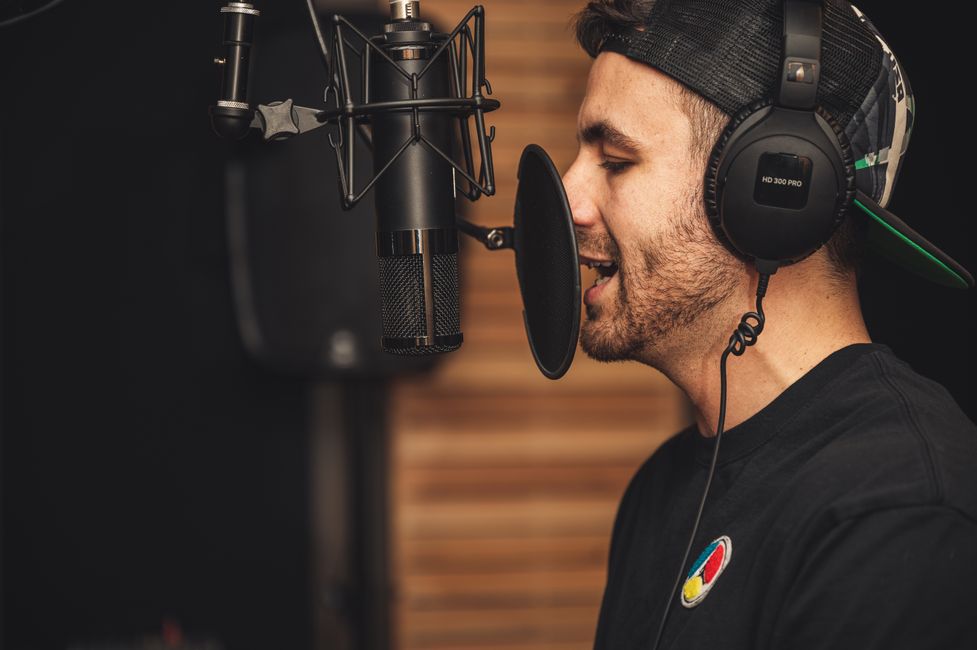
Video has become especially important. Platforms like YouTube now host millions of podcast episodes, and many shows record with cameras running alongside microphones. This visual element can make conversations feel more intimate and engaging, though it also requires more production work.

*Photo: Burst · Pexels*
Newsletters offer another dimension. While the podcast episode might be a conversation, the newsletter can provide written reflections, links to resources mentioned in the show, or updates about upcoming episodes. It's a direct line to listeners that doesn't depend on algorithms or platform changes.
Short-form content, meanwhile, acts as a discovery tool. A compelling 60-second clip can introduce thousands of people to a podcast they've never heard of. These snippets are designed for scrolling feeds, grabbing attention quickly and inviting people to explore more.
The challenge of doing it all
Of course, managing multiple platforms takes time and energy. A podcaster who once focused solely on producing a weekly audio episode now faces decisions about video editing, newsletter writing, and social media strategy. For solo creators or small teams, this can feel overwhelming.
The question becomes: how much is too much? Not every podcast needs to be everywhere. Some shows thrive on audio alone, with loyal listeners who appreciate the simplicity. Others find that their audience genuinely wants video or written content, making the extra effort worthwhile.
The key seems to be intentionality. Rather than trying to be present on every platform just because it exists, successful multiplatform podcasters choose the formats that genuinely serve their audience and their creative vision. A mental wellness podcast, for instance, might find that a thoughtful weekly newsletter resonates more than rapid-fire TikTok clips.
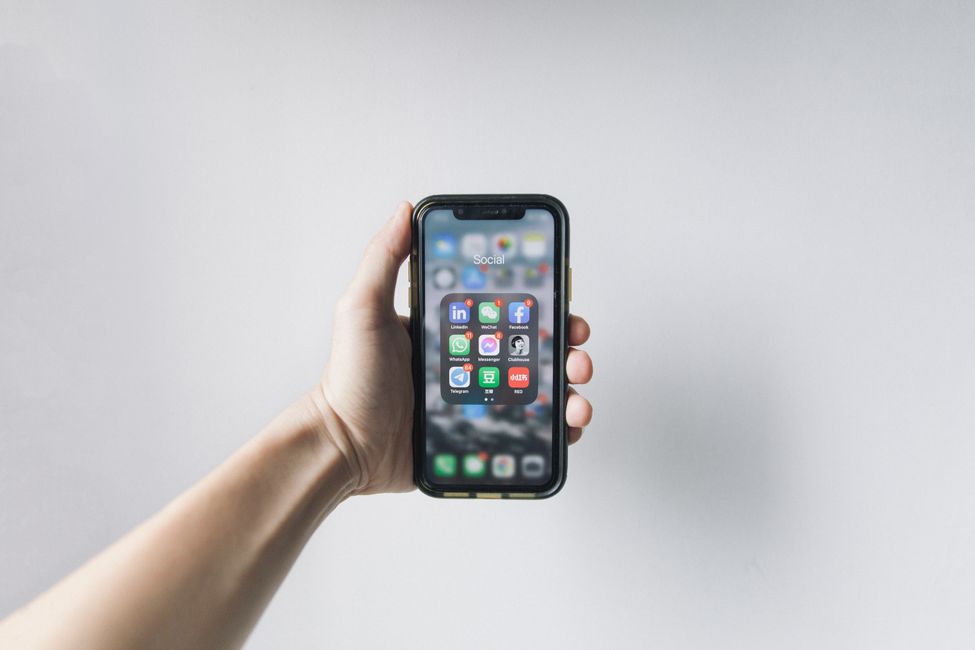
*Photo: Zx Teoh · Pexels*
What this means for connection
For those of us creating content around mental health and wellbeing, the multiplatform approach offers something valuable: more ways to meet people in moments when they need support or insight. Someone scrolling social media during a difficult moment might encounter a short clip that offers perspective. A newsletter might arrive in their inbox at just the right time. A video conversation might help them feel less alone.
The challenge is maintaining the warmth and authenticity that makes podcasting special, even as the formats multiply. A 60-second clip still needs to feel human. A newsletter still needs to sound like it comes from a real person. The medium changes, but the heart of the work remains the same.
This evolution also creates opportunities for deeper connection. When someone engages with a podcast across multiple platforms, they're not just consuming content—they're building a relationship with the creator and the community around the show. They might listen to the audio, comment on a video, reply to a newsletter, and share a clip with a friend. Each interaction strengthens the bond.
The takeaway
The podcasting world is expanding beyond audio into a richer, more complex ecosystem. For creators, this means more choices and more work, but also more opportunities to reach people and build meaningful communities. The most important thing isn't being everywhere at once—it's being present and authentic wherever you choose to show up, creating content that genuinely serves the people who need it. Whether that's a single audio feed or a full multiplatform presence, what matters most is the human connection at the heart of it all.
Based on reporting from podnews.net.


Comments
Loading comments…