
The podcasting world has reached a milestone that's been years in the making. The AMP Accords have been released, bringing what's claimed to be the first cross-platform measurement standard in the industry's history. For creators and listeners alike, this marks a shift toward greater consistency in how podcasts are understood and counted.
The announcement comes at a time when podcasting has grown from a niche medium into a mainstream force, but without the kind of unified measurement that traditional media has long relied on. Different platforms have used different definitions and metrics, making it difficult to compare shows or understand true reach. The AMP Accords aim to change that.
What the AMP Accords actually do
At the heart of the AMP Accords is something surprisingly fundamental: an agreed definition of what a podcast actually is. While that might sound simple, the lack of a standard definition has created confusion as podcasting has evolved. Is a podcast only an RSS feed? What about shows that live exclusively on streaming platforms? How do video podcasts fit in?

*Photo: Kindel Media · Pexels*
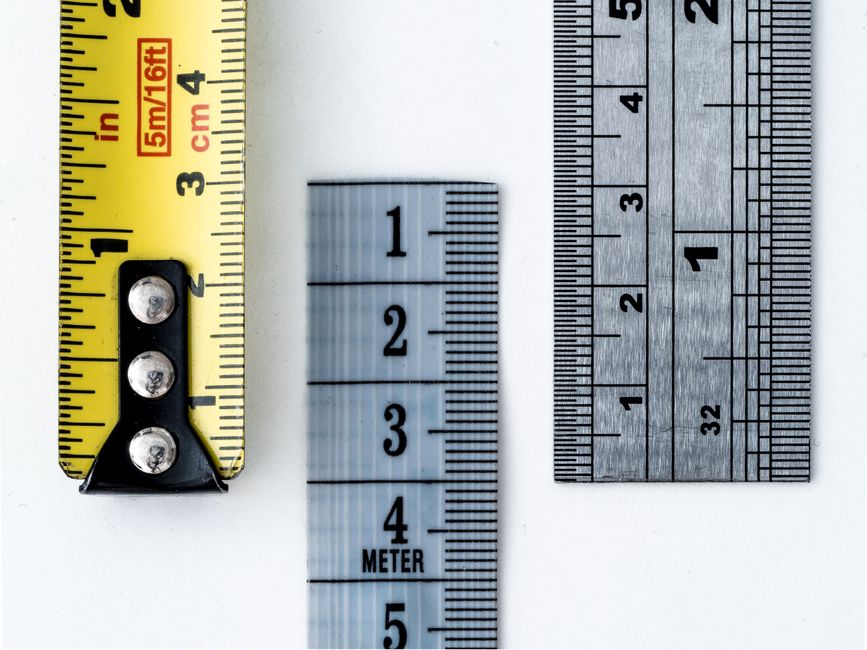
The Accords represent an industry-wide effort to answer these questions with consistency. By establishing common ground on definitions and measurement, the initiative aims to make podcasting more transparent and comparable across different distribution channels. This matters not just for industry statistics, but for creators trying to understand their audience and for advertisers making decisions about where to invest.
The release represents collaboration across major players in the podcasting ecosystem, though the specifics of who contributed and how the standards will be implemented remain to be detailed in the full documentation.
Why measurement matters for creators
For podcasters, especially those building a show as part of their livelihood or mission, measurement has always been a murky area. One platform might count a download differently than another. Listener numbers can vary wildly depending on how they're calculated. This inconsistency makes it harder to know what success looks like, or to demonstrate value to potential sponsors or partners.
A unified measurement standard could level the playing field. It means a show on one platform can be more fairly compared to a show on another. It means growth can be tracked more accurately. And it means creators can make better informed decisions about where to distribute their work and how to reach their audience.

*Photo: AS Photography · Pexels*
For independent podcasters in particular, clearer measurement could reduce some of the anxiety that comes with trying to build an audience in an opaque landscape. When you can't tell if your numbers are real or how they stack up, it's easy to feel lost or discouraged. Standards won't solve every challenge, but they bring a degree of clarity that's been missing.
The bigger picture for podcasting
This development sits within a broader maturation of podcasting as a medium. As the industry has grown, so has the need for professional standards that allow it to function more like established media industries. Advertisers want reliable metrics. Platforms want fair comparisons. Creators want to understand their impact.
The AMP Accords suggest that podcasting is moving past its wild west phase into something more structured, without necessarily losing the creative freedom and accessibility that made it special in the first place. A common measurement language doesn't dictate what shows get made or who gets to make them. It simply provides a clearer picture of what's happening.
There will likely be questions and adjustments as the industry adopts these standards. Not everyone will agree with every definition or metric. But the existence of the Accords represents a willingness among industry players to work together toward shared understanding, which is significant in itself.
For those of us at Healthy Mind by Avik, standards like these matter because they help quality content find its audience. When measurement is clearer, it becomes easier for shows that serve specific communities, including mental wellness podcasts, to demonstrate their value and reach the people who need them most.
The release of the AMP Accords won't change podcasting overnight, but it marks a step toward a more transparent, accessible industry where creators can focus more on making meaningful work and less on decoding conflicting numbers. That's progress worth noting.
Based on reporting from podnews.net.



Comments
Loading comments…