
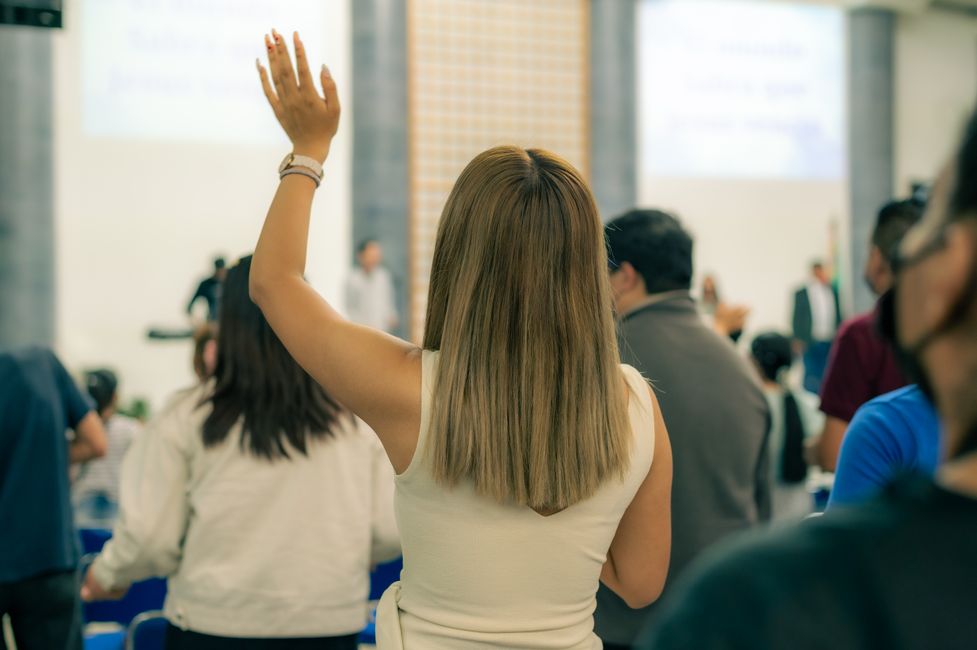
Podcast Movement has opened voting for sessions at its upcoming event, giving the podcasting community a direct say in who takes the stage and what topics get covered. It's a moment that turns attendees from passive participants into active curators of their own conference experience.
The voting process is live now, inviting anyone interested in the event to weigh in on the sessions they'd most like to see. This approach reflects a broader trend in the podcasting world toward collaboration and community input, rather than purely top-down programming decisions.
Why community voting matters
Conference programming has traditionally been the domain of organisers and selection committees. They review proposals, assess speaker credentials, and build a schedule based on what they believe will serve attendees best. That model has its strengths, but it can also feel disconnected from what people on the ground actually want to learn about.
By opening up the voting process, Podcast Movement is acknowledging that the people who show up to these events often have the clearest sense of where the industry's knowledge gaps are. They know what challenges they're facing in their own work, what skills they need to develop, and which conversations feel most urgent right now.
This kind of participatory approach also builds investment. When you've had a hand in shaping the agenda, you're more likely to show up engaged and ready to contribute. It transforms the conference from something that happens to you into something you help create.
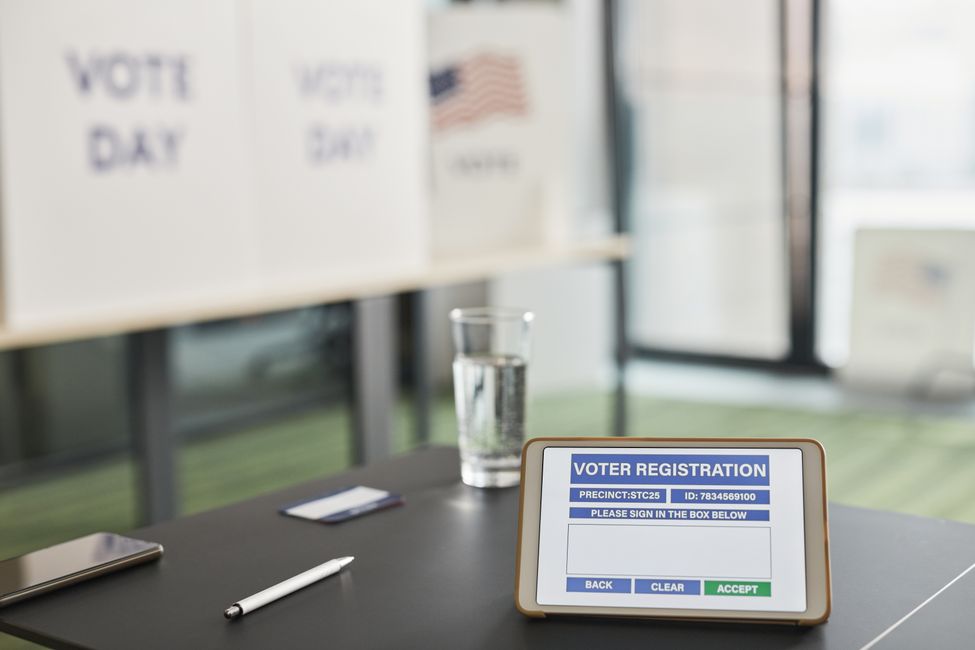
*Photo: Edmond Dantès · Pexels*
What this means for speakers and topics
For speakers, community voting adds an interesting layer of accountability. It's not enough to have impressive credentials or a polished proposal. You need to offer something that resonates with the people who will actually be in the room. That can push presenters to think more carefully about relevance and real-world application.
It also opens the door for newer voices. Someone without a big name or a large following can still win a slot if their topic strikes a chord. That's healthy for the industry, which benefits from fresh perspectives and diverse experiences.
The topics that rise to the top through voting often reflect the current mood and concerns of the community. In recent years, podcasting has grappled with questions around monetisation, discoverability, AI tools, and how to build sustainable shows without burning out. Community voting can surface which of these issues feel most pressing right now, giving organisers a real-time pulse check on where podcasters need support.
The bigger picture for industry events
This move by Podcast Movement sits within a larger conversation about what conferences should be and who they should serve. The podcasting industry is still relatively young and evolving quickly. Events that can stay nimble and responsive to community needs tend to stand out.
Voting doesn't mean organisers step back entirely. They still play a crucial role in curating, balancing the schedule, and ensuring a range of perspectives. But by inviting input, they're acknowledging that no single group has all the answers about what the community needs.
It's also worth noting that this kind of engagement can help events feel more inclusive. When people see that their voice matters in the selection process, it can encourage broader participation, including from those who might otherwise feel like conferences aren't built with them in mind.
*Photo: Pavel Danilyuk · Pexels*
For anyone building a podcast or working in the industry, this is a chance to help shape the conversations that will define the year ahead. The sessions that get chosen will influence what knowledge gets shared, what connections get made, and what ideas get amplified.
Voting is open now, and you can find more details through Podnews, which first reported the story.
Whether you're planning to attend Podcast Movement or simply care about where the industry is headed, this is a moment to make your voice heard. The podcasting community has always thrived on collaboration and shared learning. Opening up session voting is another step in that direction, reminding us that the best events are built together, not handed down from above.
Based on reporting from podnews.net.



Comments
Loading comments…