

The Interactive Advertising Bureau is preparing to release version 2.3 of its podcast measurement guidelines, a technical update that might sound dry but carries real weight for anyone making or advertising on podcasts. These guidelines shape how the industry counts downloads, measures audiences, and ultimately values the work creators put into their shows.
The timing is deliberate. This update arrives just before the release of what's known as the AMP document, another piece of industry infrastructure that podcast professionals keep an eye on. Together, these standards help create a common language for measuring success in a medium that still feels young compared to radio or television.
What measurement guidelines actually do
For those outside the advertising world, measurement guidelines might seem like background noise. But they matter because they determine what counts as a listener, how shows prove their reach, and how advertisers decide where to spend their budgets. Without agreed standards, every platform could count things differently, making it nearly impossible to compare one show to another or to trust the numbers at all.
The IAB's guidelines have become the industry standard over time, adopted by hosting platforms, advertisers, and networks alike. When they update, it's usually to address new technology, close loopholes, or clarify grey areas that have emerged as podcasting evolves. Version 2.3 suggests the changes are incremental rather than revolutionary, but even small adjustments can ripple through how thousands of shows understand their audiences.

*Photo: Jakub Zerdzicki · Pexels*
Why standards matter for independent creators
For independent podcasters, these guidelines might feel distant from the actual work of recording, editing, and publishing episodes. But they shape the ecosystem everyone operates within. When measurement becomes more standardised, it becomes easier for smaller shows to prove their value to potential sponsors. It levels the playing field, at least a little, between a solo creator and a network-backed production.
Advertisers want consistency. They want to know that a download on one platform means roughly the same thing as a download on another. When the rules are clear and widely adopted, it builds trust in the medium as a whole. That trust translates into more advertising dollars flowing into podcasting, which can mean more opportunities for creators who rely on sponsorships to sustain their work.
The challenge, of course, is that podcasting remains a beautifully messy medium. People listen on countless apps, download episodes to save for later, or stream them live. They might listen to five minutes or fifty. Measurement tries to capture all that human behaviour and turn it into something countable, which is never a perfect science.
The bigger picture for podcast infrastructure
This update also points to something broader: podcasting is maturing. The release of updated guidelines, the coordination with documents like AMP, the ongoing conversations about what counts and what doesn't, all of this reflects an industry working to professionalise without losing what makes it special.
For listeners, these changes are mostly invisible. You download or stream a show, you listen, you move on with your day. But behind the scenes, those actions are being counted, categorised, and analysed in ways that help determine which shows get renewed, which creators can afford to keep going, and which ideas get a chance to find their audience.
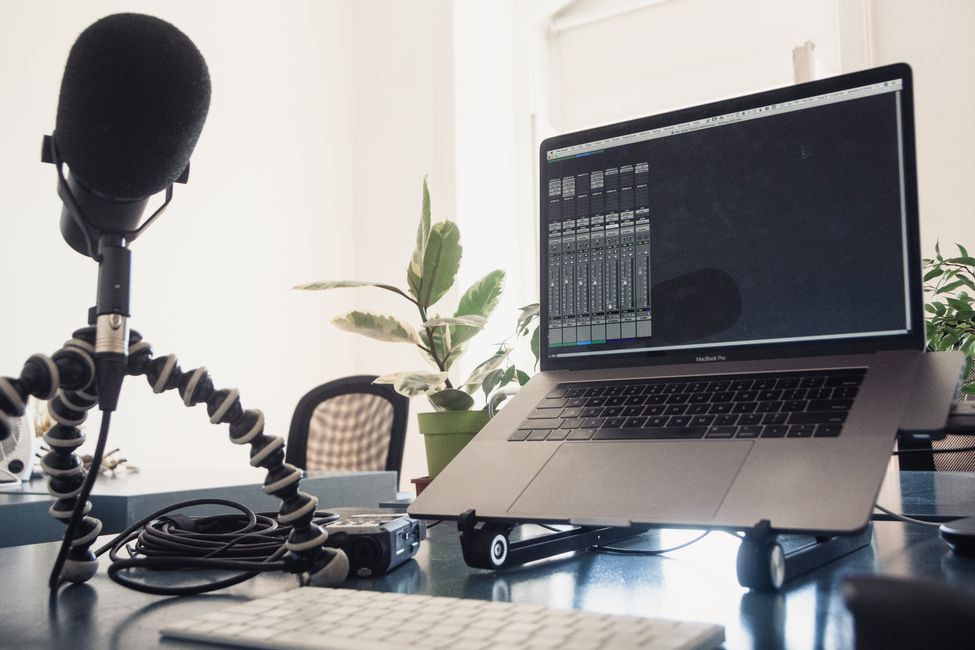
*Photo: Jeremy Enns · Pexels*
For creators at Healthy Mind by Avik and others making work that centres on mental wellness, reliable measurement can mean the difference between reaching people who need what you're offering and remaining hidden in an ocean of content. It's not just about numbers for their own sake. It's about understanding whether your work is landing, who it's reaching, and how to do more of what helps.
What this means for podcasters
The release of version 2.3 is a reminder that podcasting, for all its intimacy and creativity, also operates as an industry with infrastructure that needs tending. These guidelines won't change how you record your next episode or what stories you choose to tell. But they're part of the foundation that allows podcasting to exist as a sustainable medium where people can build careers, reach audiences, and create work that matters.
As the industry continues to grow and change, these kinds of updates will keep coming. They're worth paying attention to, not because they're exciting, but because they shape the conditions under which all podcasters work. Standards might not inspire the way a great interview does, but they make space for that inspiration to find its audience.
Based on reporting from podnews.net.



Comments
Loading comments…