New research challenges outdated beliefs about autistic communication
A study finds autistic people communicate just as effectively as others, pushing back on long-held stereotypes about connection.

For years, the dominant narrative around autism has suggested that people on the spectrum struggle to communicate or connect with others. That view has shaped everything from clinical approaches to everyday assumptions about autistic individuals. Now, a new study is challenging that stereotype head-on, with findings that suggest autistic and non-autistic people communicate with equal effectiveness.
The research offers a meaningful counter-narrative to outdated beliefs, one that could shift how we understand neurodiversity and human connection.
What the research found
According to the study, there is no significant difference in how effectively autistic people and non-autistic people communicate with one another. The findings appear in ScienceDaily, though the original research details were not fully outlined in the summary available.
What stands out is the clarity of the conclusion. The research does not suggest autistic people communicate in a different style, or that they need extra support to be understood. It states plainly that effectiveness is comparable. That challenges a deeply embedded assumption in both public perception and some professional settings: that autistic communication is inherently less successful or more difficult.
The stereotype being questioned is not a small one. It has influenced educational models, workplace accommodations, social expectations, and even how autistic people see themselves. When society assumes a deficit, it becomes easy to overlook strengths or to misinterpret difference as difficulty.

*Photo: RDNE Stock project · Pexels*
Why the old narrative persists
Part of the reason the deficit model has stuck around is that autistic communication can look different. Some autistic people may speak in patterns that feel unfamiliar to non-autistic listeners. Eye contact norms might differ. Social cues might be interpreted or expressed in ways that don't align with mainstream expectations.
But different does not mean ineffective. The study's findings suggest that when we measure actual communication success, rather than conformity to a particular style, the gap disappears.
This distinction matters. For too long, the responsibility for communication breakdowns has been placed on autistic individuals. The implication has been that they need to change, adapt, or be trained to communicate more like neurotypical people. What this research hints at is a more mutual reality: communication works best when both sides are open, patient, and willing to meet each other halfway.
It also raises questions about whose standards we use to judge effective communication. If the measure is connection, understanding, and the exchange of meaning, then style becomes secondary. And if autistic people are communicating just as effectively as anyone else, then perhaps the issue has never been their ability. Perhaps it has been our willingness to listen differently.
What this means for connection and belonging
The implications reach beyond academic debate. For autistic people navigating workplaces, friendships, families, and creative communities, being seen as equally capable communicators can be transformative. It shifts the frame from remediation to respect.
In podcasting and media, where voice and connection are everything, this research is a reminder that there is no single right way to tell a story or hold a conversation. Autistic creators bring perspective, nuance, and authenticity. Their communication style is not a limitation. It is part of the richness of human expression.
For listeners and colleagues, the study is an invitation to examine assumptions. When we find ourselves thinking someone is hard to understand, it is worth asking whether the issue is truly clarity, or simply unfamiliarity. Are we listening with curiosity, or with a checklist of what communication is supposed to sound like?
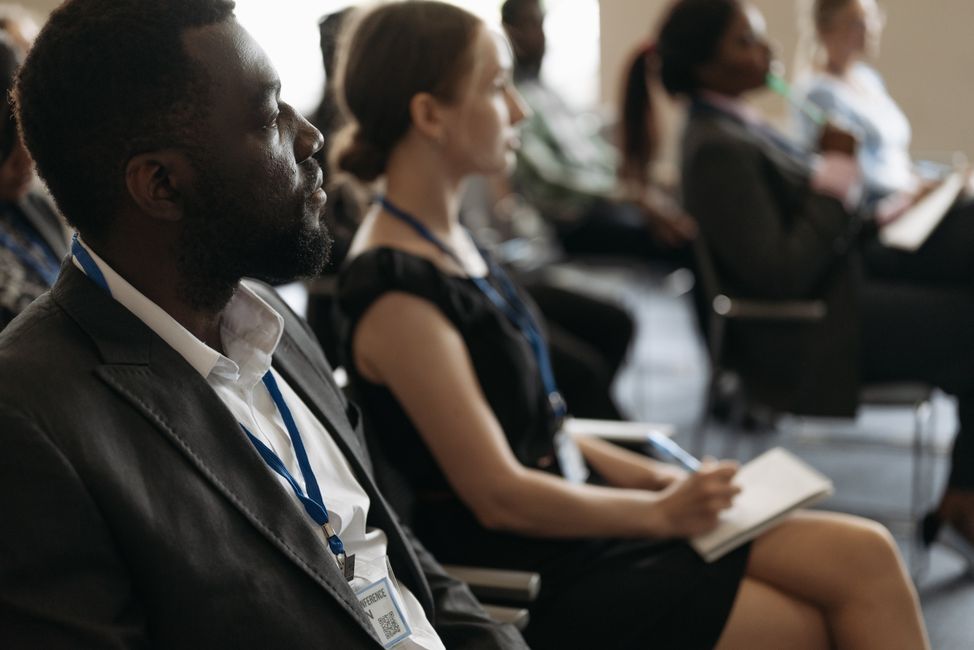
*Photo: Pavel Danilyuk · Pexels*
A shift worth making
This research does not erase the real challenges some autistic people face. Sensory overload, anxiety in social settings, and navigating a world built around neurotypical norms are all real. But those challenges are not the same as an inability to communicate. Conflating the two has done harm.
What the study offers is evidence for something many autistic advocates have been saying for years: they do not need fixing. They need to be heard, believed, and met with the same openness we extend to anyone else.
For those of us building platforms centered on mental wellness and human connection, that is a vital message. It asks us to widen our understanding of what good communication looks like. It reminds us that connection is not about sameness. It is about presence, respect, and the willingness to truly listen.
As podcasters, creators, and people trying to build more compassionate spaces, we have a role to play in shifting these narratives. We can amplify autistic voices. We can question our own biases. And we can recognize that when communication feels hard, the answer is rarely for one person to change who they are. More often, it is for all of us to get better at understanding each other.
This research is a small but significant step in that direction. It is a reminder that connection is possible across all kinds of difference, and that effectiveness is not the same as conformity. In a world that often rewards fitting in, that is a truth worth holding onto.
Based on reporting from sciencedaily.com.



Comments
Loading comments…