Muscle support without the gym: new research on creatine's unexpected effects
A recent study suggests creatine may help preserve muscle as we age, even when we're not following a regular exercise routine.
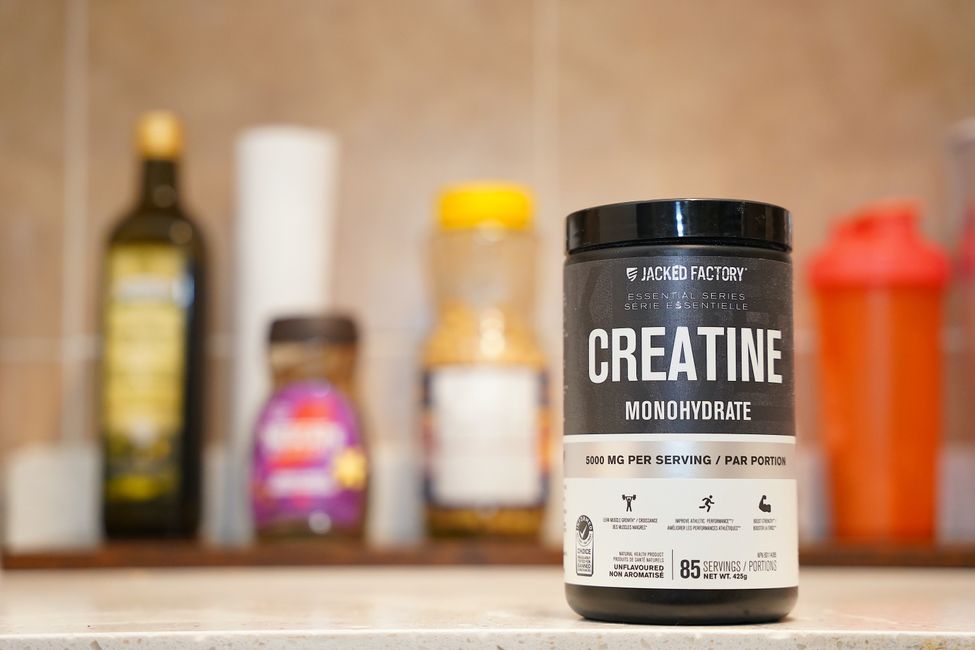
For years, creatine has been a staple in the cupboards of serious athletes and bodybuilders. Now, researchers are finding that this well-known supplement might offer benefits to a much wider group of people, including those who aren't hitting the weights regularly or at all.
A new twelve-week study involving middle-aged adults has found that creatine supplementation helped participants gain muscle and strength even when they weren't following a structured workout programme. The findings add to a growing body of evidence that creatine could play a role in helping people maintain muscle mass as they age, a concern that affects nearly everyone as the years accumulate.
What the research found
The study tracked middle-aged adults over three months, looking at what happened when they took creatine supplements. Notably, participants who took creatine saw gains in both muscle mass and strength, despite not being enrolled in any formal exercise plan. It's a finding that challenges the conventional wisdom that creatine only works in tandem with intense physical training.
The results were even more pronounced when creatine was combined with exercise and a calorie-reduced diet. In that scenario, participants experienced greater strength gains while also adding lean tissue and losing fat. The researchers describe these outcomes as strengthening the case for creatine as a practical tool for muscle maintenance, particularly as people move through middle age and beyond.

*Photo: Ketut Subiyanto · Pexels*
Why muscle matters as we age
The question of muscle preservation isn't just about aesthetics or athletic performance. Muscle mass naturally declines with age, a process that can begin as early as our thirties. This gradual loss, sometimes called sarcopenia, affects balance, mobility, and overall quality of life. It can make everyday tasks more difficult and increase the risk of falls and injury.
For many people, the idea of maintaining muscle health feels tied to gym memberships, personal trainers, and hours of commitment they simply don't have. Life gets busy. Work, family, and other responsibilities often take precedence. The prospect of a supplement that might support muscle health without requiring a complete lifestyle overhaul is, understandably, appealing.
That said, the study doesn't suggest creatine is a substitute for movement or healthy eating. Rather, it hints that creatine might provide a foundation of support, one that becomes even more effective when paired with other positive choices like staying active and eating well.
Understanding creatine beyond the hype
Creatine is a compound that occurs naturally in small amounts in certain foods, particularly meat and fish, and is also produced by the body. It plays a role in energy production within cells, especially during short bursts of high-intensity activity. That's why it's been popular among athletes for decades.
What this new research suggests is that creatine's benefits might extend beyond peak athletic performance. For middle-aged adults who are simply trying to stay healthy and functional, creatine could offer a way to support the body's natural processes, helping to counteract some of the muscle loss that comes with ageing.




Comments
Loading comments…