
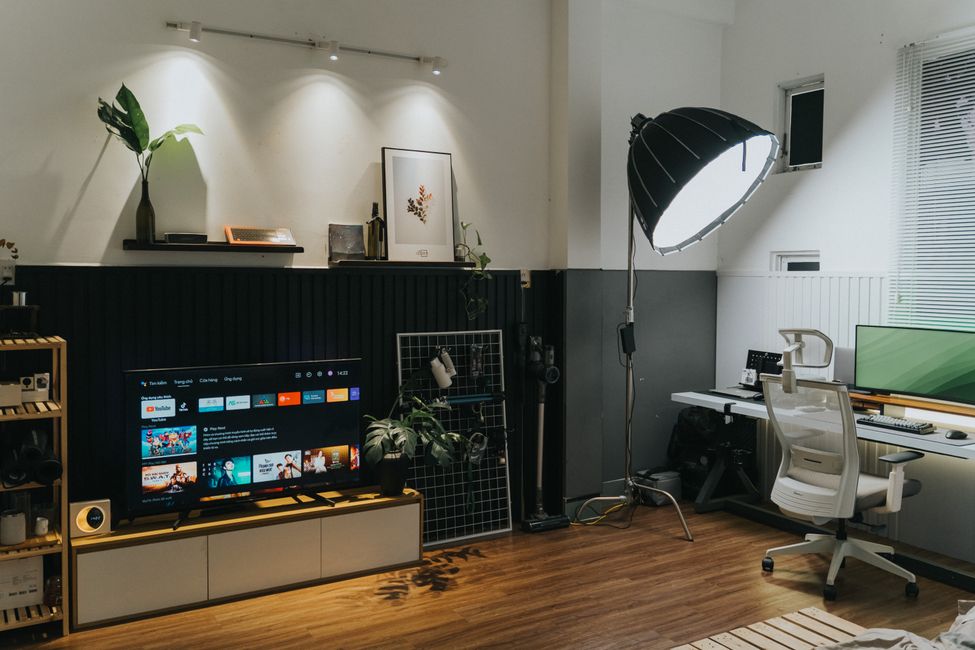
The way people listen to podcasts is changing in a way that might surprise you. New data shows that thirteen percent of podcast listeners now say the television is where they consume podcasts most often. It's a small but growing slice of the audience, and it points to something worth paying attention to: podcasts are no longer just an earbuds experience.
For years, podcasts have been the companion to commutes, walks, and household chores. They've been intimate, personal, and portable. But as smart TVs become more sophisticated and streaming devices more common, audio content is finding a new home in the living room. The shift suggests that some listeners are treating podcasts less like radio and more like another form of television programming.
What This Means for How We Listen
This trend isn't happening in isolation. It reflects broader changes in how we consume media at home. Many smart TVs now come with podcast apps built in, and devices like Roku, Apple TV, and Amazon Fire TV have made it easier to access audio content on the big screen. For some households, the television has become a central hub for all entertainment, not just video.
There's also something about the living room experience that changes the dynamic. Listening to a podcast on a TV might mean it becomes a shared activity rather than a solo one. Families or housemates might gather around for a true crime series or a comedy show in the same way they would for a Netflix series. The format starts to blur.

*Photo: RDNE Stock project · Pexels*
For podcasters, this shift opens up new questions about how content is designed. A show meant to be heard while driving or doing dishes might land differently when it's playing through a soundbar while someone sits on the couch. Visual elements, like cover art or even video versions of podcasts, might become more important. The context of listening matters, and the context is changing.
A Challenge for Apple Podcasts
The headline poses an interesting question: could this be a problem for Apple Podcasts? Apple has long been the dominant player in podcast distribution, but its strength has been tied to the iPhone and the ecosystem of Apple devices. If more people are listening on TVs, and those TVs are running platforms like Roku, Android TV, or Amazon's ecosystem, Apple's position becomes less secure.
Apple does have Apple TV, of course, but it's a smaller player in the streaming device market compared to competitors. If the television becomes a primary way people access podcasts, the companies that control those screens gain influence. Spotify, YouTube, and other platforms with strong TV apps could benefit. The shift in where people listen might also mean a shift in who controls the listening experience.
It's worth noting that thirteen percent is still a minority. Most people are still listening on their phones or through other devices. But trends often start small. The question is whether this is a temporary curiosity or the beginning of a longer transformation in podcast consumption.
Why This Matters
For creators and mental wellness platforms like ours, understanding where and how people listen helps shape how we think about our work. If someone is listening to a guided meditation or a conversation about grief on a television, they might be in a different headspace than if they were listening alone with headphones. The environment changes the experience.
*Photo: https://kaboompics.com/ · Pexels*
This shift also reminds us that technology is always reshaping the rituals of how we connect with content. What feels natural and obvious today, listening on a phone while walking, was itself a shift from earlier habits. The living room might become the next frontier, and with it, new opportunities for connection and community.
For podcasters, it's a moment to stay curious. How might your show work in a living room setting? Would it benefit from visual elements, or does it thrive in intimacy? Are there ways to design content that works across contexts, from the quiet of headphones to the communal space of a television?
The thirteen percent figure is just a snapshot, but it's a reminder that the podcast world is still evolving. Where people listen shapes what they listen to, and what they listen to shapes who they become. As the medium grows, staying attentive to these shifts helps us serve listeners wherever they are.
Based on reporting from podnews.net.



Comments
Loading comments…