How the Words We Know Shape What We Remember Seeing
New research shows our memory for familiar objects depends on the brain linking what we see with the language we use to describe it.
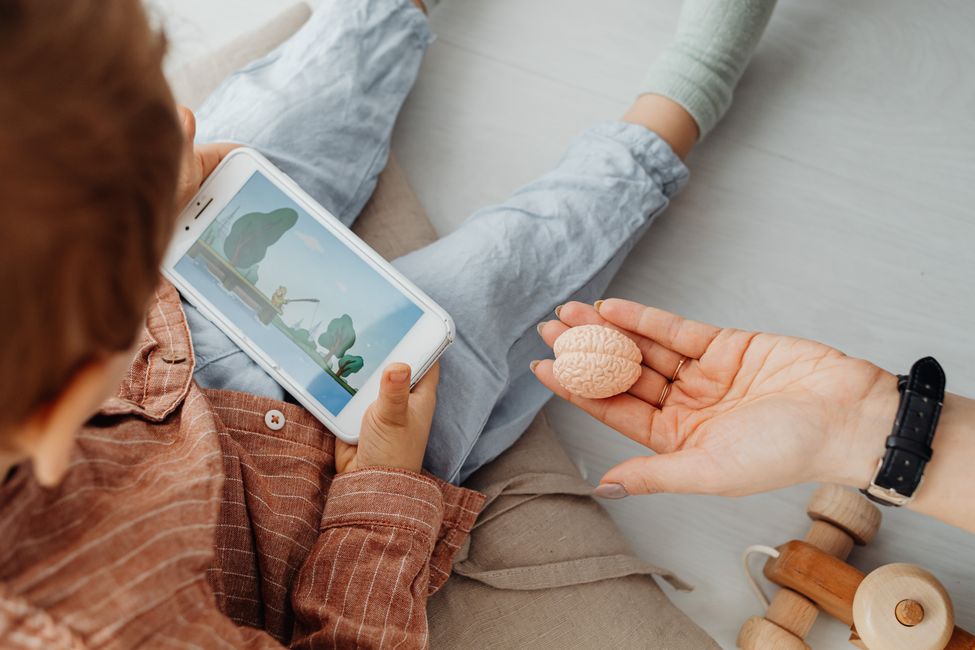
When you picture a coffee mug or a bicycle in your mind, you might assume you're simply replaying a visual snapshot stored somewhere in your brain. But new research suggests something more intricate is happening. The way we remember familiar objects depends on a conversation between two different parts of the brain: the regions that process what we see and the regions that handle language.
According to a recent study, our ability to store information about objects we encounter regularly isn't just a visual filing system. Instead, it relies on the connection between visual processing areas and language processing areas working together. This finding challenges older assumptions about memory being neatly compartmentalised, and it opens up fresh questions about how deeply intertwined our senses and words really are.
More Than Just Pictures in Our Heads
For a long time, scientists understood that different brain regions specialise in different tasks. Visual cortex for sight, auditory cortex for sound, language centres for words. But this new research points to something less tidy and more collaborative. When we store memories of things we've seen before, especially objects we can name and describe, our brains appear to weave together visual impressions and linguistic labels.
The study found that the connection between these two processing regions matters enormously. It's not enough to simply see something. The brain seems to anchor that visual experience with language, creating a richer, more stable memory. This might explain why it's often easier to remember things we have words for, and why describing an experience out loud can sometimes make it feel more real or more fixed in our minds.

*Photo: Nishant Das · Pexels*
What this suggests is that language isn't just a tool we use after the fact to communicate what we've experienced. It's woven into the experience itself, shaping how sensory information gets encoded and stored. The words we know influence what we notice, what we hold onto, and how we later recall the world around us.
Why This Matters for Connection and Understanding
This research has implications that stretch beyond neuroscience labs. If language actively shapes how we store sensory memories, then the words we have access to, and the words we choose, matter more than we might think. They're not just describing reality. They're helping to construct our internal version of it.
For people learning a new language, this might explain why immersion feels different from translation. When you start to think in another language, you're not just swapping labels. You're potentially reshaping how experiences get filed away in memory. It also hints at why people who speak multiple languages sometimes report that certain memories feel more vivid or more accessible in one language over another.
In relationships, this finding offers a quiet reminder of how powerful shared language can be. When two people develop their own vocabulary for experiences, inside jokes, or emotional states, they're not just being cute. They're building a shared memory architecture. The words become part of how those moments are stored and retrieved, binding people together through more than just sentiment.

*Photo: Mike Jones · Pexels*
What It Means for How We Learn and Remember
The study also raises interesting possibilities for education and mental wellness. If the link between visual and language processing strengthens memory storage, then practices that combine seeing and naming, observing and describing, might be particularly effective. Journaling with visual prompts, talking through what you notice on a walk, or even labelling emotions as they arise could all be ways of reinforcing memory and presence.
It's a reminder that our brains are deeply integrative. We don't experience the world in isolated streams of sight, sound, and language. We experience it as a blend, and memory reflects that. The more we can engage multiple systems at once, the richer and more durable our memories may become.
For podcasters and storytellers, there's something valuable here too. The power of description isn't just rhetorical. When you paint a picture with words, you're not only helping listeners imagine a scene. You're helping them store it, remember it, and maybe even feel like they were there. Language shapes the sensory imprint.
This research comes from a study detailed on ScienceDaily, and while it focuses on the mechanics of memory, it quietly underscores something we already sense: words matter. They don't just reflect our inner lives. They help build them, one stored experience at a time.
Based on reporting from sciencedaily.com.



Comments
Loading comments…