
The podcasting industry has always been about building intimate connections with listeners. Now, that relationship is extending beyond the audio file and into the physical world, as shows explore merchandise as a way to deepen audience engagement and create new revenue streams.
The phrase "you've heard the show, now buy the shoe" might sound playful, but it captures a real shift happening in podcast culture. Shows are no longer just content to be consumed; they're becoming lifestyle brands with tangible products that fans can wear, use, and display.
Why Merchandise Matters for Podcasters
For independent creators and established networks alike, merchandise represents more than just an extra income stream. It's a way to turn passive listeners into active participants in a show's community. When someone wears a shirt with a podcast logo or uses a mug branded with a favourite show's catchphrase, they're making a statement about their identity and interests.
This matters particularly in an audio-only medium. Unlike YouTube creators who can be recognised on the street, or writers whose books sit on shelves, podcasters have traditionally existed only in listeners' ears. Merchandise bridges that gap, giving fans a way to signal their membership in a community and giving shows a physical presence in the world.
The economics make sense too. While advertising remains the primary revenue source for many shows, it's also unpredictable and dependent on market conditions. Merchandise offers a direct relationship between creator and audience, with clearer margins and less dependence on third-party platforms or advertisers.
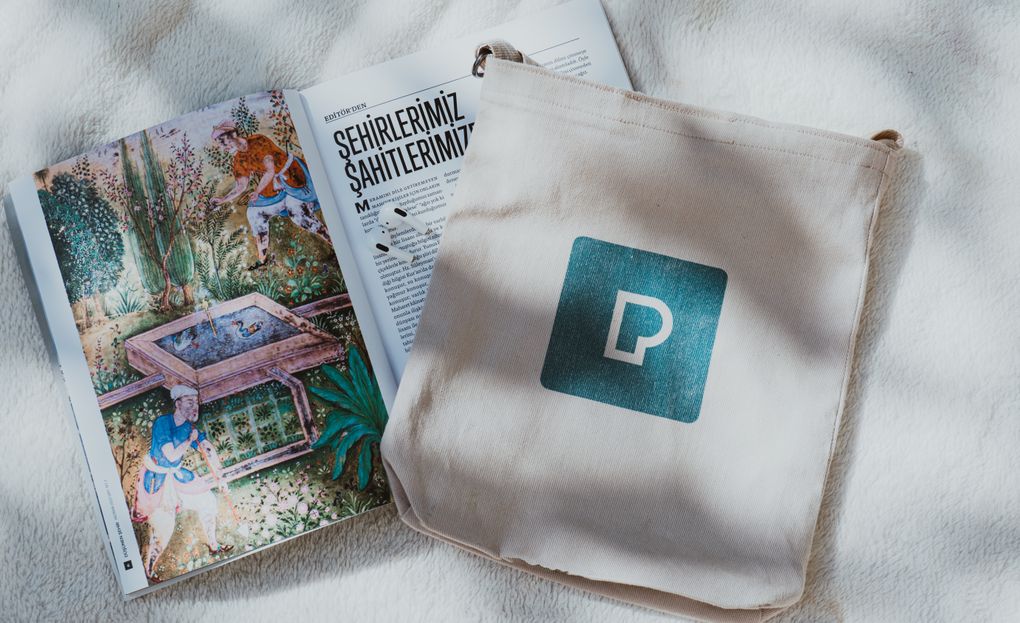
*Photo: thecactusena · Pexels*
From T-Shirts to Shoes and Beyond
What started with basic t-shirts and tote bags has evolved into something more creative and ambitious. The reference to shoes in the latest industry news suggests that podcasts are thinking bigger about what their brand can represent. This mirrors the trajectory of other digital-first creators who have successfully translated online communities into fashion lines, home goods, and lifestyle products.
The key seems to be authenticity. Merchandise works best when it feels like a natural extension of what the show is about, rather than a cash grab. A true crime podcast might offer detective-themed notebooks. A comedy show might sell items that reference inside jokes only longtime listeners would understand. A mental wellness podcast could offer journals or calming products that align with its mission.
This approach turns merchandise from a simple transaction into a form of storytelling. Each item becomes a totem that represents not just the show, but what it means to be part of its audience.
What This Means for the Industry
The growth of podcast merchandise reflects a broader maturation of the medium. Podcasting is no longer just an experimental format or a side project for radio broadcasters. It's a legitimate cultural force with dedicated audiences willing to invest not just their time, but their money.
For smaller independent podcasters, merchandise platforms have made it easier than ever to test products without major upfront investment. Print-on-demand services mean creators can offer designs without holding inventory or managing shipping logistics themselves. This democratisation means that a show doesn't need millions of downloads to experiment with building a brand beyond audio.
*Photo: cottonbro studio · Pexels*
For larger networks and established shows, merchandise becomes part of a diversified business model that can weather changes in the advertising market. It's also valuable data: what fans choose to buy reveals which aspects of a show resonate most deeply, informing content decisions and future product development.
The move into merchandise also signals something important about podcast audiences. They're not just passive consumers clicking through ads. They're engaged community members who want to support the creators they love and express their identity through the media they consume. That's the kind of audience any content creator dreams of building.
The Human Connection
At its heart, the rise of podcast merchandise is about making invisible relationships visible. Every week, millions of people have intimate conversations with voices in their ears during commutes, workouts, or quiet evenings at home. Those relationships feel personal, even when they're one-sided.
Merchandise offers a way to acknowledge that connection. It's a physical reminder that other people out there are listening to the same voices, laughing at the same jokes, or finding comfort in the same conversations. In an increasingly digital world, that tangible connection matters.
For podcasters wondering whether merchandise makes sense for their show, the opportunity is less about the products themselves and more about what they represent: a chance to deepen relationships with the people who have invited you into their lives, one episode at a time.
Based on reporting from podnews.net.



Comments
Loading comments…