
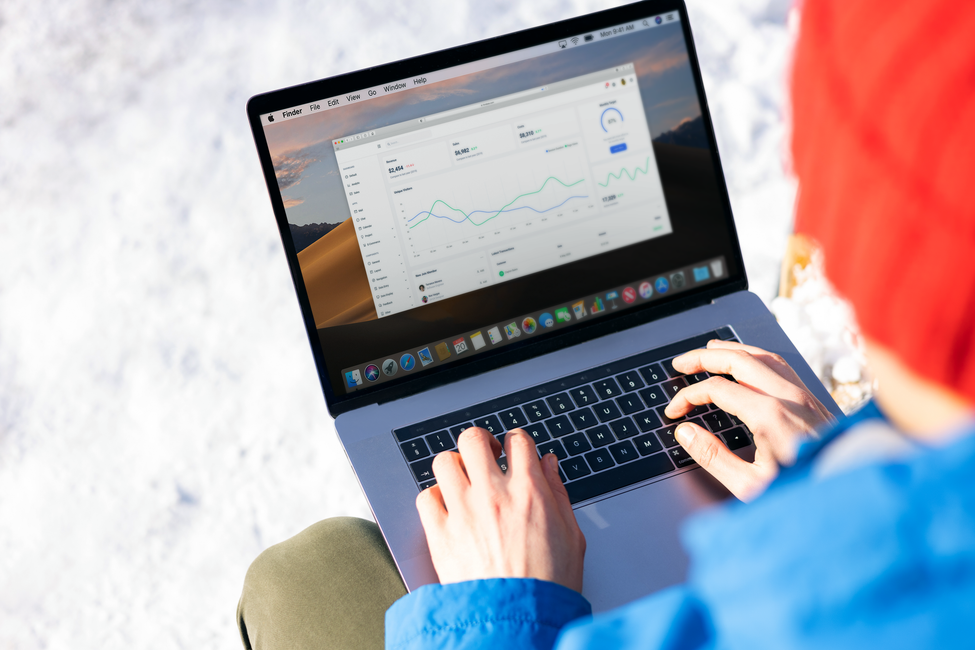
Bumper, a platform that helps podcasters measure their show's performance, has launched a free tier of its service. The move means creators who couldn't previously afford measurement tools now have access to data about how their episodes are performing.
Until now, Bumper's analytics dashboard required a paid subscription. The new free option opens those insights to anyone producing a podcast, regardless of budget or audience size.
What this means for smaller shows
Measurement has long been one of the dividing lines in podcasting. Larger shows with advertising revenue or institutional backing can pay for detailed analytics. Independent creators, especially those just starting out or running passion projects, often rely on whatever basic stats their hosting platform provides.
Those free hosting stats typically show downloads and perhaps some geographic information. But understanding deeper patterns, like where listeners drop off during an episode or which topics resonate most, usually requires paying for additional tools.
Bumper's decision to offer a free tier changes that equation. While the company hasn't detailed exactly which features are included in the free version versus paid plans, the existence of a no-cost option means more podcasters can access measurement data that might help them understand their audience.

*Photo: Jakub Zerdzicki · Pexels*
The broader shift in podcast tools
This isn't happening in isolation. The podcasting industry has seen a gradual democratisation of tools over the past few years. Editing software that once cost hundreds of dollars now has free alternatives. Hosting platforms offer free tiers with reasonable limits. Remote recording tools have free options where none existed before.
Measurement has been slower to follow that trend, partly because collecting and processing analytics data costs money to maintain. Platforms need servers, databases and infrastructure to track listens across multiple apps and devices. Offering that for free requires either outside funding or a business model where paid users subsidise free ones.
Bumper appears to be taking the latter approach, common in software: a free tier that serves most casual users, with paid tiers for those who need more features or capacity. It's the same model used by email services, cloud storage and countless other digital tools.
For podcasters, this matters because decisions made without data often rely on guesswork. You might assume your audience loves a particular segment, but measurement could show people consistently skip it. You might think episodes should be longer, when data suggests your audience prefers shorter formats. Access to that information, even in a basic form, can shape a show's direction.
Why measurement matters, and why it doesn't solve everything
Of course, data is just information. It doesn't make creative decisions for you, and obsessing over numbers can sometimes pull focus from what makes a podcast meaningful in the first place.
Some of the most interesting podcasts exist because someone had something to say, not because they optimised for retention metrics. The human voice, the willingness to explore difficult topics, the patience to let a conversation breathe—these qualities don't always show up as positive trends on a dashboard.
*Photo: Chelsey Horne · Pexels*
Still, for creators who want to grow their audience or understand whether their work is landing, measurement provides useful signals. Knowing that listeners drop off after ten minutes might prompt you to tighten your intro. Seeing that a particular episode format gets shared more often could encourage you to do more of that style. Data becomes another form of feedback, alongside reviews and listener messages.
By removing the cost barrier, Bumper makes that feedback available to more people. A podcaster interviewing mental health professionals in their spare time can now access the same type of insights as a well-funded network show. A student project can see which episodes connect. A support group recording their discussions can understand their reach.
The playing field isn't entirely level—paid tiers will still offer advantages—but it's more level than it was.
What it means for the podcasting landscape
When tools become accessible, more voices can participate. That's generally good for any medium. Podcasting has always had a relatively low barrier to entry compared to radio or television, but every barrier removed makes the space a little more open.
Whether Bumper's free tier will meaningfully change who gets heard remains to be seen. Measurement alone doesn't create opportunities or amplify marginalised voices. But it does remove one more obstacle for creators trying to understand and serve their audience.
For podcasters already using paid measurement tools, this might prompt a comparison. For those who couldn't afford any measurement, it's a new resource. And for listeners, it might eventually mean better shows, as creators learn what works and what doesn't.
The shift also signals where the podcast industry is heading: towards more accessible infrastructure, more options for independent creators, and perhaps more competition among tool providers to offer value at every price point, including free.
Based on reporting from podnews.net.



Comments
Loading comments…