Autistic people express emotion differently, not deficiently, new study finds
Research reveals emotional expressions vary between autistic and non-autistic people, pointing to mutual misunderstanding rather than deficit.
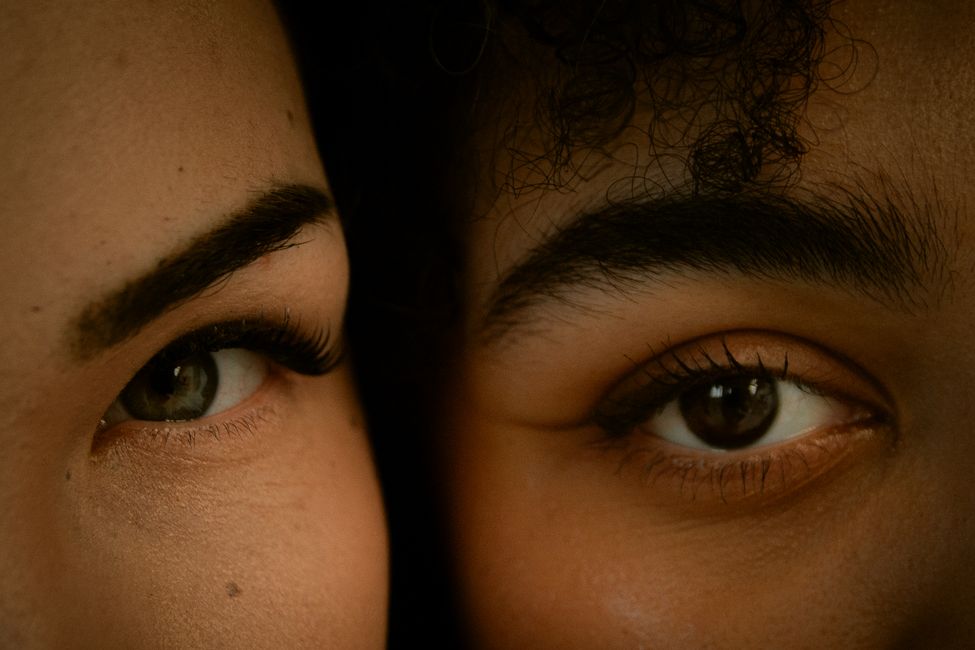
For years, the common understanding has been that autistic people struggle to express emotions in ways others can read. New research is turning that idea on its head, showing that the real issue is not a lack of emotional expression, but a difference in how emotions appear on the face.
Researchers have found that when autistic and non-autistic people express the same feelings, they move their faces in genuinely different ways. The study looked at basic emotions like happiness, sadness, and anger, and discovered that autistic participants relied on different facial features and showed more variation in how they expressed each feeling. To a non-autistic observer, these expressions can look unfamiliar or harder to interpret.
A two-way street, not a one-sided problem
What makes this research particularly meaningful is its shift in perspective. Rather than framing emotional communication challenges as something autistic people fail at, the findings suggest we are looking at a two-way misunderstanding. Non-autistic people may find autistic expressions difficult to read, but that does not mean the expressions themselves are wrong or incomplete.
The study points to a mismatch in emotional languages, if you will. When two people speak different dialects, communication becomes harder for both, not just one. The same appears true for facial expressions. Autistic people are expressing emotions fully, just through different combinations of facial movements.

*Photo: Artem Podrez · Pexels*
This has real implications for how we think about connection and empathy. If someone's face does not move the way you expect when they are sad or excited, it is easy to assume they are not feeling much at all. But this research reminds us that our assumptions are shaped by what is familiar to us, not by what is actually happening inside another person.
What the research revealed
The study did not provide exact numbers or detailed methodology in the summary, but the core finding is clear. Autistic participants showed greater variability in their emotional expressions compared to non-autistic participants. This means that while non-autistic people might express happiness in fairly similar ways to one another, autistic people might each have their own distinct way of showing the same emotion.
This variability makes it harder for non-autistic observers to recognize the emotion at a glance. But it does not mean the emotion is absent. It means the observer needs to learn a new pattern, much like learning to read someone's handwriting when it differs from what you are used to.
The reliance on different facial features is equally important. If one person expresses sadness primarily through their mouth and another through their eyes and brow, a quick glance might miss the cue entirely. Neither expression is more valid than the other, but one may be more recognizable depending on who is watching.



Comments
Loading comments…