
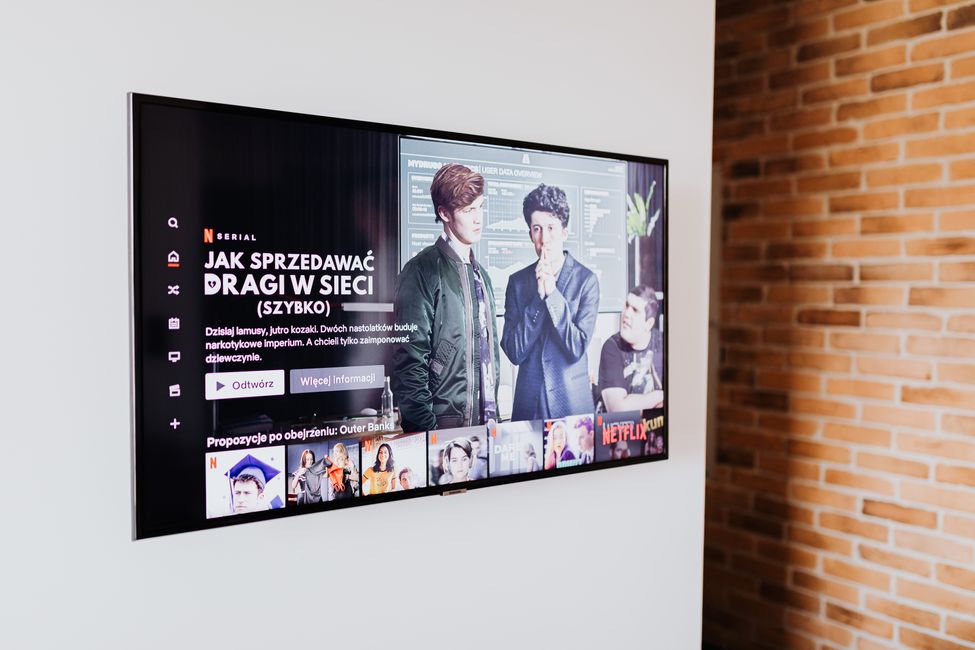
Apple is quietly expanding where people can watch podcast video, with plans to bring the format to television screens and Mac computers later in 2025. The move marks a shift in how the tech giant thinks about podcasting, acknowledging that video content deserves more than just a mobile phone screen.
The announcement was brief but significant: Apple Podcasts video will arrive on tvOS and macOS sometime in the coming months. While the company hasn't shared exact timing or specific features, the expansion suggests they're responding to how podcasting itself has changed over the past few years.
Video podcasting finds its footing
For a long time, podcasting meant audio. You'd listen while walking, driving, or doing the dishes. The screen didn't matter because there was nothing to see. But that's shifted dramatically. More creators are filming their conversations, and audiences seem to want the option to watch faces, body language, and the occasional guest who brings props or demonstrates something visual.
Apple introduced video support to its Podcasts app on iPhones and iPads not long ago, joining platforms like Spotify and YouTube that had already embraced the format. But keeping video confined to handheld devices felt like an incomplete vision. People consume video content on their televisions and computers all the time. It's where they watch everything else. Podcasts, apparently, will be no different.
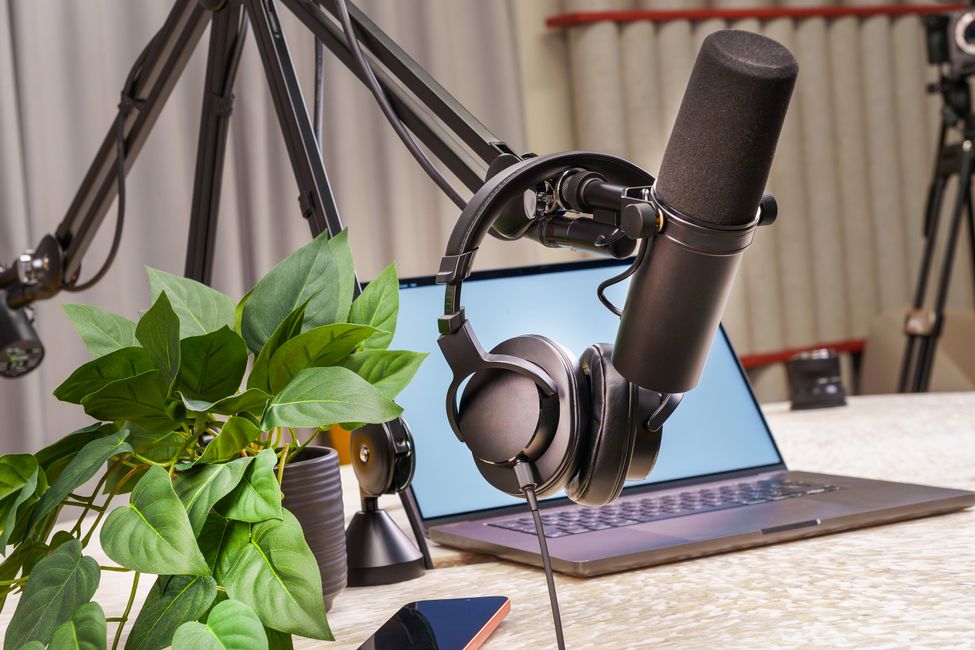
*Photo: Jakub Zerdzicki · Pexels*
What this means for the listening experience
Bringing podcast video to tvOS means anyone with an Apple TV device will eventually be able to pull up their favourite shows on the biggest screen in their home. It's a natural fit for long-form conversations, interviews, and the kind of content people already settle in to watch on their couches.
The macOS addition matters too, especially for people who spend their days at computers. Students, remote workers, and anyone who likes background company while they work could keep a podcast playing in a window or on a second monitor. It's the same behaviour people already have with YouTube videos or streaming services, now extended to podcast content.
Neither feature has been detailed yet, so we don't know exactly how the interface will work or whether there will be special controls for podcast video on these larger screens. But the core idea is straightforward: meet people where they already are, on the devices they already use.
A format still finding its shape
Video podcasting remains something of an experiment across the industry. Some shows thrive with it, while others feel forced or awkward on camera. The best video podcasts tend to be ones where seeing the speakers actually adds something, whether that's chemistry between hosts, emotional moments in interviews, or visual elements that enhance the story being told.
For mental wellness content specifically, video can create a sense of connection that pure audio sometimes misses. Seeing someone's face as they talk about difficult experiences or share moments of insight can make the conversation feel more intimate and human. But it can also be exhausting to watch, and many people still prefer the simplicity of just listening while they move through their day.

*Photo: Marko Klaric · Pexels*
Apple's expansion to TV and Mac screens gives creators more options and audiences more choice about how they engage. Someone might listen to a podcast on their morning walk, then come home and finish watching the same episode on their television that evening. The format becomes more flexible, less confined to a single device or moment in the day.
The timing is interesting too. As video podcasting matures, platforms are competing to offer the best experience. Spotify has invested heavily in video. YouTube remains a dominant force for podcast discovery and viewing. Apple, with its ecosystem of devices, has a unique advantage if it can make the experience seamless across phones, tablets, computers, and televisions.
Why it matters
For podcasters, especially those creating mental wellness content, this expansion opens up new ways for their work to reach people. A conversation about anxiety, grief, or finding meaning might land differently when someone can settle into their sofa and really watch, rather than glancing at a small screen between other tasks.
For listeners, it's about having more control over how they experience the content they care about. Sometimes you want to just listen. Sometimes you want to see. And sometimes the screen size matters for how present you can be with what's being shared.
Apple hasn't revolutionised anything here. They're simply catching up to where the medium is already heading. But in doing so, they're acknowledging something important: podcasting is no longer just one thing. It's audio and video, background and foreground, phone and television. The best platforms will be the ones that let people choose what works for them in any given moment.
Based on reporting from podnews.net.



Comments
Loading comments…