
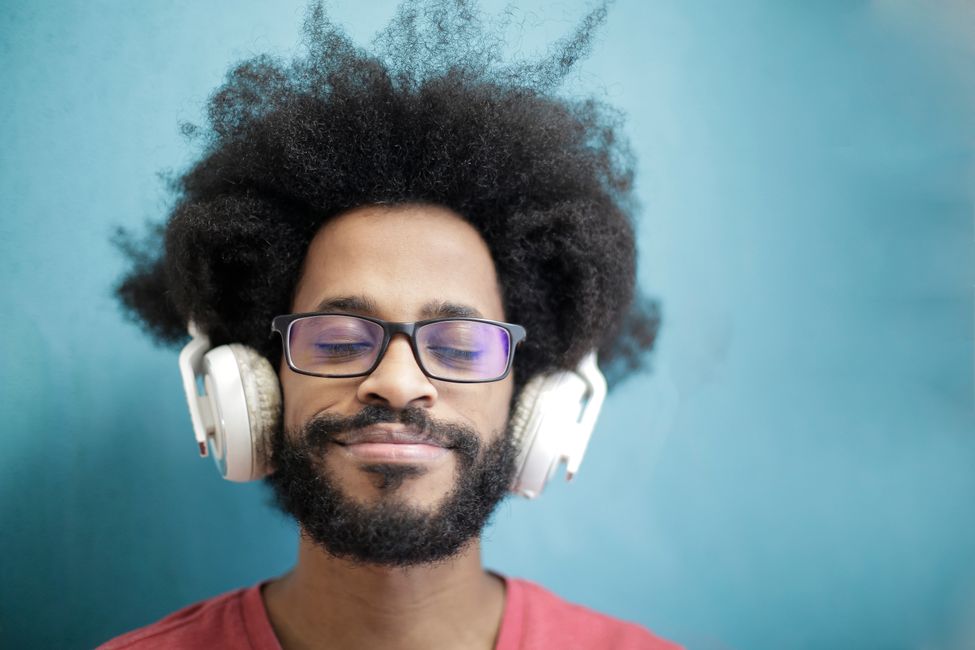
Podcasts have quietly become a major part of how Americans spend their time. New figures show that people across the country are now listening to podcasts for a combined 812 million hours every single week.
That number is worth sitting with for a moment. Eight hundred and twelve million hours. It represents a massive shift in how we consume stories, information, and companionship through audio. Whether it's during morning commutes, evening walks, or while doing household chores, podcasts have woven themselves into the fabric of daily life.
What the numbers tell us
The weekly listening figure reflects not just the popularity of podcasting as a medium, but something deeper about what people are looking for. In a world that often feels fragmented and overwhelming, podcasts offer something intimate and direct. A voice in your ear. A conversation that feels like it's meant for you, even when thousands or millions of others are listening too.
This kind of sustained engagement suggests that podcasts are filling a genuine need. They're not just background noise or casual entertainment. People are choosing to spend significant portions of their week with podcast hosts, learning from experts, following true crime mysteries, laughing along with comedians, or finding comfort in shows about mental health and personal growth.
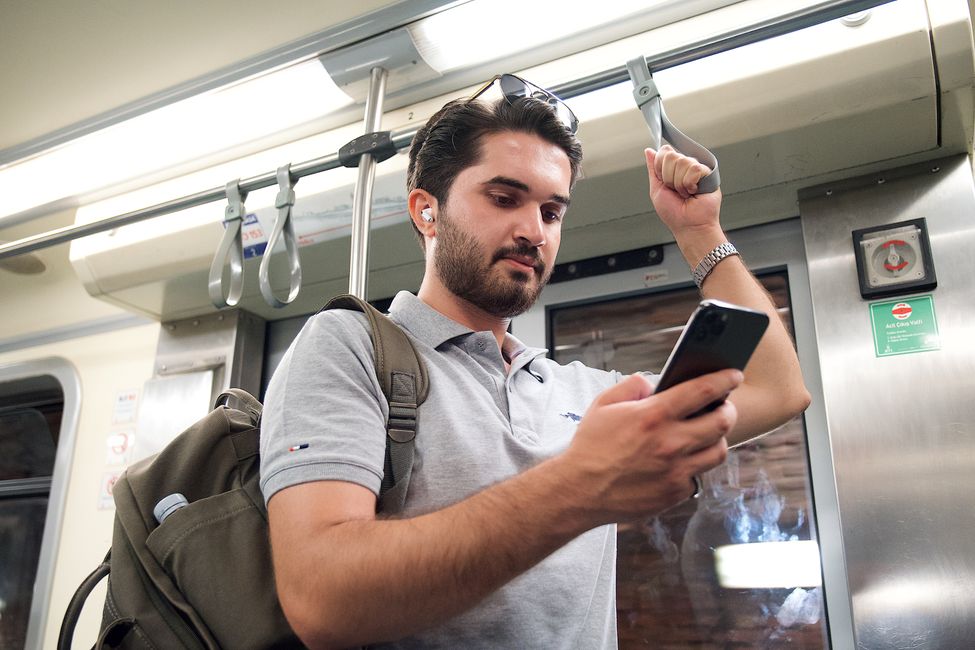
*Photo: iam hogir · Pexels*
The rise in listening hours also points to how the medium has matured. What started as a niche hobby for tech enthusiasts has become mainstream. There are now podcasts for virtually every interest, every question, every mood. The barrier to entry is low, both for creators and listeners, which has allowed diverse voices to find audiences they might never have reached through traditional media.
Why people keep coming back
Part of what makes podcasts so compelling is their flexibility. Unlike video content that demands your eyes and often your full attention, podcasts fit into the spaces between other activities. You can listen while exercising, cooking, cleaning, driving, or simply lying in bed. They turn mundane tasks into opportunities for learning or entertainment.
But there's more to it than convenience. Podcasts create a sense of intimacy that's hard to replicate in other formats. Regular listeners often describe feeling like they know the hosts personally. This parasocial connection can be surprisingly meaningful, especially for people who might feel isolated or disconnected in their daily lives.
For mental wellness in particular, podcasts have become a valuable resource. Shows that explore anxiety, depression, relationships, and personal growth offer listeners a way to feel less alone with their struggles. Hearing others talk openly about challenges normalises experiences that might otherwise feel shameful or isolating. It's not therapy, but it can be a gentle companion on the journey toward better mental health.
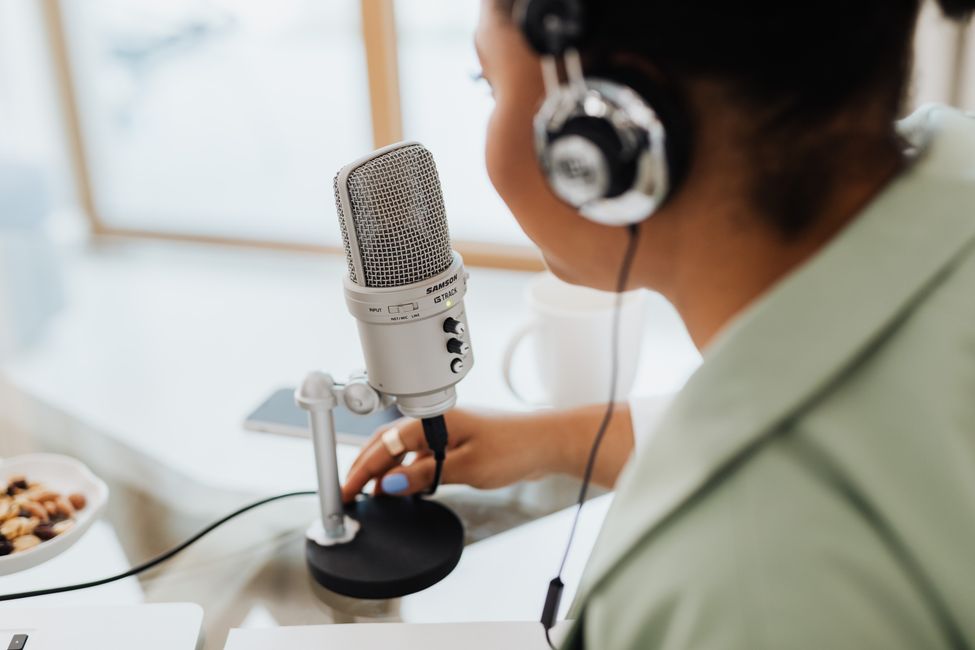
*Photo: www.kaboompics.com · Pexels*
The weekly listening total also reflects how podcasts have become part of people's self-care routines. Many listeners have shows they turn to for comfort, the audio equivalent of a warm blanket. Others use podcasts as tools for personal development, setting aside time each week to learn something new or gain fresh perspectives.
What it means for the medium
These numbers arrive at an interesting moment for podcasting. The industry has seen significant investment, consolidation, and competition in recent years. Major platforms are vying for exclusive content and listener attention. Advertisers are paying closer attention to where those 812 million hours are being spent.
For independent podcasters and smaller networks like ours at Healthy Mind by Avik, the growing audience is encouraging. It means there's room for thoughtful, purpose-driven content that serves specific communities. You don't need millions of listeners to make a meaningful impact. Sometimes a few thousand people spending an hour with your show each week can create real change.
The challenge, as always, is cutting through the noise. With so many podcasts available, quality and authenticity matter more than ever. Listeners can sense when something is made with care versus when it's chasing trends or trying too hard. The shows that succeed tend to be the ones that know exactly who they're speaking to and why.
At its heart, this milestone about listening hours is really about connection. People are choosing to spend significant time with voices that inform them, challenge them, comfort them, or simply keep them company. In an age where genuine human connection can feel scarce, that's no small thing.
For anyone creating podcasts, these numbers are a reminder that the work matters. Every episode released adds to a growing library of human stories and shared knowledge. And for listeners, it's validation that the time spent with headphones on isn't wasted. It's part of how we learn, grow, and stay connected to the wider world.
Based on reporting from podnews.net.



Comments
Loading comments…