
The podcast advertising landscape just shifted in a significant way. Amazon's demand-side platform now allows advertisers to buy ad spots within Spotify podcasts, marking a notable partnership between two major players in the digital audio space.
This development means brands working through Amazon's advertising tools can now access Spotify's podcast audience without going directly through Spotify's own ad systems. For podcasters whose shows are distributed on Spotify, this could mean more advertisers competing for space in their episodes, potentially driving up rates and filling inventory more efficiently.
What this partnership means
The collaboration between Amazon DSP and Spotify represents a practical shift in how podcast advertising gets bought and sold. Demand-side platforms like Amazon's act as intermediaries, allowing advertisers to purchase ad space across multiple platforms from a single dashboard. Until now, Spotify's podcast inventory has been largely walled off, available primarily through Spotify's own advertising channels.
By opening up to Amazon DSP, Spotify is essentially expanding the pool of potential advertisers who can reach its podcast listeners. Brands already comfortable using Amazon's advertising tools, which span display ads, video, and audio across the web, can now add Spotify podcasts to their media mix without learning a new system or working with a separate vendor.
For the podcasting industry, this signals a maturation of sorts. As podcast advertising becomes more sophisticated and integrated with broader digital marketing strategies, these kinds of partnerships help normalise podcast ads as just another channel in the media buying process, rather than a specialised niche requiring separate expertise.

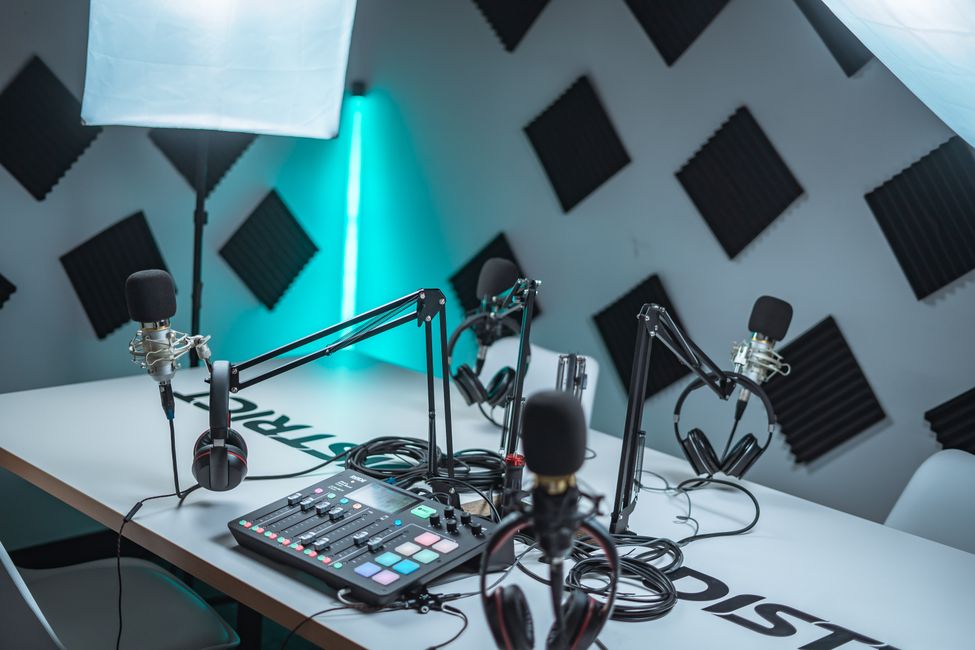
*Photo: Harvey Tan Villarino · Pexels*
The bigger picture for creators
Independent podcasters and production companies may not feel the immediate impact of this news in their day-to-day work, but the ripple effects matter. When major platforms make it easier for advertisers to buy podcast inventory, it reinforces the medium's viability as an advertising channel. More money flowing into podcast advertising generally helps the entire ecosystem, even if the initial deals focus on larger shows with significant reach.
There's also a question of what this means for how ads get targeted and measured. Amazon brings considerable data and targeting capabilities to the table. Advertisers using Amazon DSP often rely on detailed audience segmentation and performance tracking. How this integrates with Spotify's own listener data and privacy policies will be worth watching, though those technical details haven't been spelled out in the announcement.
For podcasters who monetise through Spotify's various programmes, including the Spotify Audience Network, this partnership could mean better fill rates, where more of their available ad slots actually get sold. It might also mean more competitive pricing as Amazon's advertisers bid alongside other buyers for the same inventory.
What remains to be seen
While the partnership is now live, many practical questions remain unanswered. We don't yet know which specific Spotify podcast inventory is available through Amazon DSP, whether all shows in Spotify's ad network are included, or if there are minimums or restrictions.
Pricing structures, measurement standards, and how creative assets get managed across both platforms are all details that will matter to advertisers and creators alike but haven't been made public yet. As with many platform partnerships, the initial announcement often precedes the full rollout of features and capabilities.
What's clear is that both companies see value in the arrangement. Spotify gains access to Amazon's extensive advertiser base, while Amazon adds a major podcast platform to its advertising reach. For the podcasting world, it's another sign that the medium continues to attract serious attention and investment from the biggest names in digital media and commerce.
This partnership arrives at a time when podcast advertising is evolving rapidly, with new measurement standards, programmatic buying, and cross-platform campaigns becoming more common. The days of podcast advertising being primarily host-read spots sold directly by creators are far from over, but they now exist alongside increasingly sophisticated automated systems.
For anyone creating podcasts with the hope of building sustainable income, news like this matters because it reflects the ongoing professionalisation and growth of podcast advertising infrastructure. More ways for advertisers to buy, more competition for inventory, and more integration with established digital advertising systems all contribute to a healthier, more robust market for podcast ads.
Based on reporting from podnews.net.



Comments
Loading comments…