A Compound in Sea Squirts Shows Promise for Brain Health in Early Aging Study
New research on plasmalogen, found in a type of seafood, suggests it may help aging brains stay sharper and more connected.
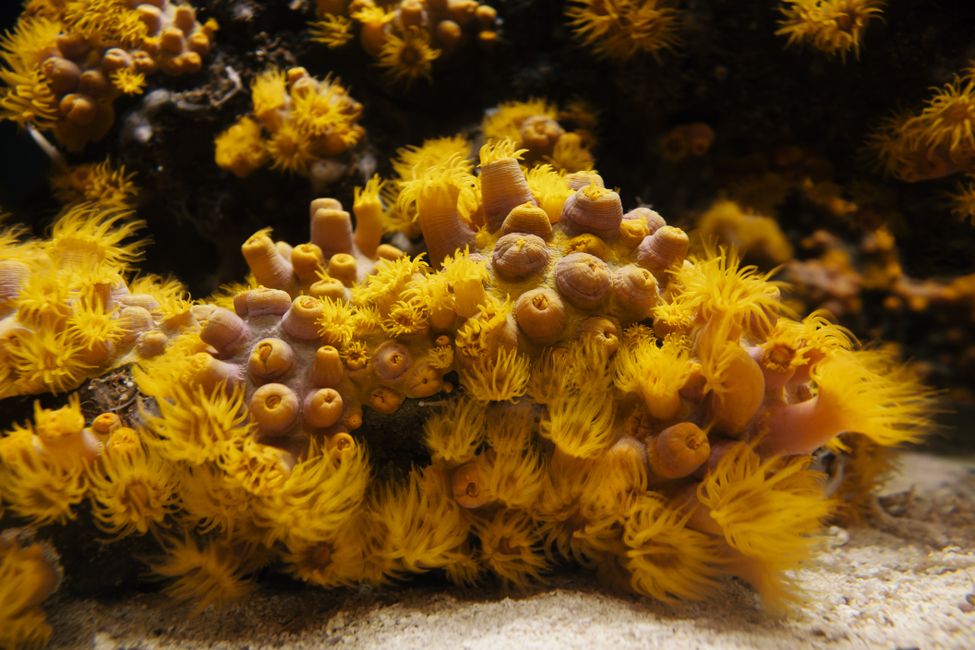
Scientists at Stanford University have uncovered something unexpected in the quest to understand brain aging: a naturally occurring substance found in sea squirts, an edible marine creature, appears to reverse several markers of aging in laboratory mice. The compound, called plasmalogen, improved memory, learning ability, and even physical signs of aging in older animals during the study.
The findings, published by the research team, add to a growing body of work exploring how certain nutrients might protect the aging brain. While the results are early and limited to animal studies, they offer a glimpse into how our brains change over time and what might help them stay resilient.
What the Research Found
The Stanford team gave plasmalogen supplements to older mice and observed a range of improvements. The animals performed better on memory and learning tasks, suggesting their cognitive function had strengthened. At the cellular level, the researchers found that connections between brain cells, known as synapses, became more robust. These synaptic connections are crucial for everything from forming memories to processing emotions.
Inflammation in the brain also decreased among the mice receiving the supplement. Chronic inflammation is one of the hallmarks of aging and has been linked to cognitive decline and various neurological conditions. Reducing it could be one pathway to protecting brain health over time.
*Photo: Merlin Lightpainting · Pexels*
Perhaps most visibly, the mice also grew thicker, darker hair, a cosmetic but telling sign that the compound was influencing biological processes beyond the brain. Hair growth and pigmentation are sensitive to overall cellular health, suggesting the plasmalogen was having broader effects on aging at the tissue level.
The researchers believe plasmalogen may work by encouraging brain regeneration and protecting aging synapses from deterioration. These synapses naturally weaken as we grow older, which contributes to slower thinking and memory lapses.
A Closer Look at Plasmalogens
Plasmalogens are a type of phospholipid, a fatty molecule that makes up part of the membrane surrounding every cell in our body. They're especially abundant in the brain, heart, and immune cells. As we age, plasmalogen levels naturally decline, which may leave our cells more vulnerable to damage.
Sea squirts, the marine animals at the centre of this study, are filter feeders that attach themselves to rocks and船 hulls. Though they might not look appetising, they're eaten in parts of Asia and are rich in plasmalogens. Other dietary sources include certain shellfish and some types of fish.
The body can produce plasmalogens on its own, but the process becomes less efficient with age. This is where supplementation might come in, though it's important to note that what works in mice doesn't always translate directly to humans.

*Photo: 대정 김 · Pexels*
What This Means for Human Brain Health
It's tempting to hear about a study like this and immediately search for plasmalogen supplements or rush to add sea squirts to your diet. But the researchers are careful to note that this work is still in its early stages. The mice in the study received controlled doses in a laboratory setting, and human brains are far more complex.
What the research does offer is a window into the biological mechanisms of aging. Understanding that plasmalogen levels decline with age and that restoring them might protect synapses gives scientists a new thread to follow. Future studies will need to test whether similar effects occur in people, what dosages might be safe and effective, and whether dietary sources could provide meaningful benefits.
The connection between brain health and inflammation is particularly worth noting. Many lifestyle factors that support mental wellness, such as regular movement, quality sleep, and stress management, also reduce inflammation. This study reinforces how interconnected our physical and mental health truly are.
For those of us thinking about longevity and quality of life, the findings are a reminder that brain aging isn't a single, inevitable decline. It's a process influenced by many factors, some of which we might be able to shape. While we wait for more research on plasmalogens specifically, the principles remain the same: what nourishes the body nourishes the mind.
Why It Matters
This research matters because it broadens our understanding of what's possible when it comes to protecting our minds as we age. For podcasters and creators exploring topics of wellness, longevity, and human potential, studies like this one spark important conversations about how we care for our brains over a lifetime.
The brain isn't a static organ. It adapts, repairs, and responds to what we give it. Whether through diet, connection, rest, or future innovations we haven't yet imagined, there's reason to believe we have more influence over our cognitive health than we once thought. That's a hopeful message in a world where many of us worry about losing ourselves to time.
Based on reporting from sciencedaily.com.


Comments
Loading comments…