A Brain Protein Called Menin May Hold Clues to Healthy Aging
New research in mice suggests that restoring a declining brain protein could reverse some signs of aging, opening questions about longevity.
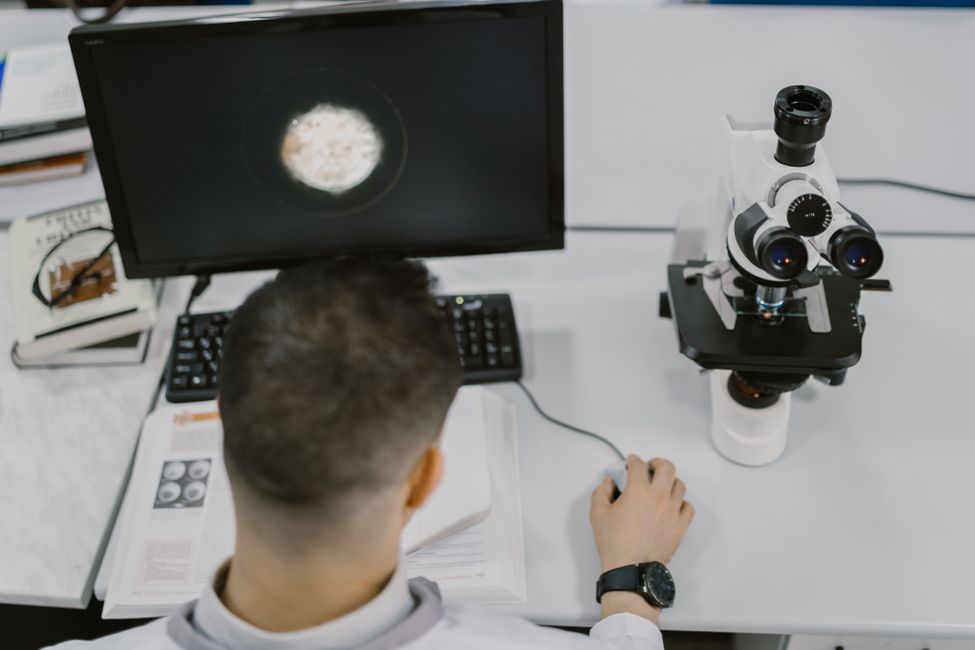
Scientists have identified a protein in the brain that appears to decline with age, and when they restored it in mice, several hallmarks of aging went into reverse. The protein is called Menin, and this early-stage research hints that it could one day become a target for interventions aimed at healthier, more graceful aging.
The findings don't promise a fountain of youth, and they're still far from human application. But they do add another piece to the puzzle of what happens inside our bodies as we grow older, and why some systems seem to falter while others hold steady.
What the researchers found
The team behind the study observed that levels of Menin drop as mice age. That decline wasn't just a side effect of getting older. It seemed to be tied to a cascade of changes that we typically associate with aging: inflammation in the brain, cognitive difficulties, weaker bones, and skin that grows thinner and more fragile.
When the scientists boosted Menin levels back up, they saw reversals in several of those age-related changes. The mice showed improvements across multiple systems, suggesting that Menin might play a broader role in maintaining the body's resilience over time.
The researchers also explored the amino acid D-serine, which appeared to improve cognitive function in the aging mice. It's another potential avenue, though still early, for supporting brain health as we age.
*Photo: Berna · Pexels*
Why this matters beyond the lab
Most of us have watched someone we love move through the stages of aging. We see the small losses—a name that takes longer to retrieve, a bone that breaks more easily, a mind that tires faster. Research like this doesn't erase those realities, but it does shift the conversation from inevitability to possibility.
For decades, aging was treated as a one-way street. You got older, things got harder, and that was that. But modern science is beginning to ask whether some of what we call aging is actually a set of processes that can be slowed, supported, or even partially reversed. Menin is one candidate in a growing list of biological factors that seem to influence how our bodies and brains weather the years.
The fact that restoring this single protein led to improvements in inflammation, cognition, bone strength, and skin quality suggests that aging isn't just a collection of separate breakdowns. It may be driven, at least in part, by underlying mechanisms that affect multiple systems at once. If researchers can find ways to support those mechanisms, the benefits could ripple outward.
What we don't know yet
It's important to note that this research was conducted in mice, and findings in animals don't always translate to humans. Our biology is more complex, our lifespans are longer, and the factors that influence our aging are tangled up with diet, environment, stress, sleep, relationships, and genetics.
We also don't yet know whether boosting Menin in people would be safe, effective, or practical. The body is a delicate system, and tinkering with one protein can have unintended consequences elsewhere. The path from a promising lab result to a treatment that helps real people is long, and full of careful testing.
Still, the research opens a door. It suggests that there are levers inside the aging process, and that some of them might be within our reach to adjust. Even if Menin itself doesn't become a treatment, understanding its role could point scientists toward other interventions that support healthy aging.

*Photo: SHVETS production · Pexels*
A perspective on aging and wellbeing
For those of us thinking about our own futures, or caring for aging parents, or simply trying to make sense of what it means to live well over time, this kind of research can feel both hopeful and humbling. Hopeful because it reminds us that science is actively working to ease the burden of aging. Humbling because it underscores just how much we still don't understand about our own biology.
Aging is not just a medical event. It's a human one. It touches our sense of identity, our independence, our relationships, and our sense of purpose. While we wait for science to catch up with our hopes, the work of aging well remains personal. It happens in the choices we make about movement, connection, meaning, and care.
Research like this matters because it expands what's possible. It reminds us that the story of aging is still being written, and that curiosity and rigour can lead to real change. For podcasters and creators who cover science, health, and the human experience, it's a story worth following—not with hype, but with the steady attention it deserves.
Based on reporting from sciencedaily.com.



Comments
Loading comments…