Your Learning Style Matters More Than Your Age for Brain Stimulation
New research suggests personalising brain stimulation to how someone learns, not how old they are, could improve motor skill recovery.
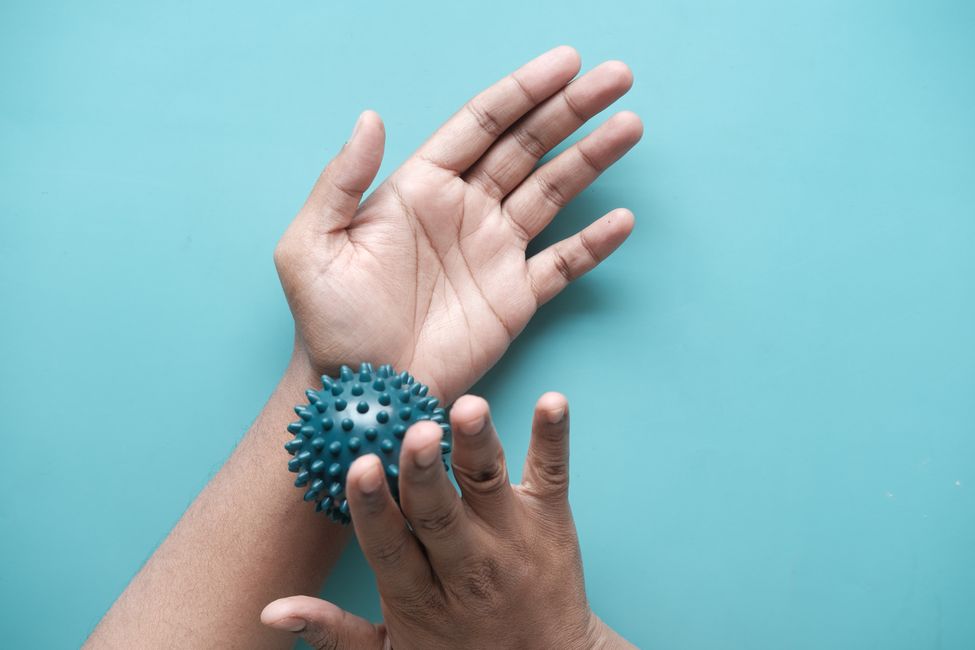
When it comes to helping people regain motor skills after injury or illness, doctors have long assumed that age plays a major role in how well brain stimulation works. Younger patients, the thinking went, would naturally respond better than older ones. But a new study is challenging that assumption in ways that could reshape how we approach rehabilitation.
Research has found that the effectiveness of brain stimulation for improving motor skills isn't determined by how many years someone has lived. Instead, it comes down to something more individual: how well a person learns. This discovery suggests that the future of neurorehabilitation might need to be far more personalised than it currently is, tailored to each person's unique learning capacity rather than their date of birth.
Rethinking the Role of Age
The study examined how people of different ages responded to brain stimulation techniques designed to enhance motor learning. Researchers expected to see clear differences between younger and older participants, with age being the decisive factor in outcomes. What they found instead was surprising.
Individual learning ability emerged as the key predictor of success, regardless of whether someone was in their twenties or their seventies. Some older adults showed remarkable responsiveness to the treatment when they had strong learning capabilities, while some younger participants with weaker learning abilities didn't benefit as much. The pattern was consistent enough to suggest that age, while not irrelevant, isn't the determining factor we once believed it to be.
This finding matters because brain stimulation is increasingly used to help people recover motor function after strokes, injuries, or neurological conditions. If we've been making assumptions based on age alone, we may have been overlooking people who could benefit greatly, or conversely, offering treatments to those who might need a different approach altogether.
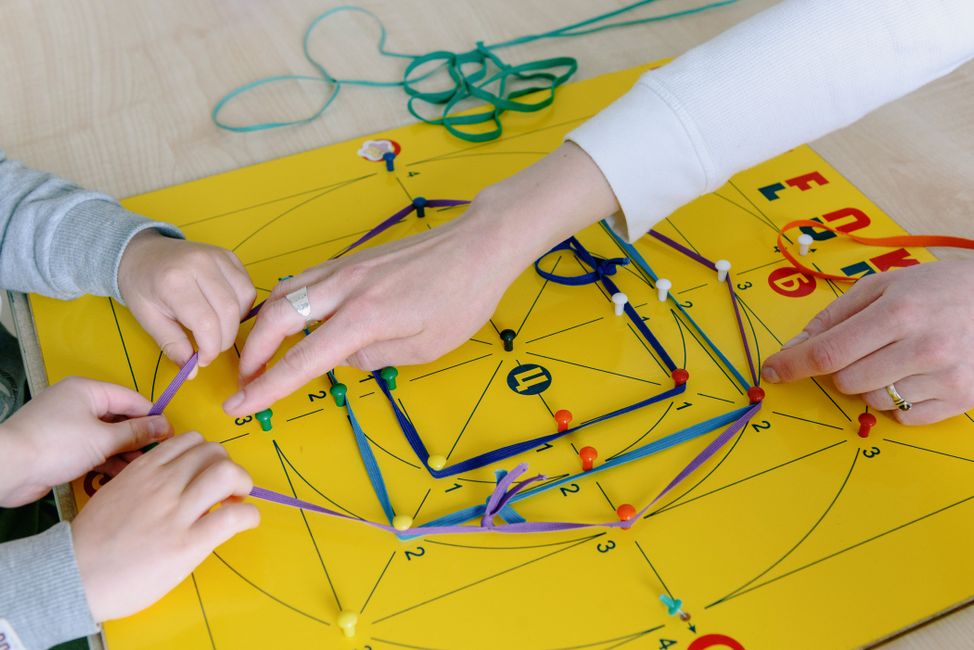
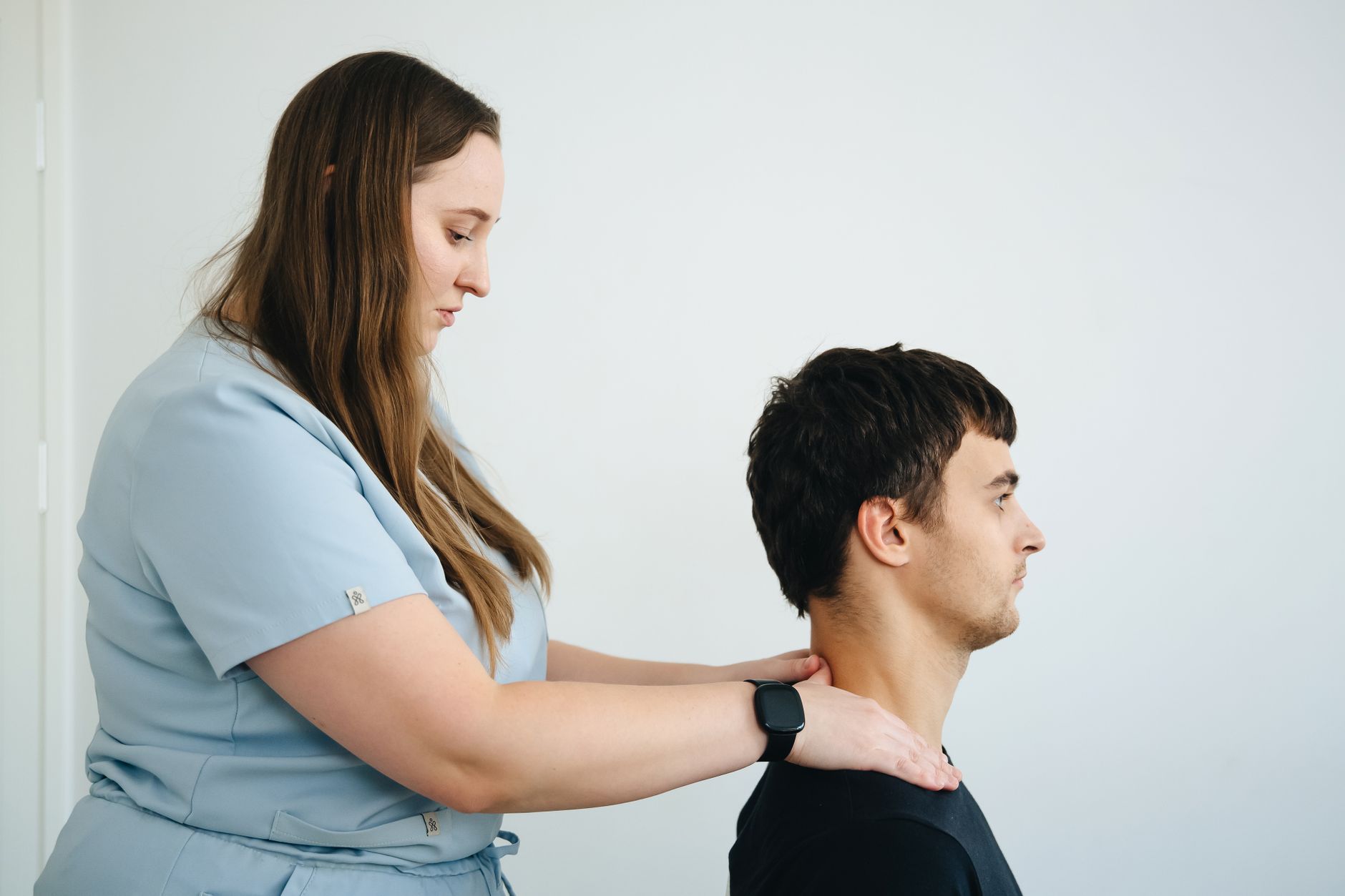
*Photo: Ksenia Chernaya · Pexels*
What This Means for Treatment
The implications for how we design and deliver neurorehabilitation are significant. Rather than grouping patients by age or applying one-size-fits-all protocols, clinicians may need to assess each person's learning profile first. This could involve testing how someone acquires new motor skills, how quickly they adapt to changes, and what strategies help them learn most effectively.
Personalised medicine has been gaining ground in many areas of healthcare, but this research suggests it needs to extend more deeply into brain rehabilitation too. Understanding someone's learning style, their cognitive strengths, and how their brain processes new information could become just as important as understanding their diagnosis or their physical limitations.
The shift also challenges some of our cultural assumptions about ageing and recovery. We often hear that older adults face steeper challenges in rehabilitation, and while physical factors certainly play a role, this research suggests that learning capacity, which can remain strong throughout life, might be the more critical variable. That's potentially hopeful news for anyone facing a long recovery journey.
A More Human Approach
What feels particularly valuable about this research is how it moves us away from treating people as members of age categories and towards seeing them as individuals. Two people of the same age might have completely different responses to the same treatment, not because one is somehow better or worse, but because their brains learn differently.

Comments
Loading comments…