Why Timing Matters When Stimulating the Vagus Nerve
New research reveals that electrical nerve stimulation works best when it follows the body's natural rhythms of breath and heartbeat.
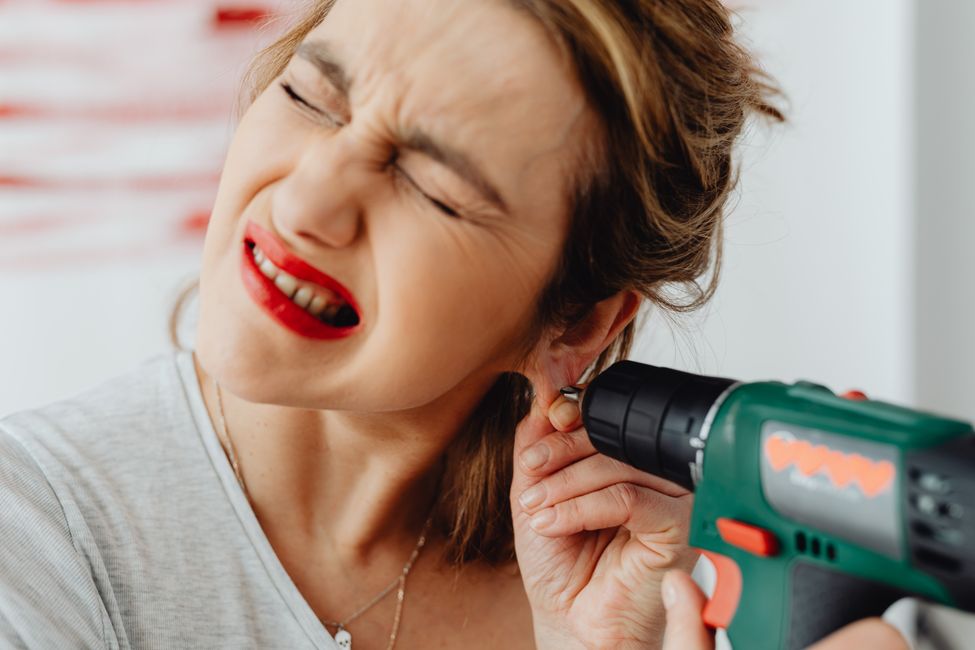
For years, doctors have been using a technique called vagus nerve stimulation to treat various conditions, from depression to epilepsy. The method is straightforward enough: small electrical signals are delivered to the vagus nerve through the ear. But there's been a puzzle. Sometimes it works beautifully. Sometimes it doesn't work at all.
New research might finally explain why. According to a recent study, the brain isn't always ready to receive these electrical messages. The key, it turns out, is timing. The signals need to arrive in sync with the body's own natural rhythms, particularly our heartbeat and breathing.
When the Body Is Ready to Listen
The vagus nerve is one of the longest nerves in the body, running from the brain down through the chest and abdomen. It plays a crucial role in regulating everything from heart rate to digestion to mood. Scientists have known for some time that stimulating this nerve can help with a range of health conditions, but the inconsistent results have been frustrating for both patients and practitioners.
The new findings suggest that our bodies operate on a kind of internal schedule. Just as there are better and worse times to have a difficult conversation with someone, there appear to be better and worse moments to send electrical signals to the brain through the vagus nerve. When the stimulation arrives during the right phase of a heartbeat or breath cycle, the brain is more receptive. Miss that window, and the message might not get through at all.

*Photo: Luan Rezende · Pexels*
This discovery could explain why some people respond well to vagus nerve stimulation while others see little benefit, even when the equipment and technique are identical. It wasn't necessarily that the treatment didn't work. It was that the timing was off.
The Promise of Personalized Rhythms
Understanding this connection between natural body rhythms and nerve stimulation opens up new possibilities for treatment. Rather than delivering electrical signals at random intervals or on a fixed schedule, future devices could monitor a person's heartbeat and breathing in real time, then deliver stimulation only when conditions are optimal.
This kind of personalized, rhythm-responsive approach could make vagus nerve stimulation far more effective. For people who haven't responded to the technique in the past, it might mean a second chance at relief. For those considering it as a treatment option, it could mean better outcomes from the start.
The implications stretch beyond just the vagus nerve too. Other forms of electrical stimulation therapy, used for pain management or neurological conditions, might also benefit from paying attention to the body's internal clocks. We're learning that the brain and nervous system aren't passive receivers of information. They're active participants, with their own rhythms and readiness states.
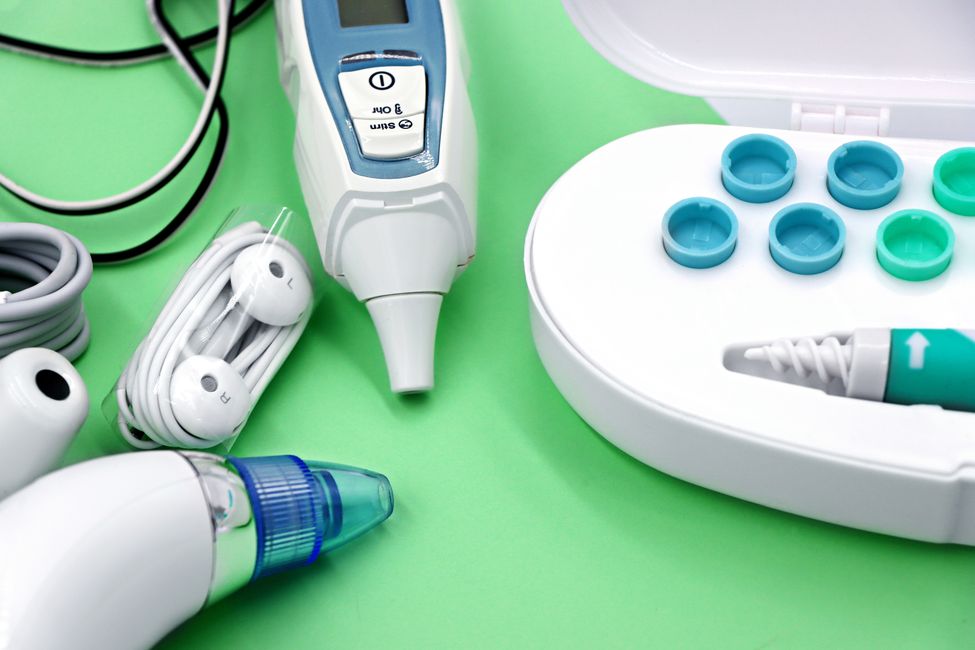
*Photo: Marta Branco · Pexels*
A More Human Approach to Technology
There's something reassuring about this research. It reminds us that even as we develop sophisticated medical technologies, we can't ignore the basic biological rhythms that make us human. Our bodies breathe, our hearts beat, and these fundamental patterns matter more than we might have realized.
For practitioners working with vagus nerve stimulation, the findings suggest a need for more nuanced protocols. Instead of one-size-fits-all timing, treatment might need to be calibrated to each person's unique rhythms. It's a shift from mechanical repetition to something more like a conversation, where both parties need to be ready to listen.
The study doesn't provide specific details about exactly which phase of the heartbeat or breath cycle is optimal, or how much precision is required. Those questions will likely be the subject of future research. But the core insight is clear: timing matters, perhaps more than anyone previously understood.
Why This Matters
For anyone considering vagus nerve stimulation, or for those who've tried it without success, this research offers both an explanation and a reason for hope. The technique itself may not have been the problem. The coordination with natural body rhythms might have been missing.
As our understanding grows, treatments can become more sophisticated and more effective. This isn't about adding more power or more technology. It's about working with the body's own wisdom, respecting its rhythms, and finding the moments when it's truly ready to receive help.
For podcast conversations about mental health and wellbeing, this research highlights something worth remembering: our bodies are always communicating, always cycling through their own patterns. The best interventions, whether medical or personal, are the ones that learn to listen first.
Based on reporting from sciencedaily.com.

Comments
Loading comments…