Scientists discover how brain chemicals attach to DNA packaging, opening new paths for mood research
A new finding about serotonin, dopamine and histamine could reshape how we understand the biology behind circadian rhythms and mental health.

Scientists have uncovered a surprising new way that the brain's chemical messengers do their work, and the discovery could eventually change how we approach disorders linked to mood, sleep and cognition.
A research team has found that monoamine neurotransmitters, including serotonin, dopamine and histamine, don't just send signals between brain cells. They also chemically bond directly to histone proteins, the structural molecules that package our DNA inside cells. This attachment appears to play a role in regulating which genes get switched on or off in the brain, influencing both how our brains function day to day and how our behaviour unfolds.
The finding adds a fresh dimension to our understanding of these neurotransmitters, which have long been central to conversations about mental health and wellbeing.
A new layer to an old story
For decades, researchers and clinicians have known that serotonin, dopamine and other monoamines are crucial to mood regulation, motivation, attention and sleep cycles. Many widely used medications for depression and anxiety work by adjusting levels of these chemicals in the brain.
What this new research reveals is that these neurotransmitters have a second job. Beyond their familiar role as messengers travelling between neurons, they can latch onto histones, the proteins that act like spools around which DNA is wound. When monoamines bind to histones, they may influence gene expression, the process by which genes are turned on to produce proteins that affect how cells behave.
Histamine, in particular, emerged as a key player in this newly identified mechanism. While it's often associated with allergic reactions in the body, histamine also functions as a neurotransmitter in the brain, involved in wakefulness, appetite and learning. The team's work suggests it joins serotonin and dopamine in this direct interaction with the genetic machinery of brain cells.
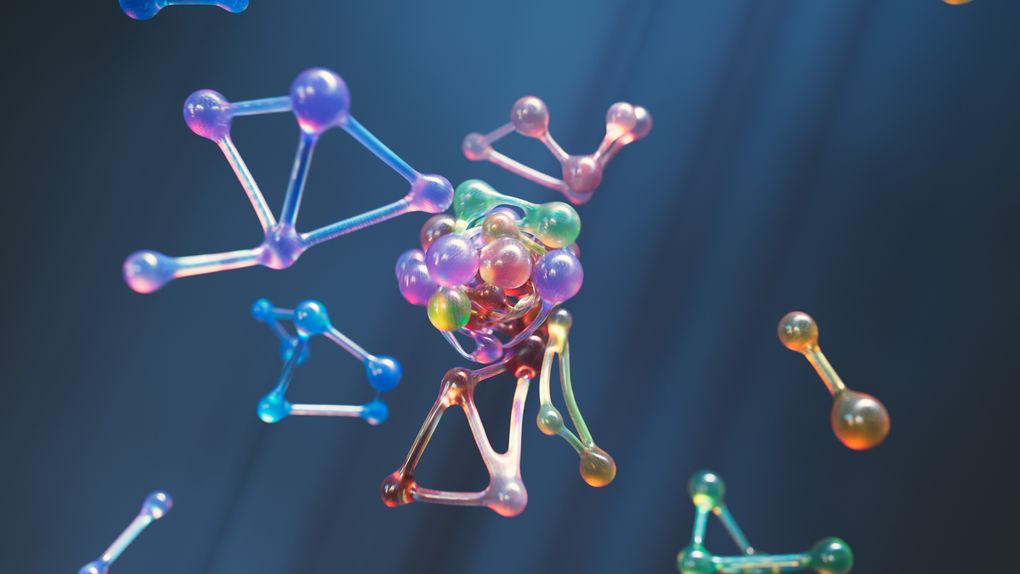
*Photo: Google DeepMind · Pexels*
Why circadian rhythms matter
The researchers highlighted a potential connection between this chemical bonding process and circadian disorders, the disruptions to our internal body clock that affect sleep, energy and mood. Circadian rhythms are guided in part by gene expression that follows a roughly 24-hour cycle, and monoamines like serotonin and histamine are known to fluctuate throughout the day and night.
If these neurotransmitters are directly influencing which genes are active at different times by binding to histones, it suggests a biological pathway that links our brain chemistry to the rhythms that govern sleep and wakefulness. Disruptions in this process could help explain why some people struggle with insomnia, shift work disorder or seasonal mood changes.
Understanding this mechanism doesn't offer immediate solutions, but it does provide a new target for future research. Scientists may eventually be able to design interventions that work at this molecular level, potentially offering more precise treatments for conditions where circadian and mood systems overlap.
What it means for mental health research
The implications stretch beyond sleep. Mood disorders like depression and anxiety are deeply connected to serotonin and dopamine activity, and researchers have long sought to understand why some people respond to treatment while others don't. This discovery suggests that the picture is more complex than simply having too much or too little of a given neurotransmitter.
If monoamines are also regulating genes by attaching to histones, then the effectiveness of treatments might depend not just on neurotransmitter levels, but on how those chemicals interact with the genetic architecture of brain cells. It's a reminder that biology operates in layers, and that our growing knowledge continues to reveal just how intricate the systems underlying our mental states really are.
*Photo: Google DeepMind · Pexels*
The collaborative nature of the research also reflects a broader shift in science toward interdisciplinary work. Unravelling these kinds of mechanisms requires expertise across neuroscience, genetics and molecular biology. Progress happens when teams bring together different perspectives to ask questions that no single field could answer alone.
A foundation for future work
For now, this research is foundational. It doesn't translate into new therapies or diagnostic tools, but it does open a door. Scientists now have a clearer view of one way the brain regulates itself at the molecular level, and that clarity can guide the next generation of questions.
For those of us outside the lab, the takeaway is both humbling and hopeful. The systems that shape our moods, our sleep and our sense of wellbeing are astonishingly complex, and we're still learning how they work. Each discovery like this one adds a piece to the puzzle, bringing us closer to interventions that are more effective and more tailored to individual needs.
Whether you're a podcaster exploring the science of mental health or someone navigating your own relationship with mood and sleep, findings like these remind us that progress is happening, even when it's incremental. The biology of the brain is vast, but every new insight brings us a step closer to understanding ourselves.
Based on reporting from sciencedaily.com.

Comments
Loading comments…