New Technology Helps People with Spinal Injuries Move Again
A combination of robotics and spinal stimulation is giving people with paralysis the ability to cycle, walk, and reclaim independence.
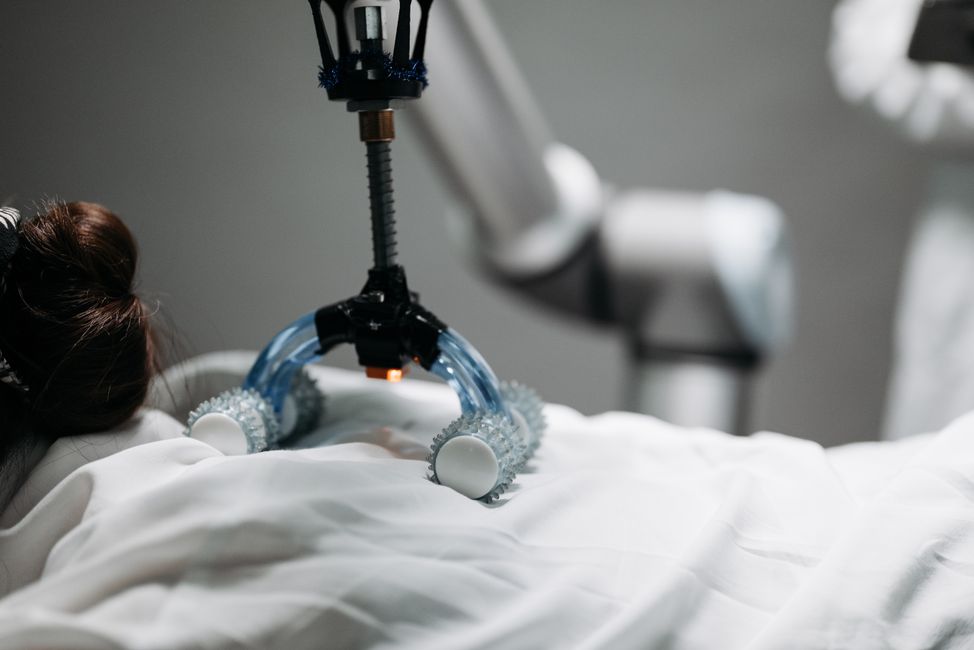
A breakthrough approach is changing what's possible for people living with spinal cord injuries. Scientists have developed a method that pairs rehabilitation robotics with spinal cord stimulation, and the results are helping people move in ways they haven't been able to in years.
The technology doesn't just support recovery in a clinical setting. It's enabling real-world activities like cycling outdoors and walking, offering a glimpse of independence that many thought might be out of reach.
How the Technology Works
The approach combines two powerful tools. Rehabilitation robotics provide structured support and assistance during movement, helping the body relearn patterns it may have lost. At the same time, spinal cord stimulation sends carefully timed electrical signals to the nerves below the injury site, essentially waking up pathways that had gone quiet.
Together, these technologies work as a team. The robotics guide the body through the motions, while the stimulation helps the nervous system respond. Over time, this combination can enhance the rehabilitation process, allowing people to regain functions that seemed permanently lost after a spinal injury.
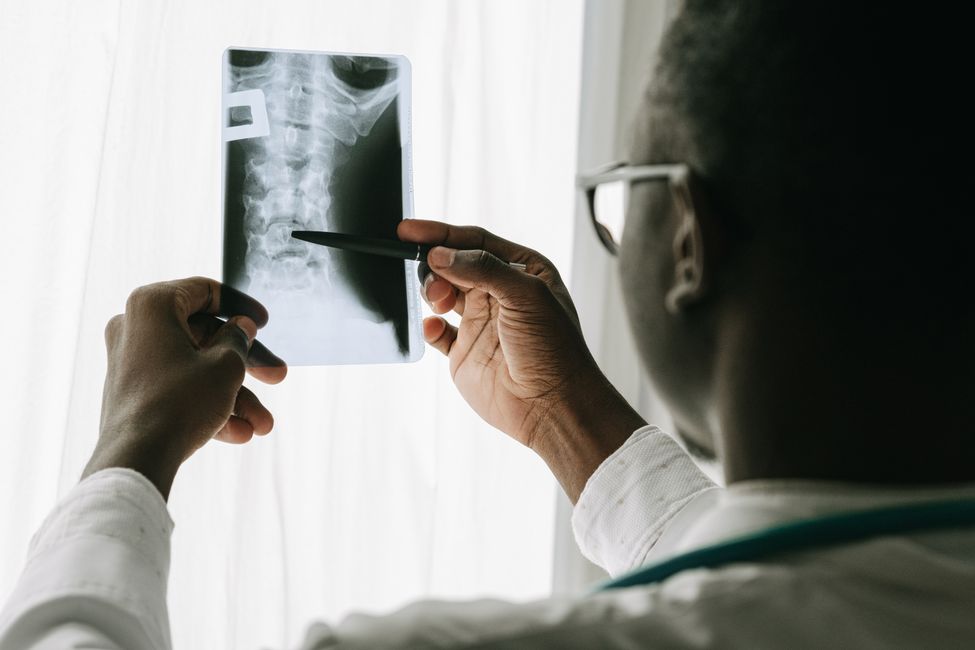
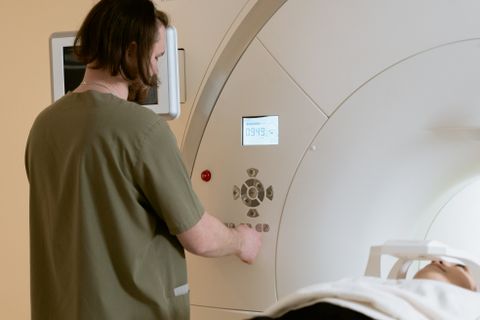
*Photo: Ivan S · Pexels*
What makes this particularly meaningful is the emphasis on real-life mobility. The goal isn't just to move in a lab or therapy room. It's about being able to ride a bike down a path, walk through a park, or navigate everyday spaces with greater freedom.
The Human Side of Mobility
For anyone who has experienced a spinal cord injury, or watched someone they love go through it, the emotional weight is enormous. The loss of movement can feel like losing a piece of yourself. It affects not just physical independence, but mental health, relationships, and the sense of who you are in the world.
That's why advances like this matter beyond the mechanics. Movement is deeply connected to wellbeing. It's tied to dignity, to autonomy, to the simple joy of being able to go where you want to go. When technology can restore even some of that, it's restoring more than muscle function. It's restoring hope.
The scientists behind this work are focused on practical outcomes, on what actually improves someone's day-to-day life. That grounded approach is what makes the research so promising. It's not about futuristic promises that never materialise. It's about tools that are already making a difference.
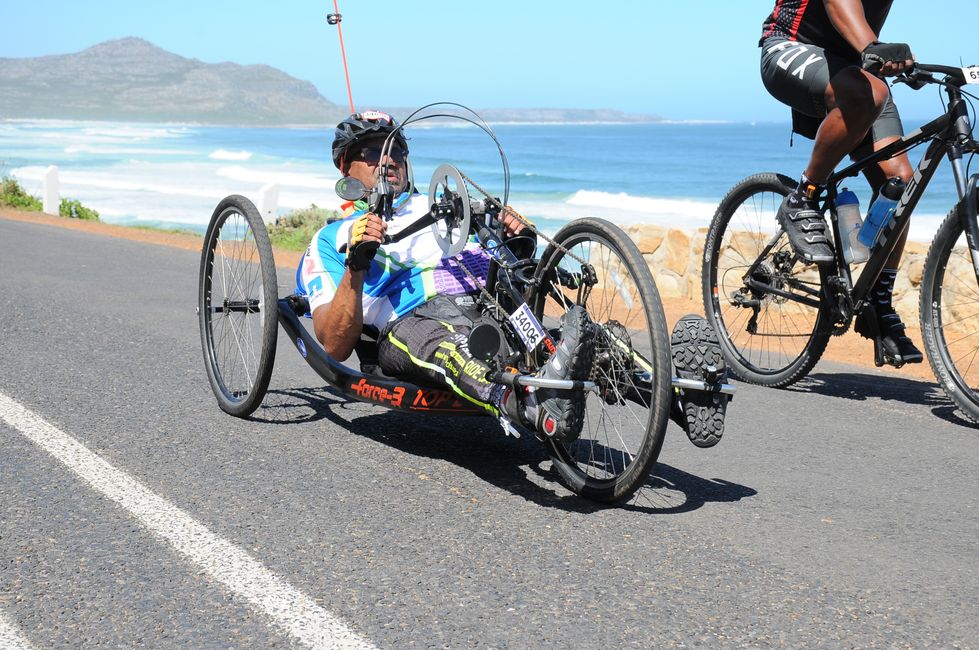
*Photo: Brunhild Strauss · Pexels*
What This Means for Wellbeing
The intersection of physical and mental health is something we talk about often at Healthy Mind by Avik, and this story sits right at that crossroads. When your body can do more, your mind often follows. The ability to move freely outdoors, to engage with the world, to feel capable, these things shape how we see ourselves and how we experience each day.
For people living with paralysis, the psychological toll can be as challenging as the physical limitations. Depression, anxiety, and isolation are common companions to spinal cord injury. Any technology that restores movement has the potential to ease that burden, to open up social connection, to rebuild confidence.
This research also matters because it represents a shift in how we think about recovery. For a long time, spinal cord injuries were seen as permanent, with little hope for meaningful improvement. That narrative is changing. Science is finding ways to support the body's own resilience, to coax function back even when the damage seemed complete.
The fact that this technology enables outdoor activities is particularly important. Nature, movement, and fresh air are all linked to better mental health. Being able to cycle or walk outside isn't just exercise. It's connection to the world, a sense of normalcy, a reminder that life is still full of possibility.
Looking Ahead
While the research is promising, it's worth noting that we don't yet know all the details about how widely this approach can be applied, or what the long-term outcomes look like. Science moves carefully, and that's a good thing. But the early results are encouraging enough to offer genuine hope.
For podcasters and creators in the wellness space, this story is a reminder of how much innovation is happening at the edges of what we thought was possible. It's also a reminder that wellbeing isn't one-dimensional. Physical health, mental health, and quality of life are all woven together.
The people who benefit from this technology aren't just gaining movement. They're gaining agency, hope, and a different future than the one they were told to expect. That's the kind of story worth paying attention to.
Based on reporting from sciencedaily.com.

Comments
Loading comments…