New spinal stimulation technique shows promise in reversing muscle wasting disease
Researchers are using electrical signals to help restore communication between nerves and muscles in people with spinal muscular atrophy.
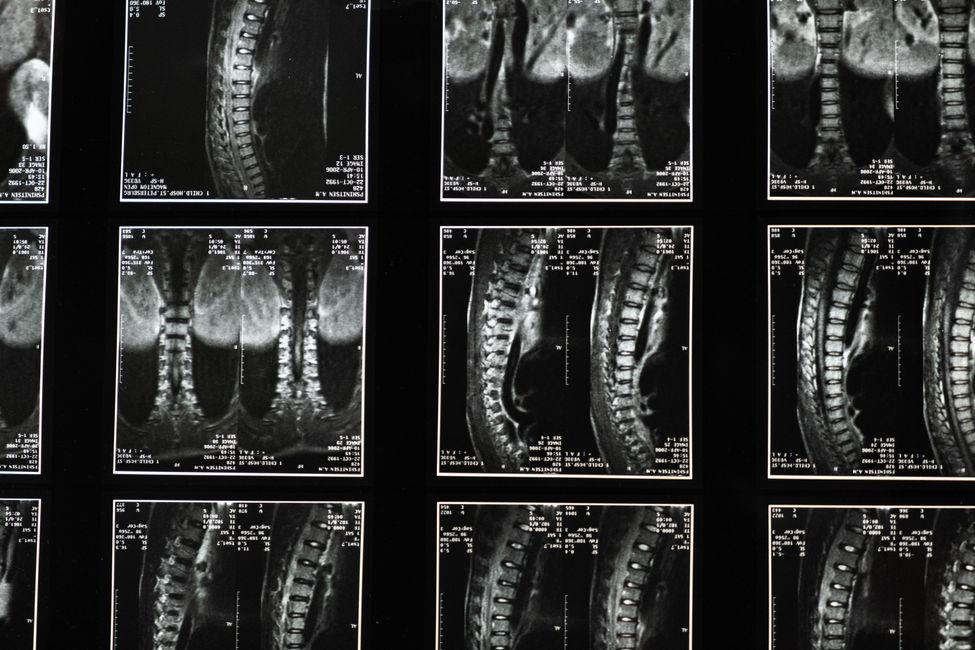
Scientists have made a significant breakthrough in treating spinal muscular atrophy, a progressive condition that causes muscle wasting. By using spinal cord stimulation to boost communication between spinal nerves and muscles, researchers have been able to reverse the progression of the disease in early studies.
The findings offer hope not just for people living with spinal muscular atrophy, but potentially for those affected by other motor neuron diseases, including amyotrophic lateral sclerosis (ALS). The technique works by strengthening the signals between the nervous system and muscle tissue, addressing one of the core problems in these conditions.
How the stimulation works
Spinal muscular atrophy, often abbreviated as SMA, occurs when motor neurons in the spinal cord deteriorate. These neurons are responsible for sending signals from the brain to the muscles, controlling voluntary movement. When they stop working properly, muscles begin to weaken and waste away.
The new approach uses spinal cord stimulation to enhance the communication pathway between these damaged nerves and the muscles they control. Rather than trying to repair the neurons themselves, the technique focuses on amplifying the signals that still exist, helping muscles receive the instructions they need to function.
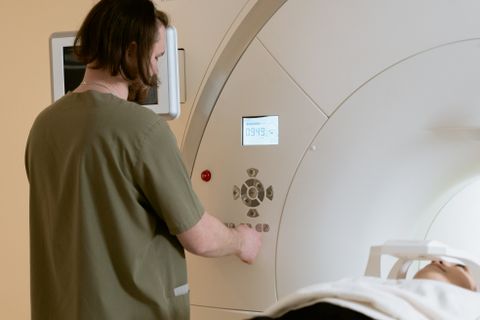
*Photo: Pavel Danilyuk · Pexels*
What makes this particularly notable is that the intervention appears to reverse progression, not simply slow it down. In conditions like SMA, stopping further deterioration would be meaningful. Actually restoring function represents a more significant step forward.
Implications for other conditions
The research team suggests this approach could extend beyond spinal muscular atrophy. Motor neuron diseases share common features, particularly the breakdown of communication between nerves and muscles. ALS, which affects thousands of people each year, follows a similar pattern of progressive muscle weakness.
If spinal cord stimulation can strengthen neural pathways in one motor neuron disease, the logic goes, it might work in others. This does not mean a cure is imminent, but it does suggest a new avenue for treatment that has not been fully explored.
The emotional weight of progressive neurodegenerative diseases is immense. People living with these conditions often face a gradual loss of independence and physical capability. Family members and carers watch someone they love struggle with tasks that were once effortless. Any intervention that might slow or reverse this trajectory carries profound psychological as well as physical significance.
*Photo: RDNE Stock project · Pexels*
What this means for wellbeing
Beyond the clinical implications, research like this matters for mental health and quality of life. Progressive diseases create a particular kind of psychological burden. The knowledge that symptoms will worsen over time can lead to anticipatory grief, anxiety and depression.
When people receive a diagnosis of a progressive condition, they often describe feeling like the future has been taken from them. Hope becomes complicated. Allowing yourself to hope for improvement can feel dangerous when the medical reality suggests otherwise.
This is where breakthroughs in treatment, even early-stage ones, play an important role in emotional wellbeing. They shift the narrative slightly. They suggest that what we know today about a disease might not be the final word. They create space for possibility without demanding false optimism.
For the broader community of people living with chronic neurological conditions, news of progress in one area can feel personally meaningful even when it does not directly affect their specific diagnosis. It signals that research continues, that scientists are asking new questions and trying different approaches.
The relationship between physical health and mental wellbeing is never more apparent than in progressive diseases. Physical symptoms directly impact mood, independence and sense of self. Treatments that address physical symptoms often bring psychological relief as well, not just because the body functions better, but because agency and hope are partially restored.
This research is still in relatively early stages, and it will take time to understand how widely applicable spinal cord stimulation might be, and for whom it works best. But the principle behind it, strengthening the pathways that remain rather than only mourning what has been lost, feels like a meaningful shift in approach.
For anyone living with a progressive condition, or loving someone who is, the waiting for new treatments can feel endless. Each small step forward in research represents years of work by scientists who believe change is possible.
According to ScienceDaily, this work on spinal cord stimulation and muscle atrophy represents a new direction in how we might approach motor neuron diseases.
The takeaway for our community is this: progress in treating physical symptoms of neurological conditions is also progress in supporting mental health. When the body has more capacity, the mind often finds more room to breathe. And in the landscape of progressive disease, even small restorations of function can mean the world.
Based on reporting from sciencedaily.com.

Comments
Loading comments…