New research shows how depression may block the brain from forming fresh neurons
A large study reveals depression disrupts the birth of new brain cells, making it harder to separate new moments from old pain.

Scientists have uncovered new evidence that depression may physically change the brain in ways that make it harder to move forward from difficult experiences. A major study has found that adults living with depression show disrupted production of new neurons in a critical brain region, a process that normally helps us distinguish present moments from past memories.
The research focuses on the hippocampus, a seahorse-shaped structure deep in the brain that plays a central role in learning and memory. In healthy brains, this region continues to generate fresh neurons throughout adulthood, a process called neurogenesis. These new cells are thought to help us separate new experiences from old ones, allowing us to encounter similar situations without being overwhelmed by what happened before.
When the brain stops renewing itself
The study revealed that this renewal process appears to shut down in people experiencing depression. Without a steady supply of new neurons, the hippocampus may struggle to do its job of keeping memories distinct. This could explain why depression often feels like being trapped in the past, why painful memories can feel as immediate as current experiences, and why it becomes so difficult to see new situations clearly without the weight of old hurt.
The findings suggest that depression is not simply a matter of thoughts or feelings, but involves measurable changes in how the brain physically rebuilds itself day to day. When that rebuilding slows or stops, the architecture of memory and experience may shift in ways that keep people stuck.

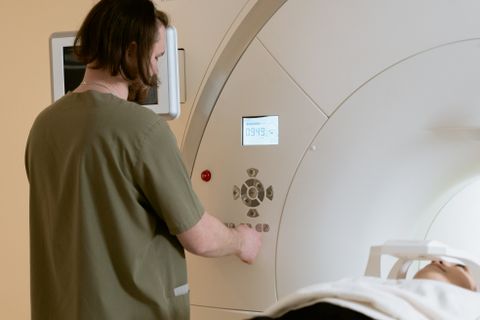
*Photo: Tim Douglas · Pexels*
Beyond a single explanation
What makes this research particularly significant is that the team identified broad molecular changes associated with depression, not just one biological pathway. This points to something many people living with depression already know from experience: depression does not look or feel the same for everyone.
The researchers found variations in the biological signatures of depression, suggesting there may be different forms of the condition operating at the cellular level. This diversity could help explain why treatments that work well for one person may do little for another, and why finding the right approach often requires patience and trial.
The discovery of these distinct molecular patterns opens the possibility of developing treatments tailored to different biological types of depression. Rather than a one-size-fits-all approach, future therapies might be matched to the specific changes happening in an individual's brain.
What this means for understanding and treatment
This research adds another layer to our understanding of why depression can be so persistent and why recovery takes time. If the brain's ability to generate new neurons has been compromised, healing may involve not just changing thought patterns or circumstances, but also supporting the brain's physical capacity to renew itself.
The study does not suggest that depression is purely biological or that psychological and social factors do not matter. Rather, it shows how lived experience and brain biology are deeply intertwined. Stress, trauma, and ongoing difficulty can shape the brain just as surely as the brain shapes our experience of the world.

Comments
Loading comments…