New Pain Receptor Discovery Could Lead to Better Treatments Without Unwanted Side Effects
Scientists have identified a receptor that helps transmit pain signals, opening doors to therapies that might ease chronic pain more safely.

Living with chronic pain changes everything. It affects how you sleep, how you move through your day, and how you show up for the people you care about. For years, researchers have been searching for ways to interrupt pain signals without causing the kinds of side effects that have derailed previous treatments. Now, a new discovery about how our bodies process pain might finally point the way forward.
Scientists have identified a previously unknown receptor for nerve growth factor, a protein that plays a crucial role in how we experience pain. What makes this finding particularly interesting is that this receptor doesn't send signals on its own. Instead, it works alongside other receptors to amplify pain messages, especially in conditions like arthritis, inflammatory disorders, and cancer-related pain.
Why Previous Pain Treatments Have Struggled
To understand why this matters, it helps to know a bit about nerve growth factor itself. This protein becomes more active when tissues are injured or inflamed, and it ramps up pain sensitivity as part of the body's alert system. Researchers have known for some time that blocking nerve growth factor could reduce pain, and pharmaceutical companies have developed treatments that do exactly that.
The problem is that these therapies have run into serious obstacles in clinical trials. When researchers blocked nerve growth factor too broadly, patients experienced concerning side effects that ultimately prevented these drugs from reaching the market. The treatments were effective at reducing pain, but the trade-offs proved too significant.

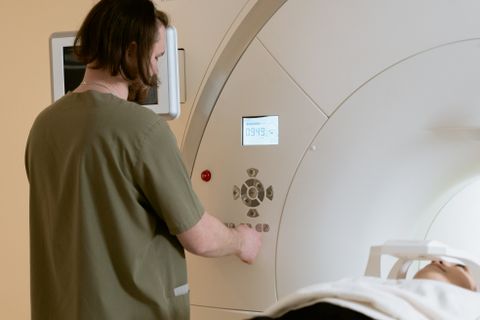
*Photo: Kindel Media · Pexels*
This is where the newly discovered receptor changes the picture. Because it contributes to pain signaling without acting alone, it might offer a more targeted approach. Think of it as finding a volume dial for pain rather than an on-off switch. By focusing on this specific receptor, researchers might be able to turn down pain signals without completely shutting down the beneficial functions of nerve growth factor throughout the body.
A More Precise Approach to Pain Relief
The research team's findings suggest that this receptor works in partnership with other known receptors to create the full pain experience. It's a supporting player rather than a lead actor, but its role turns out to be essential. When inflammation occurs or cancer spreads to bone and tissue, this receptor helps translate nerve growth factor's presence into the sensation we recognize as pain.
What excites researchers about this discovery is the possibility of developing drugs that target this specific receptor while leaving other pathways intact. Previous treatments failed partly because they were too blunt an instrument, affecting systems throughout the body. A more selective approach could preserve the protective and healing functions of nerve growth factor while still providing meaningful pain relief.
For people living with conditions like rheumatoid arthritis or dealing with pain from cancer treatment, this could eventually mean access to medications that actually make it through clinical trials and onto pharmacy shelves. The road from laboratory discovery to approved treatment is long, but this finding addresses one of the key reasons earlier attempts failed.

*Photo: T Leish · Pexels*
What This Means for People in Pain
Chronic pain doesn't just hurt physically. It affects mental health, relationships, work, and the fundamental ability to find joy in daily life. Many people with persistent pain have tried multiple treatments, each with its own set of limitations or side effects. Some medications dull the pain but cloud thinking. Others work for a while and then stop being effective. Still others require careful monitoring because of risks to the liver, kidneys, or digestive system.
The promise of a treatment that could reduce inflammatory and cancer-related pain without the side effects that derailed previous therapies represents more than just scientific progress. It represents hope for people who have been told to simply manage their pain, who have learned to plan their lives around good days and bad days, who have had to choose between being present and being comfortable.
Of course, this is early-stage research. The path from discovering a receptor to developing a safe and effective medication takes years of additional study, testing, and refinement. But the finding addresses a specific problem that has held back pain treatment, and that makes it genuinely significant.
For anyone listening to our conversations about wellbeing, this news is a reminder that researchers continue working on the physical dimensions of suffering that so deeply affect mental and emotional health. Pain and mood are intimately connected, and progress in treating one often helps with the other.
Based on reporting from sciencedaily.com.


Comments
Loading comments…