New brain stimulation approach offers hope for treatment-resistant depression
Applying magnetic fields to both sides of the brain is showing promise for people who haven't responded to standard depression treatments.
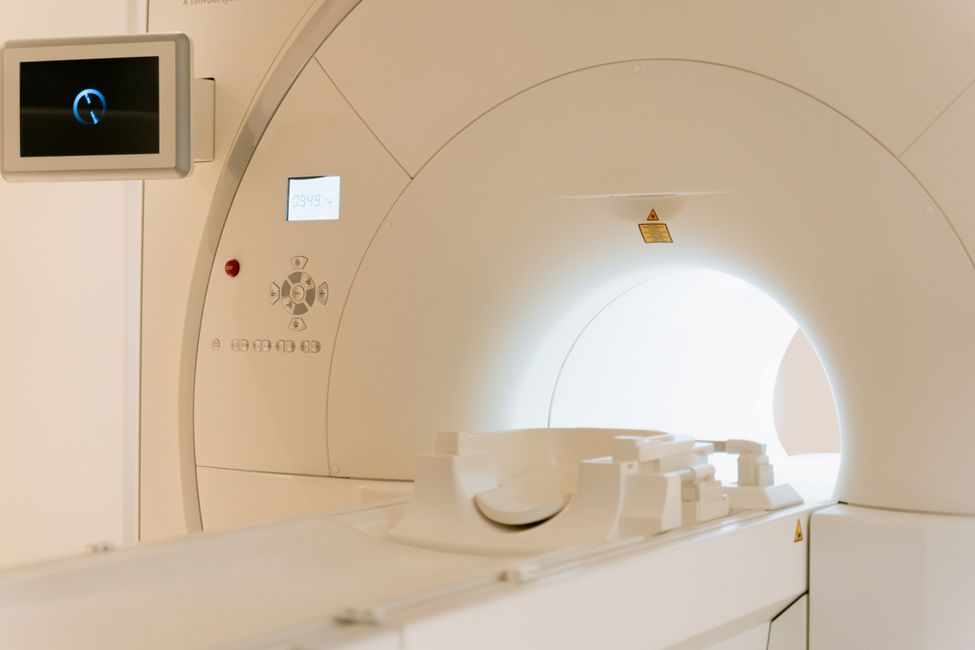
For people living with depression that hasn't responded to medication or therapy, a modified approach to brain stimulation is showing encouraging results. Researchers have found that applying magnetic fields to both sides of the brain, rather than just one, can lead to rapid improvements in symptoms.
The treatment, called repetitive transcranial magnetic stimulation or TMS, works by placing an electromagnetic coil against the scalp. This device sends high-frequency magnetic pulses into the brain, targeting areas involved in mood regulation. What makes this approach different is the bilateral application, reaching both hemispheres rather than focusing on a single side.
A non-invasive option when other treatments fall short
Depression affects people differently, and what works for one person may not work for another. For those who have tried multiple medications or different forms of therapy without relief, the search for effective treatment can feel exhausting. TMS offers a non-invasive alternative that doesn't require surgery or anaesthesia.
The magnetic pulses are delivered through the skull without any incisions or implants. Sessions typically take place in a clinical setting, with patients sitting in a chair while the electromagnetic coil is positioned carefully against their head. The treatment has been used for years in various forms, but this bilateral approach represents a refinement of the technique.

*Photo: Khuram Naseem · Pexels*
What stands out in the recent findings is the speed of improvement. Many people dealing with depression know that traditional treatments can take weeks or even months to show effects. Antidepressant medications, for instance, often require four to six weeks before any mood changes become noticeable. The ability to see more rapid results could make a meaningful difference, particularly for people in acute distress.
Understanding how magnetic stimulation works
The science behind TMS relates to how our brains communicate. Neurons send signals using electrical impulses, and these signals help regulate everything from movement to mood. In depression, certain brain circuits appear to function differently, with some areas showing reduced activity.
By applying magnetic fields to specific regions, TMS aims to stimulate neural activity in those areas. The repetitive nature of the pulses helps encourage lasting changes in how those circuits function. Think of it as a way to gently nudge the brain toward healthier patterns of activity.
Targeting both sides of the brain appears to enhance this effect. While the research doesn't specify exactly why bilateral stimulation works better, it suggests that engaging multiple brain regions simultaneously may create more comprehensive changes in mood regulation networks.
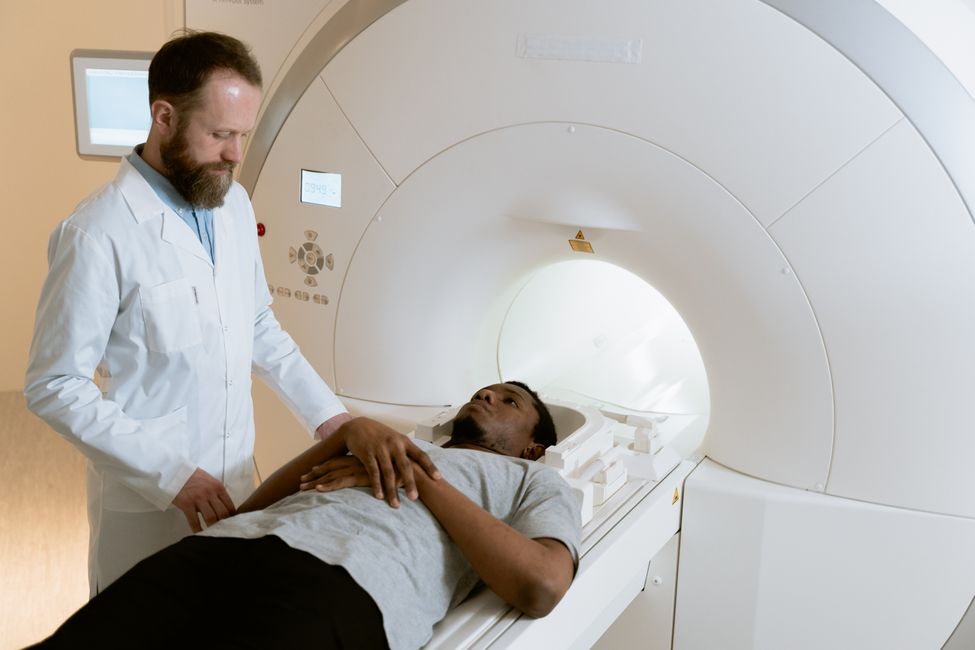
*Photo: MART PRODUCTION · Pexels*
What this means for treatment options
The findings are particularly relevant for people with treatment-resistant depression, a term used when someone hasn't responded adequately to at least two different treatment approaches. This situation affects a significant portion of people diagnosed with depression, and the emotional weight of trying treatment after treatment without relief can compound the original struggle.
Having another evidence-based option available expands the toolkit for both patients and clinicians. It doesn't mean TMS will work for everyone, and it's not positioned as a replacement for other treatments. Rather, it represents another path to explore when the more common approaches haven't provided sufficient help.
The non-invasive nature of the treatment also matters. Some people are understandably cautious about taking medications, whether due to side effects they've experienced or concerns about long-term use. Others may have medical conditions that limit which medications they can safely take. A treatment that doesn't involve pharmaceuticals provides an important alternative.
Looking ahead
As with any medical intervention, questions remain. The research shows that bilateral TMS can produce rapid improvements, but longer-term outcomes, optimal treatment schedules, and which specific patient groups benefit most will require further study. The treatment also needs to be accessible, which means considering costs, insurance coverage, and the availability of trained practitioners.
Still, for people who have been searching for something that works, this development offers genuine reason for hope. Depression can feel isolating, and when treatments don't help, that isolation can deepen. Knowing that researchers continue to refine and improve interventions, and that new approaches are emerging, matters.
The human brain remains complex and not fully understood, but each advance in treatment brings us closer to helping more people find relief. This bilateral approach to magnetic stimulation represents one more step in that direction, grounded in careful research and focused on the real experiences of people living with depression.
For anyone struggling right now, remember that treatment landscapes continue to evolve, and support is available.
Based on reporting from sciencedaily.com.

Comments
Loading comments…