Nerve Stimulation Shows Promise for Gut-Brain Connection in New Research
Scientists find that activating a key nerve pathway may help calm inflammatory bowel symptoms triggered by stress.

The link between our minds and our digestive systems has long been recognised, but new research is shedding light on just how deeply these two are connected. A recent study in mice suggests that stimulating a major nerve pathway could offer relief for inflammatory bowel disease symptoms that worsen under stress.
Researchers discovered that activating the vagus nerve, which runs from the brainstem through the body to the abdomen, helped reduce gut inflammation in mice with colitis. The findings point to a specific biological mechanism that connects stress, immune response, and digestive health.
Understanding the Vagus Nerve's Role
The vagus nerve acts as a communication highway between the brain and many of our internal organs, including the gut. It plays a crucial part in what scientists call the gut-brain axis, the two-way signalling system that explains why we might feel butterflies in our stomach when anxious or lose our appetite when stressed.
In this study, researchers worked with mice that had colitis, a form of inflammatory bowel disease. They found that when stress worsened the animals' symptoms, stimulating the vagus nerve helped calm the inflammation. The key appears to lie in a process called SUMOylation, an immune response that the body uses to regulate inflammation in the gut.
When this immune mechanism goes into overdrive, it can trigger the kind of chronic inflammation seen in conditions like Crohn's disease and ulcerative colitis. The vagus nerve stimulation seemed to help regulate this process, keeping inflammation in check.
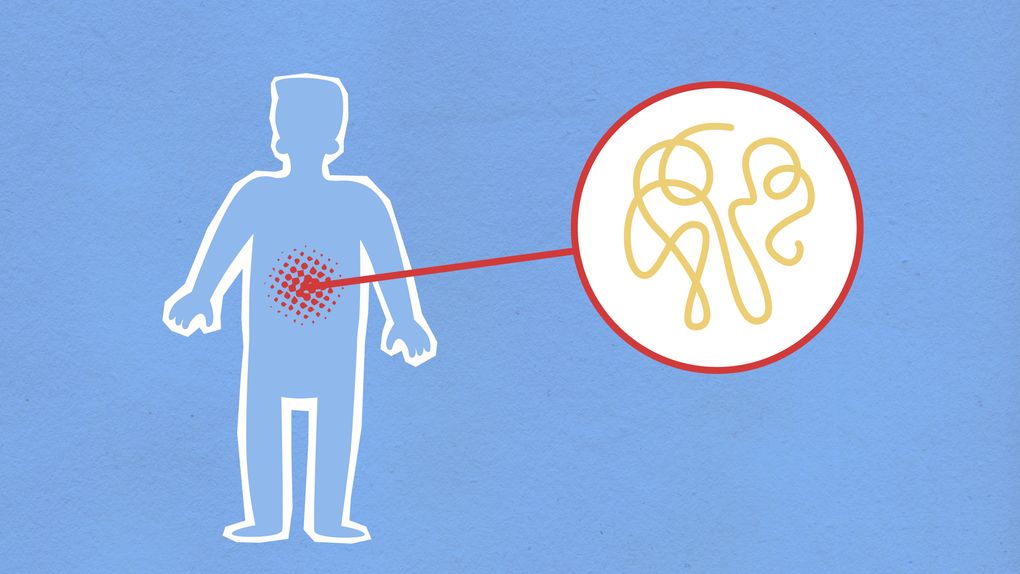
*Photo: Monstera Production · Pexels*
What This Means for Treatment
The research offers a potential new avenue for treating inflammatory bowel disease, particularly in cases where symptoms flare during periods of stress. Current treatments for these conditions often focus on suppressing the immune system broadly or targeting specific inflammatory proteins. This approach would work differently, using the body's own nervous system to modulate the immune response.
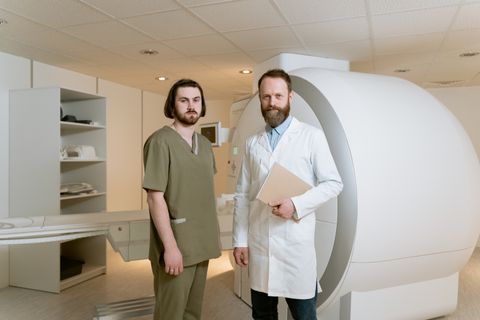
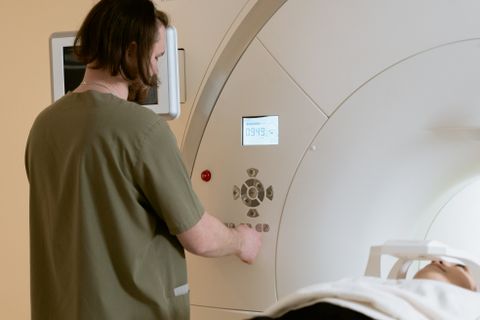
Vagus nerve stimulation isn't entirely new to medicine. It's already used to treat certain cases of epilepsy and depression that don't respond to other treatments. In those applications, a small device is implanted under the skin to deliver regular electrical pulses to the nerve. The technique has a relatively good safety profile, though it does require surgery and isn't without side effects.
What makes this research particularly interesting is how it highlights the role of stress in physical illness. People living with inflammatory bowel disease often report that their symptoms worsen during stressful periods. Understanding the biological pathway behind this connection could lead to more targeted interventions.
The Broader Picture
This study adds to a growing body of evidence showing that mental and physical health aren't separate domains but deeply intertwined systems. The vagus nerve appears to be one of the key players in this integration, carrying signals that affect inflammation, mood, heart rate, and digestion.
For people living with chronic digestive conditions, the research validates what many already know from experience: that stress and gut health are connected in very real, physical ways. It also suggests that treatments addressing both the nervous system and the immune system might be more effective than those targeting either alone.

*Photo: Tima Miroshnichenko · Pexels*
Of course, this research was conducted in mice, and findings in animal studies don't always translate directly to humans. The mechanisms are similar enough that the results are promising, but clinical trials in people would be needed before vagus nerve stimulation could become a standard treatment for inflammatory bowel disease.
Still, the study opens up questions worth exploring. Could less invasive forms of vagus nerve activation, such as certain breathing exercises or meditation techniques that are thought to stimulate the nerve naturally, offer some benefit? Might understanding this pathway help explain why stress management is so important for people with gut conditions?
The research also reinforces why integrated approaches to health matter. When we're dealing with conditions that sit at the intersection of mental and physical wellbeing, treatments that address both dimensions may offer the best outcomes.
For anyone living with inflammatory bowel disease, this research doesn't change treatment options today, but it does point toward possibilities for tomorrow. It suggests that the felt sense of stress making symptoms worse isn't just psychological but has clear biological underpinnings that could one day be addressed through targeted therapies.
The findings remind us that our bodies are remarkably interconnected systems, where a nerve pathway can link our stress response to our gut health, and where understanding these connections might lead to gentler, more effective ways of healing.
Based on reporting from sciencedaily.com.

Comments
Loading comments…