Brain stimulation technique shows promise for schizophrenia symptoms
A review of studies suggests a non-invasive treatment could help with aspects of schizophrenia that medications often struggle to address.
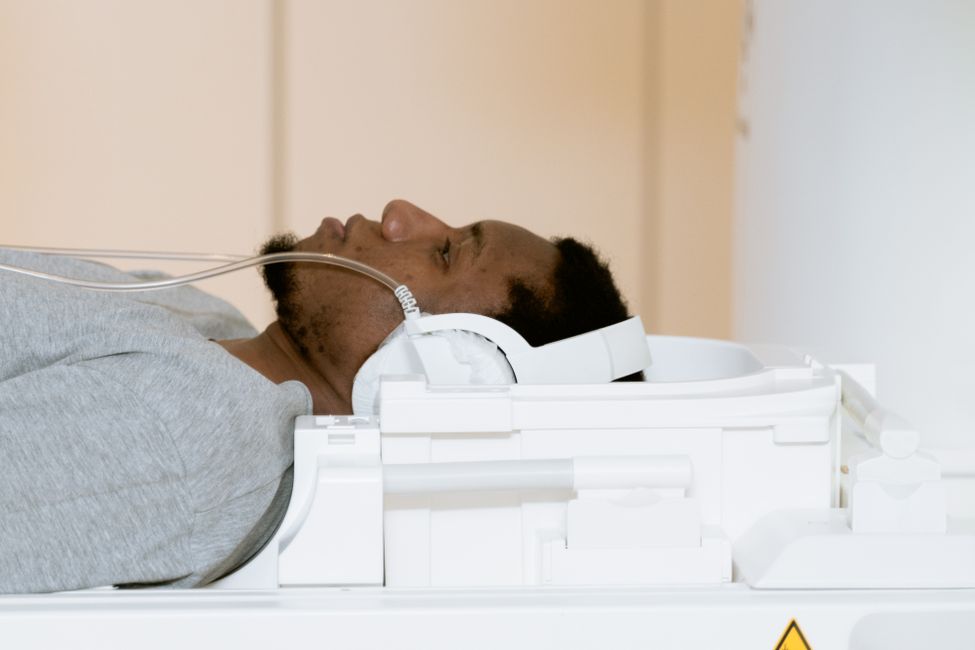
Living with schizophrenia often means navigating a complex landscape of symptoms, some of which respond better to treatment than others. While antipsychotic medications can be effective for certain aspects of the condition, they don't always address what researchers call negative symptoms—things like reduced emotional expression, social withdrawal, or difficulty with motivation. Now, a new analysis of existing studies suggests that a non-invasive brain stimulation technique might offer additional support.
Researchers have conducted a systematic review and network meta-analysis examining different protocols of theta burst stimulation, or TBS, for treating schizophrenia symptoms and cognitive difficulties. Their findings point to one particular approach as especially promising: intermittent theta burst stimulation applied over a specific area of the brain called the left dorsolateral prefrontal cortex.
What theta burst stimulation actually is
Theta burst stimulation is a form of non-invasive brain stimulation. Unlike treatments that require surgery or sedation, TBS works from outside the skull, using magnetic pulses to influence brain activity in targeted regions. The technique has been studied for various neurological conditions and has shown an ability to modify behaviour and brain function.
What makes TBS distinct from some other brain stimulation methods is its delivery pattern. The magnetic pulses are delivered in bursts that mimic a natural brain rhythm called theta waves, which occur during certain states of consciousness and are thought to play a role in memory and learning.
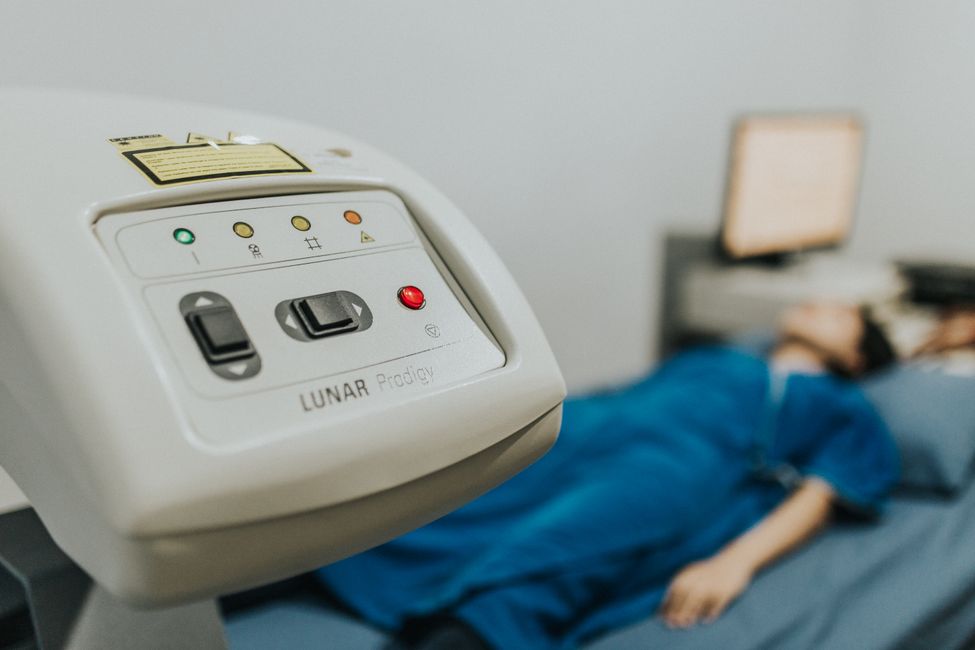
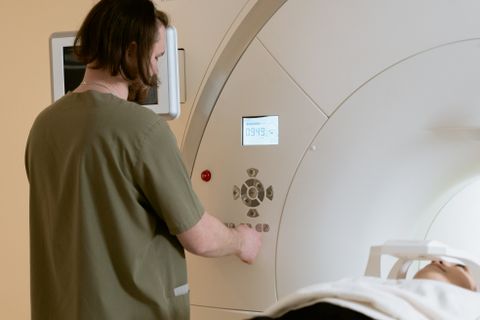
*Photo: Charlss GonzHu · Pexels*
The current analysis looked at different ways of applying TBS—different locations on the brain, different intensities, and different patterns of delivery. The goal was to work out which combination showed the most benefit for people living with schizophrenia, particularly for symptoms that don't always improve with medication alone.
Targeting negative symptoms and thinking difficulties
The review identified intermittent TBS over the left dorsolateral prefrontal cortex as particularly effective. This brain region sits roughly behind your forehead on the left side and plays important roles in planning, decision-making, working memory, and emotional regulation—all areas that can be affected in schizophrenia.
Negative symptoms are often described as an absence or reduction of normal functions. They might include speaking less, showing fewer facial expressions, experiencing less pleasure in activities that used to be enjoyable, or struggling to begin and sustain activities. These symptoms can profoundly affect quality of life and relationships, yet they tend to be harder to treat with standard antipsychotic medications than the more widely recognised symptoms like hallucinations or delusions.
Cognitive symptoms—difficulties with attention, memory, processing speed, and executive function—present similar challenges. They can make everyday tasks more difficult and affect someone's ability to work, study, or manage daily responsibilities.
The researchers suggest that this particular TBS protocol could serve as a promising alternative or complement to drug-based treatment, potentially filling a gap where medications fall short.
What this means in practice
It's worth noting that this is a review and analysis of existing studies rather than a new clinical trial. The researchers examined multiple studies to identify patterns and compare different approaches. This type of analysis is valuable because it pools information from many sources, but it also means we're looking at what the evidence suggests rather than a single definitive answer.
*Photo: Lefteris Betsis · Pexels*
The fact that a non-invasive technique shows promise is significant. For many people, the idea of a treatment that doesn't involve adding another medication—with its own potential side effects and interactions—is appealing. Brain stimulation techniques also tend to have fewer systemic side effects than drugs because they target specific brain regions rather than affecting the whole body.
That said, any treatment approach needs to be properly evaluated, individualised, and delivered by trained professionals. What works well in controlled research settings needs time and further study to become widely available and to understand who benefits most.
For anyone interested in mental health treatment and innovation, this research represents a hopeful direction. It acknowledges that different symptoms require different tools, and that the future of schizophrenia treatment may involve a more nuanced, personalised approach rather than one-size-fits-all solutions.
The scientific community continues to search for ways to support people living with schizophrenia in addressing the full range of their experiences, not just the most visible symptoms. Research like this reminds us that treatment is evolving, and that there may be more options on the horizon for people who haven't found complete relief with existing approaches.
Based on reporting from sciencedaily.com.

Comments
Loading comments…