YouTube raises the bar for creators seeking ad revenue
The platform has doubled its requirements for joining its partner programme, making it harder for new podcasters to earn.
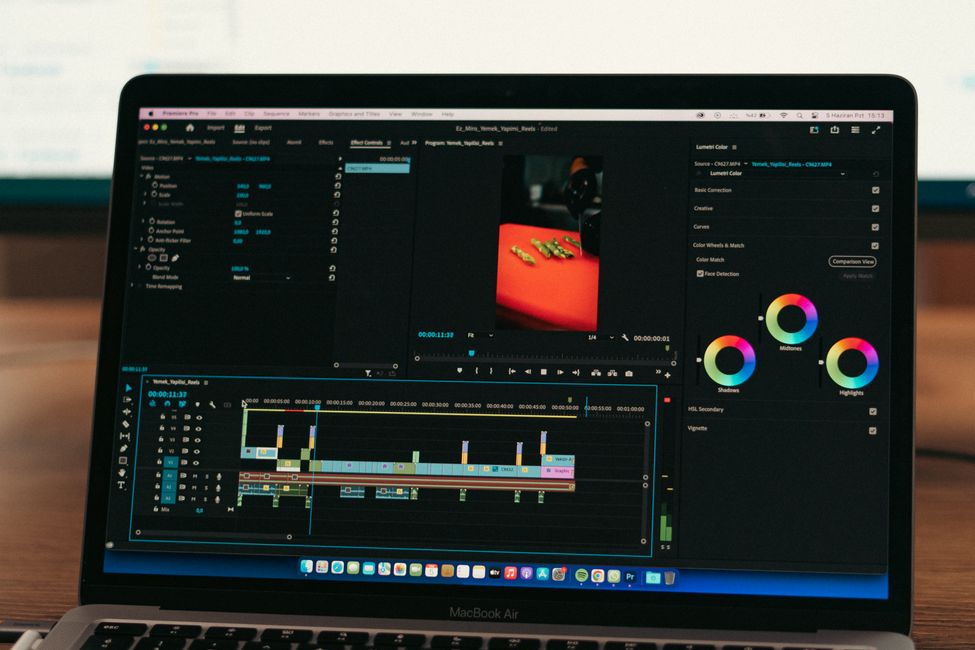
YouTube has quietly made it more difficult for podcasters and video creators to start earning money from their content. The platform has doubled the requirements needed to qualify for its Partner Programme, the gateway to receiving ad revenue from videos.
The change means creators now need significantly more watch time and engagement before they can monetise their work. For anyone building a podcast presence on YouTube or hoping to turn their video content into a source of income, the goalposts have shifted considerably.
What's changed
The Partner Programme is how YouTube shares advertising revenue with creators. Until now, there was a clear threshold: reach it, and you could start earning from ads placed on your videos. YouTube has now raised that threshold substantially.
While the source material doesn't specify the exact new numbers, the headline makes clear the difficulty has doubled. This affects podcasters who use YouTube as a video platform, particularly those who film their recording sessions or create video versions of their audio shows. It also impacts anyone creating mental health content, meditation videos, or wellness material on the platform.

*Photo: RDNE Stock project · Pexels*
The timing is notable. YouTube has become an increasingly important platform for podcasters over the past few years. Many shows now release video versions alongside their audio feeds, and some listeners prefer watching conversations unfold rather than just listening. The platform offers discoverability that traditional podcast apps sometimes struggle to match.
Why this matters for podcast creators
For established creators with large audiences, this change probably means little. They cleared the old threshold long ago and will continue earning as before. But for newcomers, the challenge just got steeper.
Building an audience takes time. It requires consistency, quality content, and often months or years of work before momentum builds. The promise of eventual monetisation helps sustain that effort. Knowing there's a point where the work might generate income, even modest amounts, keeps people going through the difficult early stages.
Doubling the requirements means that point now sits further in the future. Creators will need to produce more content, attract more viewers, and sustain their effort for longer before seeing any financial return. For some, particularly those creating content around mental health and wellness, this could feel discouraging. These topics often require careful, thoughtful work that may not chase viral trends or maximise watch time in the way entertainment content might.

*Photo: Jakub Zerdzicki · Pexels*
There's also a practical consideration. Many podcasters invest in equipment, software, and time. The hope of monetisation helps justify those investments. When the bar rises, the return on that investment becomes more uncertain.
The bigger picture
YouTube is not obligated to share revenue with creators at any particular threshold. The platform sets its own rules, and those rules can change. From YouTube's perspective, raising standards might improve overall content quality or reduce administrative overhead in managing the programme.
But platforms and creators exist in a relationship. Creators bring the content that attracts viewers. Viewers bring the attention that attracts advertisers. Advertisers bring the revenue that YouTube shares. When one part of that equation shifts, it affects everyone.
For the podcasting community specifically, this serves as a reminder that relying on any single platform carries risk. YouTube's policies are YouTube's to change. The same applies to Spotify, Apple Podcasts, or any other distribution channel. Building directly with your audience, through email lists, RSS feeds, or your own website, provides stability that platform dependence cannot.
This doesn't mean avoiding YouTube. The platform offers real value for discovery and audience building. But it suggests treating it as one part of a broader strategy rather than the foundation of one.
What it means for you
If you're creating podcast content on YouTube and haven't yet qualified for monetisation, the path just got longer. That's frustrating, and the frustration is valid. The work you're doing still matters. The conversations you're having, the information you're sharing, the community you're building, all of that has value beyond what any algorithm measures.
For those creating content around mental wellbeing, remember that impact and income are different metrics. The person who finds your video at three in the morning and feels less alone, they won't show up in your monetisation dashboard. But they're the reason the work matters.
The change is a practical setback, not a judgment on your content or your effort. Keep creating if it serves you. Explore other revenue options if you need them. Patreon, direct sponsorships, and listener support all exist outside YouTube's requirements. And if this shift makes the work feel unsustainable, that's important information too.
Based on reporting from podnews.net.


Comments
Loading comments…