YouTube introduces A/B testing for video creators
The platform is rolling out new tools that let creators experiment with what works, a shift that could help podcasters reach more viewers.
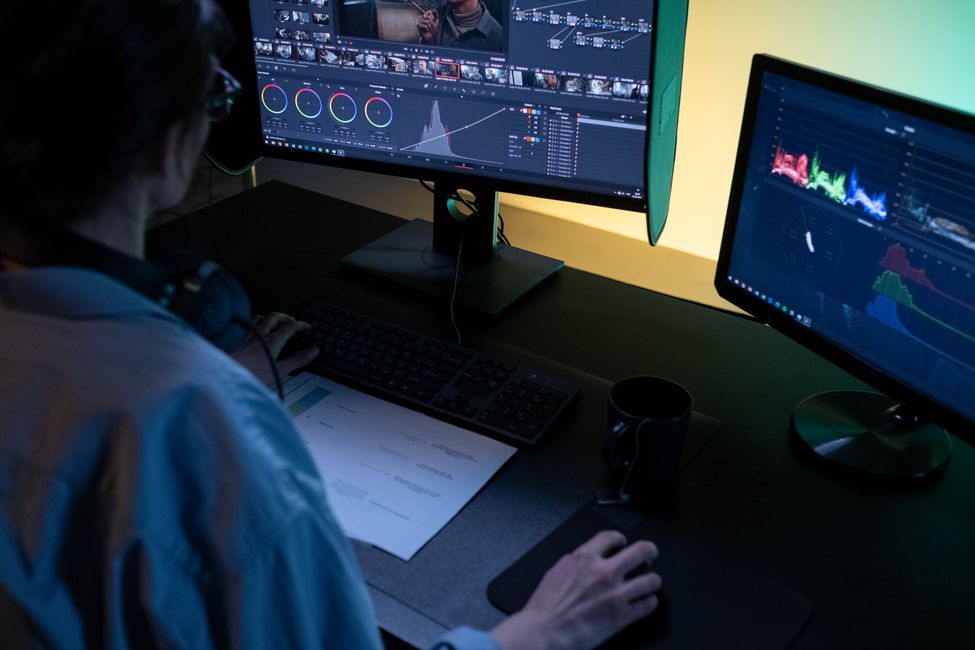
YouTube has announced a set of new features for creators, with A/B testing for video files standing out as a particularly useful tool for anyone trying to understand what resonates with their audience.
The update marks another step in YouTube's evolution as a serious platform for podcasters and audio-first creators who have increasingly turned to video to expand their reach. For those who treat their work as both a creative practice and a small business, the ability to test and learn what connects with viewers could mean the difference between a show that grows and one that plateaus.
What A/B testing means for creators
A/B testing, a method borrowed from marketing and product design, allows creators to try out different versions of the same video to see which performs better. While the announcement from YouTube doesn't specify every detail, the concept typically involves showing different thumbnails, titles, or other variables to separate portions of your audience, then measuring which version gets more clicks, longer watch times, or better engagement.
For podcasters who publish video versions of their episodes, this is significant. The thumbnail and title are often the only chance you get to convince someone scrolling through their feed to stop and listen. A small change in wording or image choice can have an outsized impact on whether someone decides your conversation is worth their time.
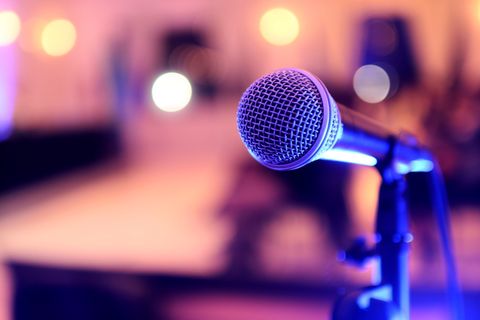
*Photo: Zulfugar Karimov · Pexels*
Until now, creators have had to rely on intuition, past experience, or trial and error over multiple uploads to figure out what works. A/B testing brings a more systematic approach. It acknowledges that even thoughtful, experienced creators don't always know what will land, and that testing is not a sign of uncertainty but of care.
Why this matters for podcasters on YouTube
Podcasting has changed dramatically in recent years. What began as an audio-only medium has expanded, with many shows now recording video and uploading full episodes to YouTube. Some creators do this reluctantly, feeling the pressure to be everywhere. Others have embraced it, finding that video opens doors to new listeners who might never have found them through audio apps alone.
But video brings new challenges. A podcast episode that works beautifully as audio might not translate as compelling video. The visual elements, the pacing, even the way a title is phrased for a YouTube audience versus a podcast feed, all require different thinking.
A/B testing gives podcasters a way to learn what works without having to guess. It respects the reality that audience behaviour is complex and sometimes surprising. A title you think is clever might fall flat, while a straightforward description of what the episode contains might perform far better. Testing removes some of the guesswork and replaces it with information.
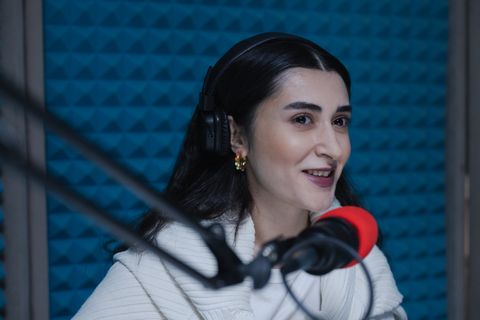
*Photo: Jakub Zerdzicki · Pexels*
The feature also reflects a broader truth about creative work in the digital age. Success is rarely about one brilliant idea executed perfectly on the first try. It's more often about iteration, learning, and adjusting. A/B testing formalises that process and makes it accessible to creators who might not have the resources or technical know-how to run their own experiments.
A tool, not a magic solution
Of course, testing is only as useful as what you do with the results. Numbers can tell you what happened, but they don't always tell you why. A thumbnail that gets more clicks might attract the wrong audience, people who leave quickly because the content isn't what they expected. A title that tests well in the short term might not build the kind of trust and clarity that sustains a show over months and years.
The best use of A/B testing is probably as one tool among many. It can inform your choices, highlight patterns you might have missed, and save you time. But it won't replace the need for a clear sense of who your show is for, what you're trying to say, and why it matters.
For podcasters on YouTube, these new features arrive at a moment when video is no longer optional for many shows. Whether that's a good thing is still up for debate, but the reality is that audiences are on YouTube, and creators are following them there. Anything that makes the platform more navigable and less opaque is worth paying attention to.
This update is a reminder that platforms evolve, and the tools available to creators evolve with them. Staying curious about what's possible, without losing sight of what matters most, is part of the work. A/B testing won't make a mediocre show great, but it might help a great show find the people who need to hear it.
For Healthy Mind by Avik and others in the mental wellness space, where connecting with the right listener at the right time can genuinely matter, that's no small thing.
Based on reporting from podnews.net.
Comments
Loading comments…