Why the Future of Podcasting Belongs to Creators, Not Gatekeepers
A timely reminder that independent voices still hold the reins in podcasting, and why that matters for everyone who has a story to tell.
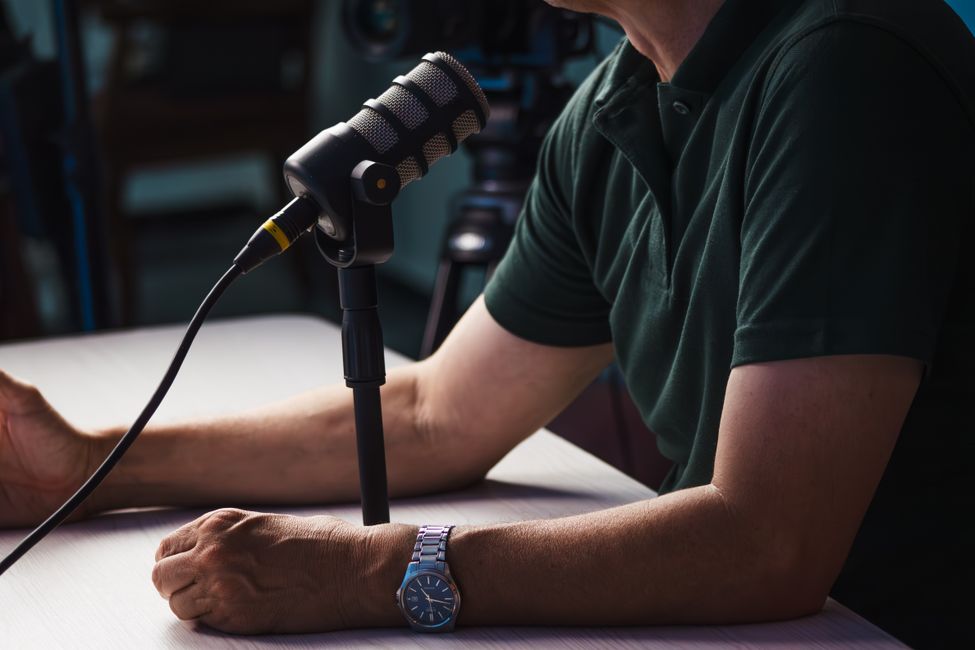
In an media landscape increasingly dominated by algorithms, platforms, and corporate consolidation, podcasting remains a rare space where creators still hold the power. That's the encouraging message coming from industry observers this week, and it's worth pausing to consider what that means for anyone who's ever thought about starting a show or sharing their voice.
Unlike traditional radio or television, podcasting has never required permission from gatekeepers. You don't need a broadcast license, a studio deal, or approval from a network executive. The barrier to entry remains remarkably low: a microphone, an idea, and the willingness to put yourself out there. That fundamental openness hasn't changed, even as the industry has grown and professionalised around the edges.
The Power Stays Decentralised
What makes podcasting different from social media platforms is that creators aren't building their audience on rented land. When you publish a podcast, you own the RSS feed. Your listeners subscribe directly to your show, not through an intermediary that can change the rules overnight. If you decide to switch hosting providers or distribution methods, your audience comes with you.
This technical architecture might sound dry, but it has profound implications. It means a podcast about mental health, grief, or recovery doesn't live or die by an algorithm's whim. It means niche communities can find each other without needing millions of listeners to be considered viable. It means someone speaking about their lived experience with anxiety or depression can reach the people who need to hear it, without corporate approval.
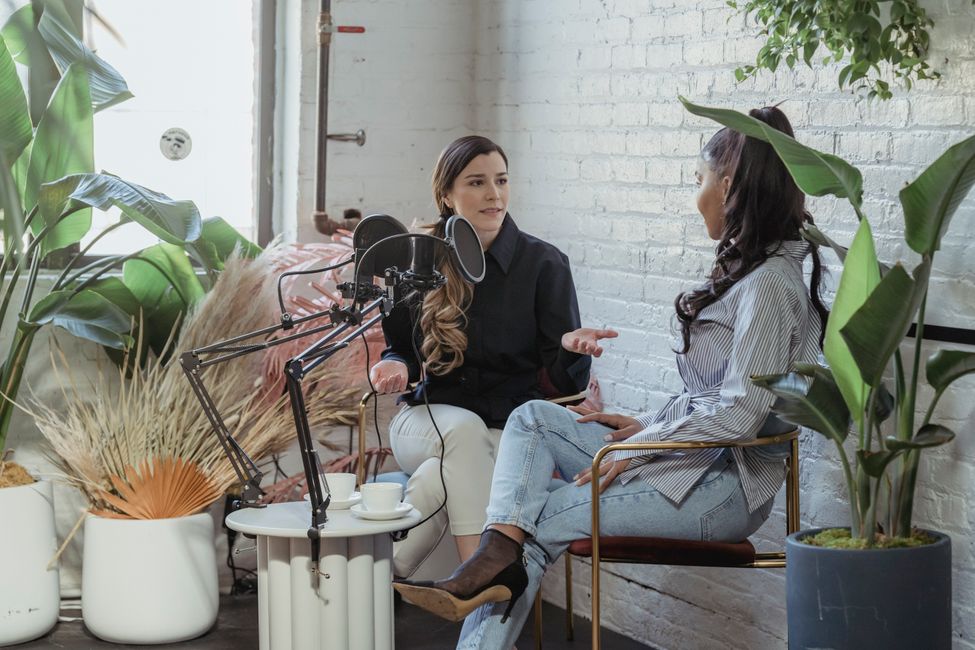
*Photo: George Milton · Pexels*
The industry has seen plenty of changes recently. Major platforms have invested heavily in exclusive content. Advertising has become more sophisticated. Production values have risen. But none of these shifts have fundamentally altered who can make a podcast or who gets to listen. The medium remains stubbornly democratic in a way few others are.
Good Things Happening Across the Industry
Beyond the structural advantages of podcasting, there are positive developments worth noting across the sector. The industry continues to mature in ways that benefit creators without centralising control. Better tools are becoming available for independent producers. Understanding of what makes podcasts work is deepening and being shared more generously.
For those creating content around mental wellness, personal growth, or human connection, this matters enormously. These aren't topics that always fit neatly into commercial categories. They require space to breathe, to meander, to meet listeners where they are. Podcasting allows for that in ways that other media increasingly don't.
The fact that power remains distributed also means diverse voices can thrive. Someone sharing their journey through burnout or their experience with therapy doesn't need to compete with true crime blockbusters for the same algorithmic spotlight. Different shows can serve different communities, all coexisting in the same open ecosystem.
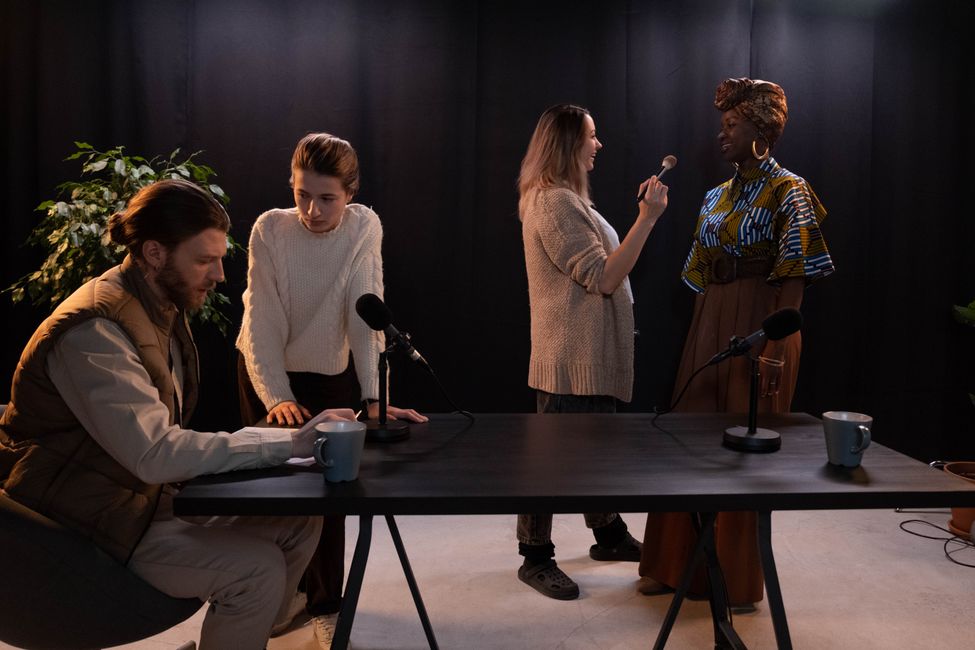
*Photo: cottonbro studio · Pexels*
What This Means for Creators
For anyone considering starting a podcast, or for existing creators wondering about the medium's future, the message is reassuring. The fundamental promise of podcasting hasn't been broken by growth or commercialisation. You still own your relationship with your listeners. You still control your content. You still decide what gets said and how.
This doesn't mean success is automatic or that making a podcast is easy. Creating something people want to hear, building an audience, and sustaining a show over time all require work and persistence. But the playing field remains more level than almost anywhere else in media.
For platforms like ours at Healthy Mind by Avik, this openness is foundational. It allows conversations about wellbeing to happen in an intimate, long-form way. It lets people share their stories without reduction or sensationalisation. It creates space for the kind of thoughtful, nuanced discussion that mental health topics deserve.
The podcasting industry will continue to evolve. New technologies will emerge, business models will shift, and listener habits will change. But as long as the core architecture remains open and creator-controlled, the medium will continue to serve as a unique space for human connection and authentic voice.
That's genuinely good news, not just for the industry, but for everyone who believes in the power of stories to heal, connect, and make sense of our inner lives.
Based on reporting from podnews.net.


Comments
Loading comments…