Why podcast hosts feel like the most trustworthy voices in our lives
New research shows listeners trust podcast hosts more than those around them, revealing something profound about modern connection.
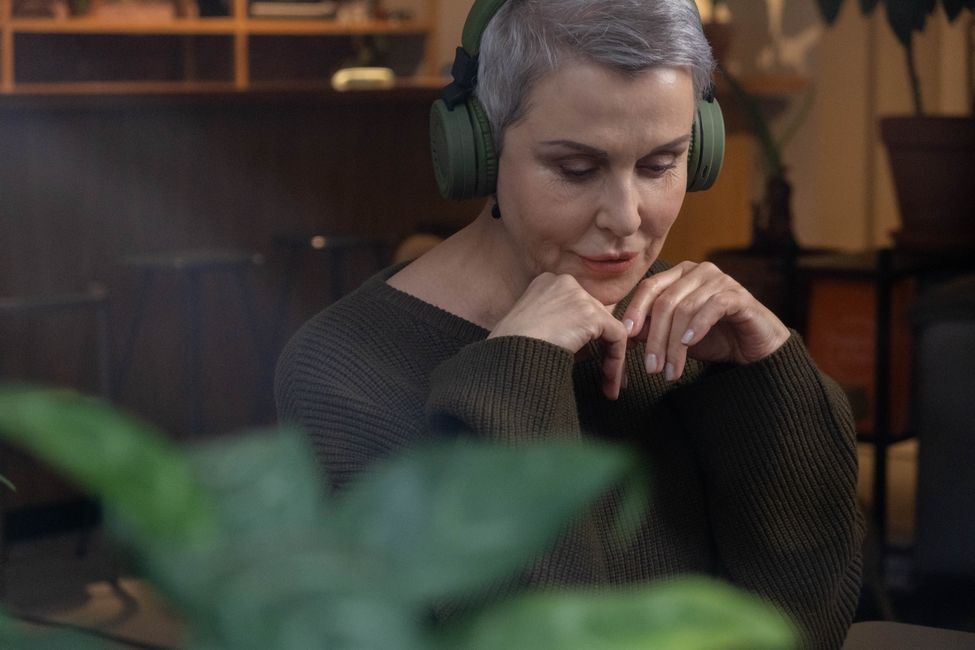
There's something quietly remarkable happening in the relationship between podcast hosts and their listeners. New research has found that people trust the voices coming through their earbuds more than many of the voices in their immediate lives. It's a finding that might surprise some, but for regular podcast listeners, it probably feels like something they already knew.
The research points to a shift in how we form connections and where we turn for reliable information and companionship. Podcast hosts, it seems, occupy a unique space in our daily routines and our emotional landscapes. They're voices we invite in during commutes, while doing chores, or in those quiet moments before sleep. And according to the data, we trust them deeply.
The intimacy of the audio connection
What makes podcast hosts so trustworthy? Part of it likely comes down to the medium itself. Unlike video or written content, audio creates an unusually intimate experience. When you listen to someone's voice directly in your ears, often for extended periods, there's a sensation of closeness that's hard to replicate elsewhere. You're hearing tone, vulnerability, humour, hesitation. You're getting the unfiltered quality of someone's presence.
Many podcast hosts speak in a conversational style that feels like they're talking directly to you, not performing for a crowd. This one-to-one quality builds a sense of relationship over time. Week after week, listeners return to the same voices, learning their patterns, their values, their quirks. It becomes familiar in a way that breeds trust.
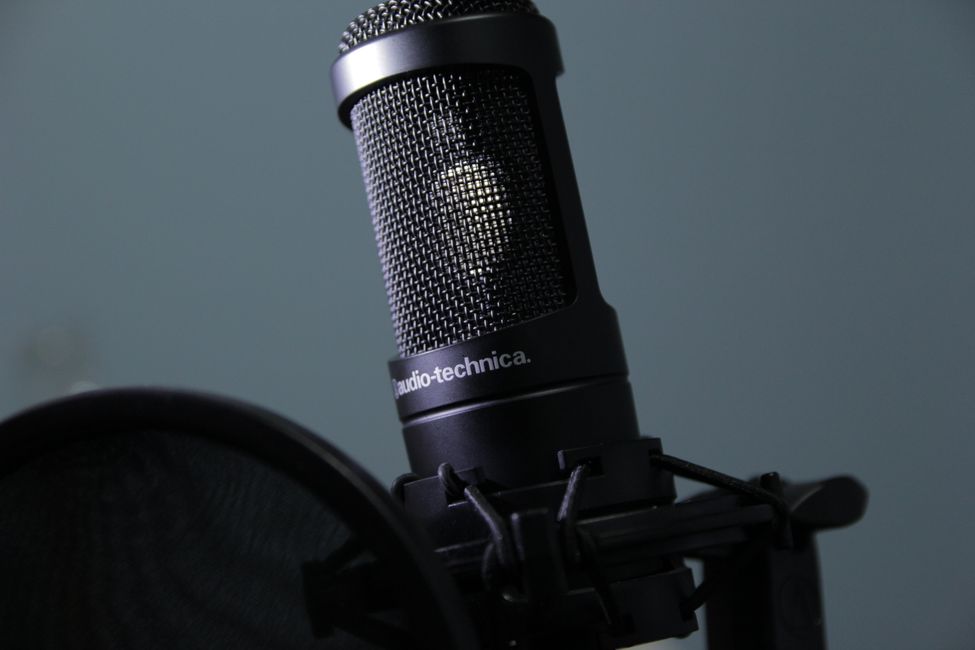
*Photo: Ivan Cuadra · Pexels*
There's also the matter of consistency. Podcast hosts show up reliably, often on a regular schedule. They share their thoughts, their expertise, sometimes their struggles. This repeated presence creates a form of parasocial relationship, where listeners feel they genuinely know the host, even though the connection only flows one way.
Trust in an age of overwhelm
The finding that podcast hosts are trusted more than people around us raises interesting questions about our current moment. We live in a time when trust in traditional institutions has declined, when misinformation spreads rapidly, and when many people report feeling isolated despite being more digitally connected than ever.
In this context, podcast hosts offer something valuable: a sense of authenticity and reliability. Many successful podcasters have built their audiences precisely because they speak honestly, admit when they don't know something, and engage with topics in a thoughtful way. They're not reading from scripts written by committees. They're often just themselves, bringing their expertise or curiosity or lived experience to conversations.
For listeners, this can feel like a refuge. Where else do you get hour-long, nuanced conversations about complex topics? Where else does someone walk you through their thought process without rushing to a conclusion? The format itself allows for depth that other media often can't provide.
What this means for creators
For those making podcasts, particularly in the mental wellness space, this research underscores the responsibility that comes with the microphone. When people trust you more than those around them, you're holding something precious. That trust should be honoured with care, accuracy, and humility.
*Photo: LinkedIn Sales Navigator · Pexels*
It also highlights what listeners are truly seeking: genuine connection, reliable voices, and spaces where they can think through ideas and feelings without judgment. The most trusted podcast hosts aren't necessarily the most polished or the most credentialed. They're the ones who show up consistently, speak truthfully, and respect their audience's intelligence and emotional needs.
This trust dynamic also reminds creators that their words carry weight. Listeners may be making decisions, forming opinions, or processing difficult emotions based partly on what they hear. That's not a burden, exactly, but it's worth keeping in mind. Being trustworthy means being thoughtful about what you share and how you share it.
For the podcasting industry broadly, these findings validate what many have sensed: that audio storytelling and conversation have carved out a meaningful place in modern life. People aren't just consuming content. They're forming relationships, building routines, and finding voices they can rely on.
In a fragmented world where it's increasingly difficult to know who or what to trust, podcast hosts have become unexpected anchors. They're companions, guides, and sometimes the most consistent presence in someone's week. That's a remarkable thing, and it speaks to both the power of the medium and the deep human need for voices that feel true.
Based on reporting from podnews.net.



Comments
Loading comments…