When a podcast about melons sparked an international diplomatic row
A seemingly innocent podcast episode about fruit became an unexpected flashpoint between nations, showing how far audio storytelling can reach.
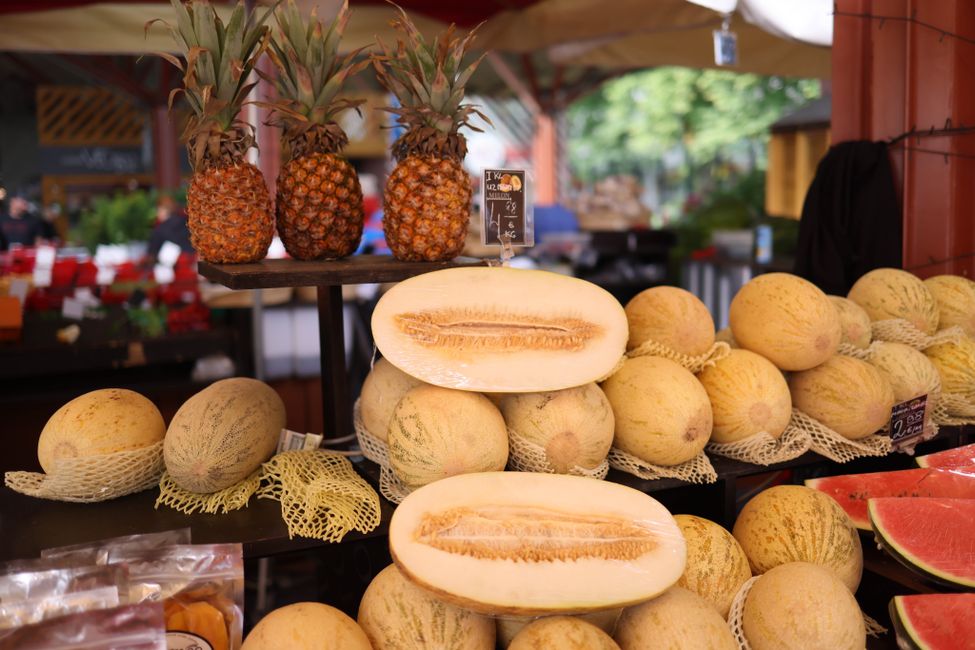
Podcasts have been known to spark debate, change minds, and occasionally ruffle feathers. But it's rare for an episode to escalate into a full diplomatic incident between countries. That's exactly what happened when a podcast discussion about melons crossed international lines in ways its creators never anticipated.
According to Podnews, a podcast episode focusing on melons triggered diplomatic tensions, though the specific details of how fruit became the centre of international discord remain part of an unfolding story. The incident serves as a striking reminder that podcasts, often created in intimate studio settings with modest audiences in mind, can have reach and impact far beyond what their hosts imagine.
The expanding influence of audio storytelling
The podcasting medium has grown from a niche hobby into a powerful form of journalism and cultural commentary. What makes this melon-related diplomatic incident particularly noteworthy is how it illustrates the global reach of even seemingly benign content. A conversation about agricultural products, fruit quality, or cultural practices around melons might seem harmless in one context, but can touch nerves when it crosses borders and cultures.
Podcasters today speak into microphones in their homes, offices, or studios, but their words can travel instantly to listeners around the world. Unlike traditional media with editorial gatekeepers and international bureaus, independent podcasters may not always anticipate how their content will be received in different cultural or political contexts. This freedom is part of podcasting's charm and power, but it also comes with responsibilities that aren't always obvious until something goes unexpectedly viral or controversial.

*Photo: FOX ^.ᆽ.^= ∫ · Pexels*
When content crosses borders
International incidents sparked by media aren't new, but podcasting adds unique dimensions to how these conflicts emerge and unfold. The intimate, conversational nature of podcasts can make hosts feel like they're talking to friends, which sometimes leads to more casual or unguarded commentary than might appear in written journalism. That informality is often what listeners love, but it can also mean that nuance gets lost or that cultural sensitivities aren't fully considered.
The melon incident, whatever its specific details, joins a growing list of examples where podcast content has had real-world consequences beyond the audio file itself. It's a reminder that podcasters are publishers, and their work exists in the same complex global landscape as any other form of media. The difference is that many podcasters come to the medium without traditional journalism training or the institutional support that might help navigate sensitive topics.
What podcasters can learn
This situation doesn't mean podcasters should self-censor or avoid international topics. The medium's strength lies in its diversity of voices and perspectives, including those outside mainstream media structures. But it does suggest that as podcasting matures, creators might benefit from being more mindful about potential interpretations of their content, especially when discussing topics that touch on national pride, cultural practices, or international relations.
For podcasters covering food, agriculture, or cultural topics, this incident is a case study in how even the most innocent-seeming subjects can carry unexpected weight. Melons might seem like a safe topic, but agricultural products can be sources of national pride, economic importance, and cultural identity. What sounds like casual commentary in one language or culture might land very differently when translated or shared in another context.
The incident also highlights the importance of context and framing. Podcasters who venture into international topics might consider seeking input from people with relevant cultural knowledge, being explicit about their own perspective and limitations, and remaining open to feedback when their content reaches audiences they hadn't anticipated.
[IMAGE: International flags together
Why this matters
For the podcasting industry, this melon-related diplomatic incident is more than just an unusual story. It's evidence that podcasting has arrived as a medium with genuine cultural and political influence. That's exciting and validating for an industry that has fought for recognition and legitimacy. But with that influence comes the same responsibilities that any media platform must grapple with.
For individual podcasters, it's a reminder to think beyond the immediate audience. Your episode about local food culture, agricultural practices, or cultural traditions might seem niche, but it exists in a global media ecosystem where context can shift dramatically. That's not a reason to stop exploring interesting topics, but perhaps a prompt to approach them with thoughtfulness about how your words might travel.
The fact that a podcast about melons could cause diplomatic waves shows just how far the medium has come, and how seriously it's now taken by audiences and institutions worldwide. For better or worse, podcasters are now part of the global conversation in ways that carry real weight and real consequences.
Based on reporting from podnews.net.



Comments
Loading comments…