Voters say podcast conversations are shaping their choices at the ballot box
A new finding suggests that one in four people could change their vote based on what they hear when politicians sit down for podcast interviews.
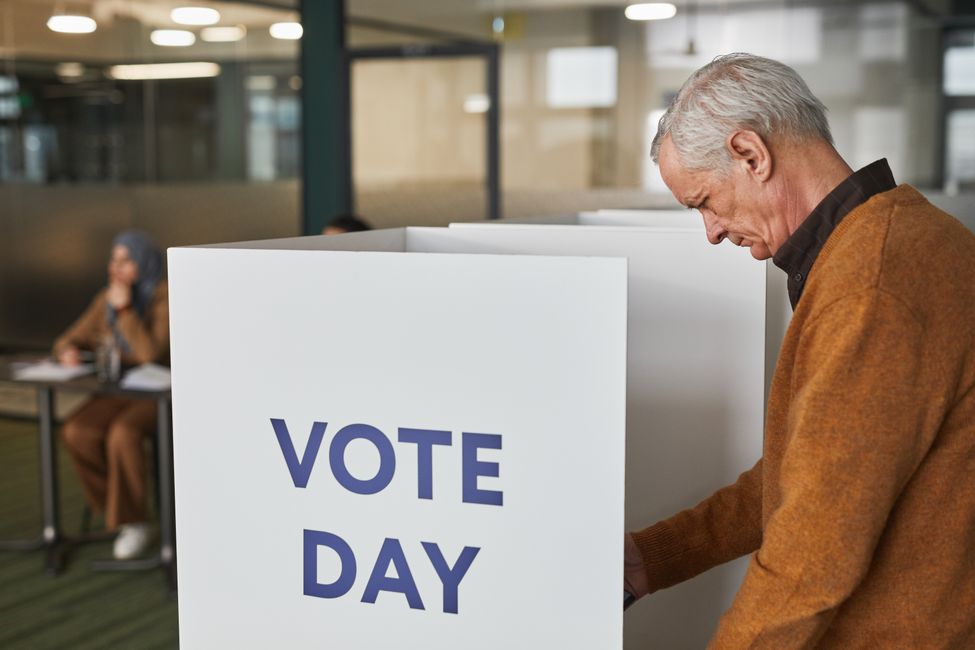
Politicians have found a new campaign trail, and it fits in your earbuds. According to fresh research, podcast appearances are becoming surprisingly influential in how people decide to vote, with one in four listeners saying these long-form conversations could actually shift their choice on election day.
The finding points to something many of us have sensed for a while: the casual, extended format of podcast interviews reveals something different than a two-minute news clip or a scripted rally speech. When a candidate sits down for an hour-long chat, there's nowhere to hide. The conversation unfolds at a human pace, and voters seem to be paying attention in ways that matter.
Why podcasts feel different to voters
There's something about the podcast format that cuts through the usual noise of political campaigns. Unlike television interviews where every second is polished and timed, podcast conversations tend to meander and breathe. A politician might start talking about policy and end up sharing a personal story about their childhood. These moments of unscripted humanity appear to be landing with audiences.
The format also allows for depth that's increasingly rare in our fragmented media landscape. Voters get to hear how a candidate thinks through a complex issue, how they respond when challenged, and what they sound like when they're trying to be genuinely persuasive rather than just hitting talking points. That extended exposure creates a different kind of relationship between listener and speaker.
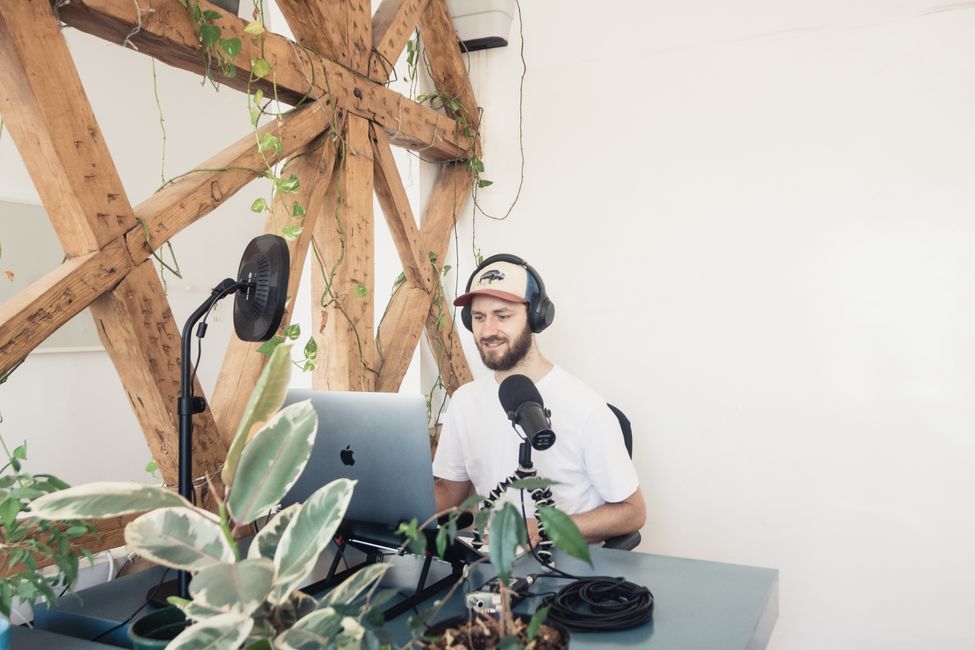
*Photo: Jeremy Enns · Pexels*
For podcast creators, this finding confirms what many have intuited: your medium carries weight. The intimacy of voice-in-ear, the trust built over time with regular listeners, and the relaxed tone of podcast conversation all combine to create an environment where influence happens naturally. When a political figure appears on a show, they're entering a space where the host has already built credibility and connection with the audience.
The shift in how we form political opinions
This research also reflects a broader change in how people gather information to make decisions. Traditional media still matters, of course, but the one-way broadcast model competes now with formats that feel more like sitting in on a genuine conversation. Podcasts occupy an interesting middle ground: they're media, but they often don't feel like it. They feel like listening to people talk.
That shift has implications beyond voting. It suggests that audiences increasingly value hearing people think out loud, change their minds, admit uncertainty, and engage in real dialogue. The podcast format accommodates all of that in ways that a three-minute television segment cannot. When one in four voters say these appearances could influence their choice, they're telling us something about what they're looking for: substance, authenticity, and time to actually understand who they're being asked to support.
*Photo: Dörte Seupel-Kör · Pexels*
The statistic also raises questions about responsibility. If podcast conversations genuinely influence how a quarter of people vote, then hosts carry a particular kind of weight during election seasons. The interviewing matters. The follow-up questions matter. Giving someone an hour of airtime without meaningful challenge, or alternatively, creating a hostile environment that doesn't allow for real conversation, both have consequences that extend beyond entertainment or downloads.
What this means for podcasters
For anyone creating podcasts, this finding is both an opportunity and a call to thoughtfulness. Your platform has influence, and that influence appears to work differently than traditional media. People listen closely. They form judgments. They might even change their minds based on what they hear in your feed.
This doesn't mean every show needs to become a political interview programme. But it does suggest that when you do engage with topics that touch on how we live together, how we're governed, or what we value as communities, your audience is listening in a way that goes beyond passive consumption.
The research also highlights the maturing of podcasting as a medium. What started as a scrappy alternative to broadcast radio has become a space where consequential conversations happen and where people turn to help make significant decisions. That's both a validation of the work podcast creators do and a reminder that the intimacy and trust of the format come with responsibility.
When voters say that podcast appearances could change how they vote, they're also saying they trust the medium enough to let it influence them. That trust is built conversation by conversation, episode by episode, by hosts who show up consistently and create space for genuine exchange. It's a trust worth honouring.
Based on reporting from podnews.net.


Comments
Loading comments…