Video podcasting gets its first universal monetisation tool
A new development means podcasters of every size can now earn money from video content on Apple's platform.
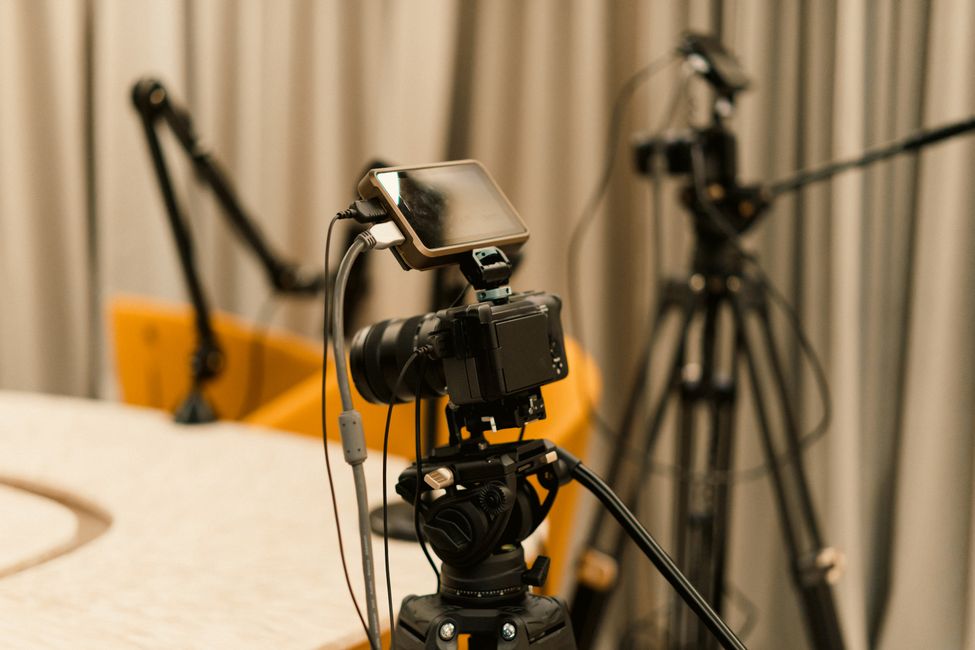
A significant shift has arrived in the podcasting landscape. For the first time, any podcaster can now monetise video content on Apple Podcasts, regardless of their audience size or network affiliation.
This marks a departure from the traditional gatekeeping that has kept smaller creators locked out of earning opportunities. Until now, monetisation on many major platforms has typically required minimum listener numbers, corporate backing, or acceptance into exclusive programmes. The barrier to entry has kept countless independent voices from turning their work into sustainable income.
Opening the doors to all creators
The new tool represents the first offering of its kind to make monetisation truly accessible. Whether you're running a two-person mental health conversation from your living room or producing a polished studio show, the playing field has levelled in a meaningful way.
This matters particularly for niche podcasters. Those covering specialist topics, from anxiety management to grief support, often build deeply engaged but smaller communities. Their listener numbers might not compete with chart-toppers, but their impact can be profound. Now those creators have a viable path to sustain their work financially.
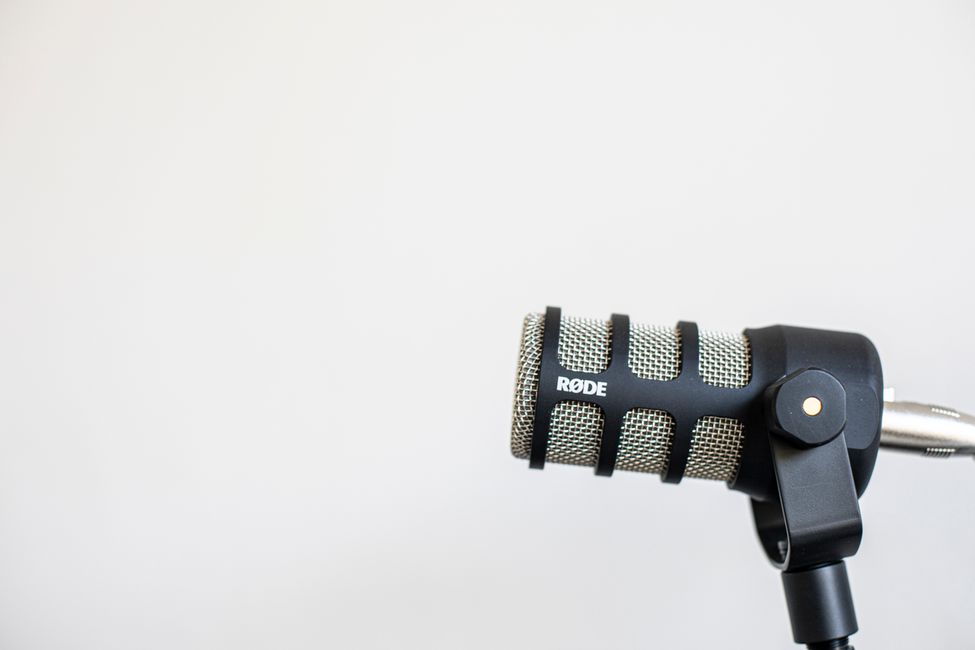
*Photo: Jean-Paul Wright · Pexels*
The move also reflects a broader recognition that audience size doesn't always correlate with value. A podcast reaching five hundred people navigating similar life challenges can create more meaningful connection than a show with fifty thousand passive listeners. Monetisation tools that acknowledge this reality help preserve the diversity of voices in the medium.
What this means for the medium
Video has become increasingly central to podcasting over the past few years. Platforms like YouTube have shown that many listeners actually prefer watching their favourite shows, whether to catch facial expressions, see demonstrations, or simply feel more connected to the hosts.
Apple's decision to democratise video monetisation suggests the company sees this format as fundamental rather than experimental. It's a vote of confidence in video podcasting as a permanent fixture, not a passing trend.
For creators who've been hesitant to invest in video equipment or production skills, this development might tip the scales. Knowing that video content can generate income from day one changes the risk calculation. A decent camera and basic lighting setup become business investments rather than expensive gambles.
The timing also matters. As more podcasters face pressure to be present across multiple platforms, each requiring different formats and approaches, streamlined monetisation helps reduce the administrative burden. Creators can focus more energy on making good work and less on navigating complex payment systems or meeting arbitrary thresholds.
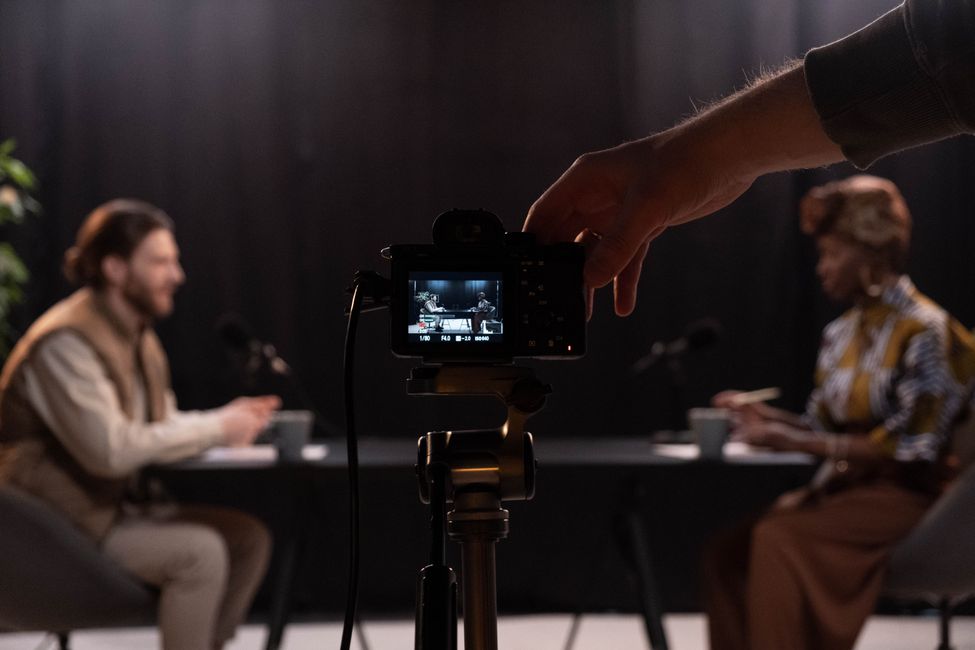
*Photo: cottonbro studio · Pexels*
The independent creator economy
This development sits within a larger story about how creative work gets funded in the digital age. For years, the path seemed clear: build a massive audience, attract advertisers, or hope for platform promotion. That model worked well for some but left many talented creators struggling.
Alternative approaches have emerged. Listener support through platforms like Patreon, premium subscriptions, and direct donations have given creators more control over their income. But these still require significant audience development and active community management.
What makes universal monetisation different is its passive potential. Once set up, it can generate income without requiring creators to constantly ask their audience for support. That psychological shift matters, particularly for people discussing vulnerable topics who may feel uncomfortable with direct asks.
For mental wellness podcasters specifically, this could be meaningful. Many people creating content about therapy, recovery, or emotional health do so from personal experience rather than as professional media makers. They're sharing hard-won wisdom, not chasing downloads. Having a monetisation path that respects smaller audiences could help more of these voices stay active and available.
The democratisation of podcast monetisation also reduces dependence on advertising, which doesn't always align well with mental health content. Ads for products or services can feel jarring in the middle of a conversation about grief or anxiety. Alternative income streams let creators maintain the tone and trust their content requires.
Why this matters
At its heart, this development is about sustainability. The podcasting world is richer when it includes voices beyond professional broadcasters and corporate studios. Personal stories, community conversations, and specialist knowledge all have a place. But those contributions become harder to maintain when they can't generate any income.
Removing size-based barriers to monetisation means more people can justify the time, energy, and resources that podcasting demands. It means fewer shows disappearing after ten episodes because the creator couldn't make it work financially. It means the medium stays diverse, accessible, and human.
For anyone who's ever thought about starting a podcast but worried about the economics, the landscape just shifted. The question is no longer whether you can reach monetisation thresholds, but whether you have something worth saying.
Based on reporting from podnews.net.



Comments
Loading comments…