The Hidden Shelf Problem: Why Great Podcasts Still Struggle to Be Found
Even with millions of shows available, the biggest challenge facing podcasters might be simple visibility.
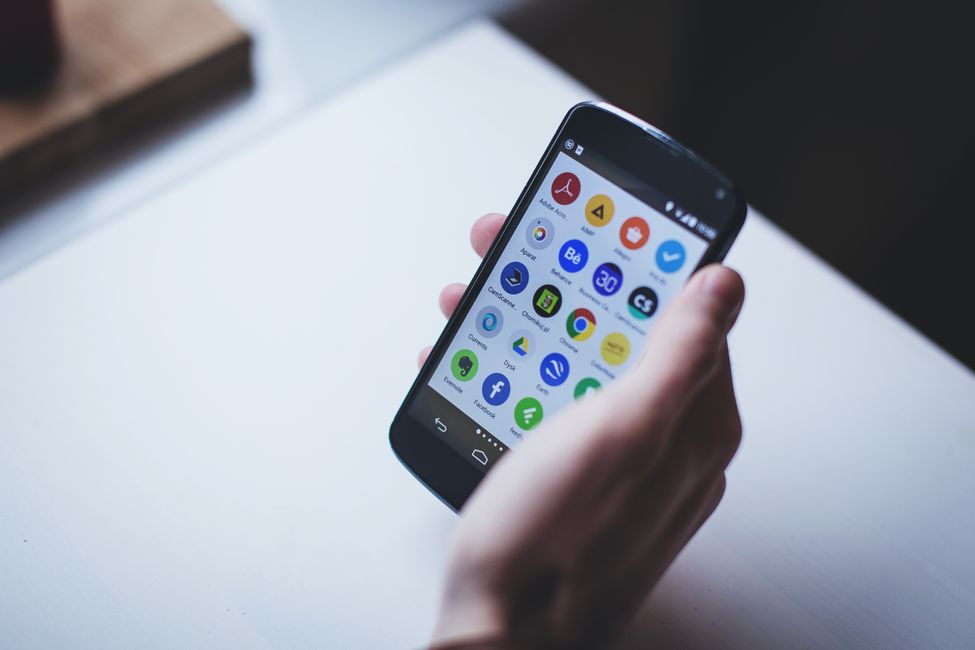
There's a question floating around the podcasting world that sounds almost too basic to ask, yet it might be the most important one facing the industry: can people actually find podcasts at all?
It's a surprising concern for a medium that's grown so dramatically over the past decade. We've gone from a few thousand shows to millions. Major celebrities launch podcasts. Production budgets rival those of television. Streaming platforms compete for exclusive rights. And yet, despite all this growth and investment, discoverability remains stubbornly difficult.
The Front of Store Metaphor
Think about walking into a bookshop or a record store. The best real estate is right at the entrance, where new releases and staff picks catch your eye before you've even decided what you're looking for. That's the front of the store, and it's valuable precisely because it introduces you to things you didn't know you wanted.
Podcasts, for the most part, don't have that advantage. They exist in apps and platforms where the architecture itself can work against discovery. If you already know what you're looking for, you'll probably find it. But stumbling onto something new, something unexpected that speaks to exactly what you need right now? That's much harder.
The issue isn't just about algorithm recommendations, though those play a role. It's about whether podcasts occupy prominent space in the broader media landscape at all. When someone opens their podcast app, what do they see first? When they're scrolling social media or browsing entertainment options, do podcasts even register as possibilities?
*Photo: ready made · Pexels*
What This Means for Creators
For anyone making a podcast, especially in spaces like mental health and wellness, this visibility challenge is deeply personal. You might pour your heart into creating thoughtful conversations about anxiety, grief, community care or personal growth. You might have guests who share vulnerable stories that could genuinely help someone going through a hard time. But if that work never reaches the people who need it most, what's the point?
The traditional advice for podcast growth usually involves consistency, quality content and engaging with your audience on social media. All of that matters. But it assumes people can find you in the first place, that they're already in the ecosystem looking. The deeper problem is that podcasts as a whole may not be surfaced prominently enough in people's daily media diet.
This isn't anyone's fault exactly. It's structural. Unlike video content that autoplays on social feeds or music that's embedded everywhere, podcasts require a slightly more intentional choice. You have to decide to listen, often during specific times like commuting or exercising. That makes them intimate and focused, which is wonderful. But it also makes them easy to overlook.
Why It Matters Beyond Numbers
The discoverability question isn't just about downloads or chart positions. It's about connection. Mental health podcasts, for instance, often serve as lifelines for people who feel isolated or are working through difficult emotions. A conversation about managing overwhelm or navigating a life transition might reach someone at exactly the moment they need it.
But that only happens if they can find the show. If podcasts remain hidden away in apps that people rarely open, or if they're buried beneath layers of menus and categories, then even the most valuable content stays invisible.
There's also something to be said about how podcasts fit into the broader conversation about media and wellbeing. We talk a lot about screen time, about the constant scroll, about platforms designed to keep us engaged rather than fulfilled. Podcasts offer something different: slower, more thoughtful, often more human. They're conversations rather than content in the extractive sense.
Yet if they're pushed to the margins, if they're not at the front of the store where people naturally encounter them, we lose that alternative. The media landscape becomes even more dominated by what's loud and immediate, rather than what's reflective and meaningful.
The challenge ahead is figuring out how to make podcasts more present without losing what makes them special. How do we bring them forward without turning them into just another thing competing for fragmented attention? How do platforms, creators and listeners together build a culture where podcasts aren't an afterthought but a genuine option in people's daily choices about what to take in?
These aren't simple questions, and they don't have quick answers. But they're worth asking, especially for those of us who believe in the power of voice, story and conversation to make a difference in someone's day or life.
For podcasters working in mental wellness and other meaningful spaces, the takeaway is this: keep making work that matters, but also keep pushing for visibility, not just for yourself but for the medium as a whole. The conversations we need most only help when people know they're there.
Based on reporting from podnews.net.



Comments
Loading comments…