Tech Giants Profit from Apps That Block Podcast Ads
Apple and Google are earning revenue from apps designed to strip ads from podcasts, raising questions about platform responsibility.
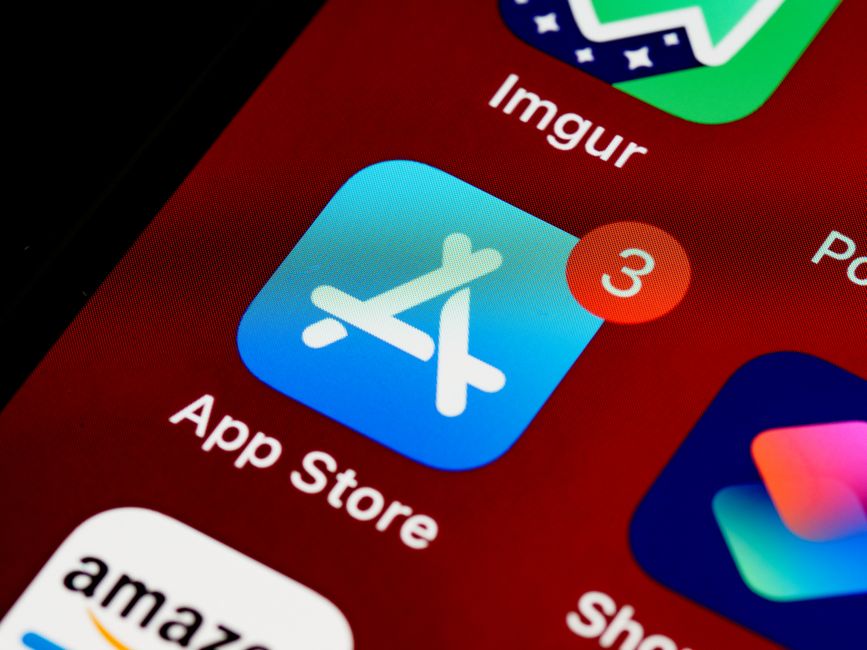
The app stores run by Apple and Google are currently hosting and profiting from applications that allow users to block or skip advertisements in podcasts, according to a report from Podnews. It's a situation that puts two of the world's most powerful tech companies in an awkward position, earning money from tools that undermine the business model keeping many podcast creators afloat.
The issue sits at an uncomfortable intersection of technology, ethics and economics. While listeners might appreciate ad-free experiences, the reality is that advertising remains the primary revenue source for the majority of podcasters. When apps offer ways to automatically strip out or skip those ads, they're not just removing annoyances, they're potentially removing livelihoods.
The Platform Paradox
Both Apple and Google take a commission from paid apps and in-app purchases sold through their stores. This means they're earning revenue from applications specifically designed to circumvent the advertising that funds podcast production. It's a curious arrangement. These same companies also run podcast platforms, Apple Podcasts and YouTube, where they actively work to connect advertisers with audiences.
The situation raises questions about what responsibility platform holders have toward the broader ecosystem they support. Apple and Google have historically positioned themselves as curators of their app stores, removing applications that violate guidelines around privacy, safety or functionality. Yet ad-blocking podcast apps apparently don't cross any lines that would prompt removal.

*Photo: Jessica Lewis 🦋 thepaintedsquare · Pexels*
The challenge is that this isn't technically illegal. Users have always had ways to skip through content they don't want to hear. What's different now is the automation and scale. These apps don't require manual fast-forwarding. They use technology to detect and remove advertising segments, making the process seamless and invisible.
What It Means for Creators
For independent podcasters especially, this trend represents a real threat. Unlike large media companies with multiple revenue streams, many creators depend almost entirely on advertising to cover production costs, equipment and their time. When significant numbers of listeners use ad-blocking technology, the metrics that attract advertisers start to look less appealing.
The podcasting industry has traditionally operated on trust. Download numbers are reported, ad reads are inserted, and advertisers pay based on the assumption that listeners are actually hearing those messages. Ad-blocking apps break that chain. They create a gap between downloads and actual ad delivery that's difficult to measure and even harder to account for.
Some might argue this is simply market evolution, that creators need to adapt by finding alternative revenue models like listener support, premium subscriptions or live events. And there's truth in that. Diversification is wise. But the transition isn't instant, and many podcasters are already operating on thin margins.

*Photo: Andrea Piacquadio · Pexels*
The Bigger Picture
What makes this situation particularly complex is that it touches on legitimate tensions in digital media. Listeners do have reasonable concerns about advertising. Some podcast ads are intrusive, repetitive or poorly targeted. The user experience can genuinely suffer when shows are interrupted by lengthy commercial breaks or promotions that feel irrelevant.
There's also a philosophical question about ownership and control. When someone downloads a podcast file to their device, do they have the right to modify how they experience it? Many would say yes. The counterargument is that free content comes with an implicit agreement, that advertising is the trade-off for not paying directly.
Neither Apple nor Google has publicly commented on why they continue to allow these apps in their stores. The companies may view it as a matter of user choice, or they may simply not see it as their role to police how people consume content. But the silence feels notable given how vocal both companies can be about supporting creators and building healthy digital ecosystems.
Why This Matters
For anyone who makes podcasts or cares about independent media, this situation is worth watching. It highlights how decisions made by platform companies can have ripple effects across entire industries. Apple and Google aren't creating ad-blocking technology themselves, but by hosting and profiting from it, they're tacitly endorsing a practice that could reshape podcast economics.
The question isn't really about any single app or platform. It's about what kind of media landscape we want to build and who has responsibility for maintaining it. When the companies that control access to audiences profit from tools that undermine creator revenue, something feels out of balance. The advertising model has flaws, certainly, but it has also enabled thousands of voices to share their work with the world. Finding ways to sustain that while respecting listener experience is the challenge ahead.
Based on reporting from podnews.net.



Comments
Loading comments…