Substack gives podcasts a dedicated home in its app
The newsletter platform is quietly building a podcasting ecosystem that's already earning creators $200 million annually.

Substack has added a podcast tab to its mobile app, making it easier for listeners to find and follow audio content on the platform. It's a small interface change that points to something bigger: podcasting has become a significant part of Substack's creator economy, with the platform now generating $200 million a year for podcasters.
The new tab puts podcasts front and centre alongside written newsletters, signalling that Substack sees audio as much more than a side feature. For a platform that built its reputation on helping writers earn directly from their audience, this is a meaningful shift in how it presents itself to users.
A quiet success story
The $200 million figure is striking, especially because Substack's podcasting features have developed without much fanfare. While the platform has been vocal about supporting independent writers and journalists, its audio offerings have grown more quietly in the background.
Unlike dedicated podcast platforms that rely on advertising or complex monetisation schemes, Substack's model is straightforward. Creators can publish audio content alongside their writing, and subscribers who pay for access to a newsletter often get the podcast episodes bundled in. It's simple, integrated, and apparently working well for a substantial number of creators.
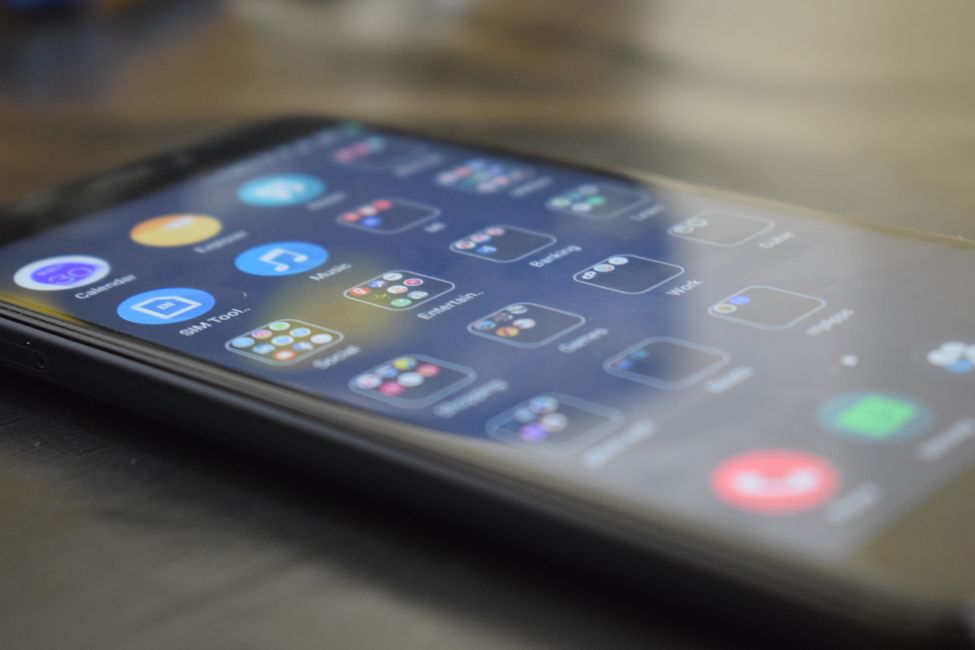
*Photo: Amarnath Radhakrishnan · Pexels*
The addition of a dedicated podcast tab suggests Substack is now ready to treat audio as a first-class citizen on its platform. Previously, podcast episodes were accessible but not immediately visible. You had to know what you were looking for. Now, anyone opening the app will see podcasts as a distinct category, which could help creators reach new listeners who might not have discovered their audio work otherwise.
What it means for independent creators
For podcasters trying to build sustainable careers, Substack offers something increasingly rare: a direct relationship with listeners who pay them. There's no intermediary ad network, no algorithm deciding who sees your work, no chase for downloads to impress sponsors. You create, people subscribe, you get paid.
This model won't work for everyone. It requires an existing audience or the ability to build one, and it asks listeners to commit financially before they've necessarily heard much of your work. But for creators who have cultivated trust with their readers, adding a podcast can deepen that relationship. The voice carries intimacy and personality in ways writing sometimes can't quite capture.
The $200 million in annual earnings also suggests there's a healthy cohort of podcasters making this work. Substack has been careful not to promise anyone will get rich, but the collective success points to a viable alternative to the traditional podcast monetisation path. Instead of racing to tens of thousands of downloads to attract advertisers, creators can focus on building smaller, more committed audiences who value the work enough to support it directly.
*Photo: Erik Mclean · Pexels*
A different kind of podcasting ecosystem
Substack's approach contrasts sharply with the big podcast platforms. Spotify, Apple, and YouTube all want massive audiences and use different strategies to keep people inside their ecosystems. Substack is building something quieter and more intimate, a space where the relationship between creator and listener is the whole point.
The platform doesn't publicise download numbers or charts. It doesn't push podcasts algorithmically based on what's trending. It simply gives creators tools to publish and charge for their work, then gets out of the way. For some podcasters, especially those tired of chasing metrics that feel increasingly arbitrary, this could be deeply appealing.
Adding a podcast tab won't transform Substack into a Spotify competitor overnight, and that's probably not the goal. Instead, it acknowledges what's already happening on the platform and makes it easier for people to discover. It's a recognition that many of Substack's most successful creators are working across multiple formats, and the platform needs to reflect that.
For the wider podcasting world, it's another sign that subscription models are here to stay. After years of debate about whether listeners will pay for podcasts, platforms like Substack are proving they will, under the right conditions. Those conditions seem to include trust, quality, and a sense of direct support rather than impersonal consumption.
The question now is whether this quiet success will attract more creators to try subscription podcasting, or whether Substack's model works precisely because it's not overrun with people trying to replicate it. Either way, $200 million in annual earnings suggests there's real value in letting creators and listeners connect directly, without layers of industry infrastructure in between.
For podcasters wondering about their path forward, Substack's growing audio presence offers one clear message: there are multiple ways to make this work, and the loudest platform isn't always the most sustaining one.
Based on reporting from podnews.net.



Comments
Loading comments…