Podcasting shifts beyond audio as creators embrace video and new platforms
The industry is evolving fast, with video and multi-platform strategies now shaping how podcasters reach audiences and earn revenue.
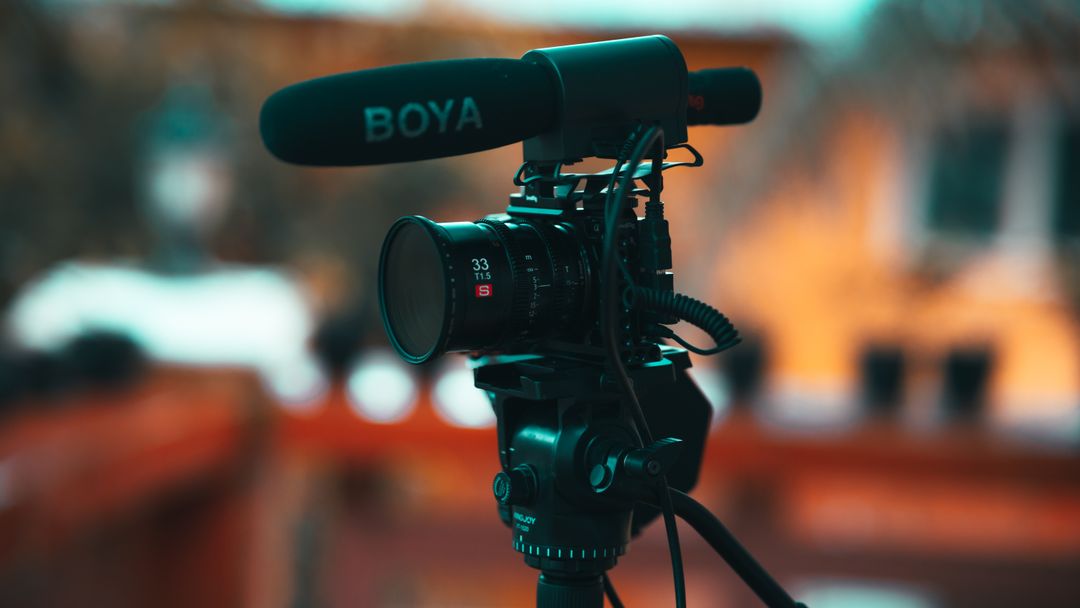
The podcasting landscape is changing shape. What began as a purely audio medium has quietly transformed into something broader, and the shift is bringing real results for creators willing to adapt.
According to industry observers, podcasters who have moved beyond traditional audio-only formats are seeing both increased consumption and stronger revenue streams. The change reflects a wider truth about how audiences now discover and engage with content, whether they're listening during a commute or watching on their screens at home.
The multi-format reality
For years, podcasting meant one thing: audio files, downloaded or streamed, often consumed while doing something else. That simplicity was part of the appeal. But audience behaviour has evolved, and so have the platforms where podcasts live.
Video has become a significant part of the equation. Platforms like YouTube now host millions of podcast episodes in video form, and many listeners actively choose to watch rather than simply listen. This isn't about abandoning audio, but about meeting audiences where they already spend their time.
The strategic shift requires creators to think differently about production. A podcast recorded with video in mind needs different preparation than a purely audio show. Lighting, framing, and visual presence all matter now, alongside the quality of conversation and sound that have always been essential.

*Photo: SERHAT TURAN · Pexels*
What the change means for creators
Embracing multiple formats has practical implications. Creators who adapt their workflows to include video often find new revenue opportunities through platforms that offer different monetisation models than traditional podcast hosting. Advertising, sponsorship, and direct audience support can all work differently when video enters the picture.
Consumption patterns shift too. A podcast available in both audio and video forms can reach people in different contexts throughout their day. Someone might watch an episode at breakfast, then return to listen to another while walking the dog. The flexibility serves the audience, and that service often translates into loyalty.
This evolution also changes how podcasts are discovered. Search algorithms, recommendation engines, and social sharing all function differently across platforms. A show that exists only as an audio feed in traditional podcast apps has a narrower path to new listeners than one that also appears on video platforms with their own discovery mechanisms.
The industry data suggests that creators who have made this transition are seeing tangible results. More people are finding their work, spending more time with it, and the financial sustainability of podcasting as a creative practice is improving for those who adapt.
The human element remains
Despite all the technical and strategic changes, the heart of podcasting hasn't shifted. People still connect with authentic voices, honest conversations, and stories that resonate. The medium's intimacy, whether experienced through earbuds or a screen, continues to be its greatest strength.
What has changed is the recognition that intimacy can exist across formats. A thoughtful conversation doesn't lose its power because it's also captured on camera. In fact, for some audiences, seeing the faces and body language of speakers deepens the connection rather than diminishing it.

*Photo: Ketut Subiyanto · Pexels*
The challenge for creators is balancing expansion with authenticity. Adding video or spreading across platforms makes sense only if it serves the work and the audience, not if it's simply chasing trends. The podcasters finding success with these strategies seem to be those who've thought carefully about what their particular show gains from a multi-format approach.
For mental wellness content specifically, this evolution opens interesting possibilities. Some conversations about wellbeing benefit from the visual cues that video provides, the reassurance of seeing a calm, present person speaking. Others work better as pure audio, a gentle voice accompanying someone through a difficult moment without demanding their visual attention.
The key is intentionality. Understanding what each format offers and choosing accordingly.
Why this matters
This shift in podcasting reflects a broader truth about creative work in this moment: flexibility and adaptation often lead to sustainability. Creators who can meet audiences across different platforms and formats have more pathways to build meaningful work that also supports them financially.
For those of us creating content around mental wellness, the expansion beyond pure audio means more ways to reach people who might benefit from the conversations we're having. It means building communities across platforms, each with their own culture and possibilities.
The podcasting industry's evolution reminds us that good ideas can take many forms, and that staying curious about how we share our work often opens doors we didn't know existed.
Based on reporting from podnews.net.



Comments
Loading comments…