Most podcast listeners now switch between video and audio formats
New research shows the majority of podcast fans are moving fluidly between platforms, choosing how they listen moment by moment.
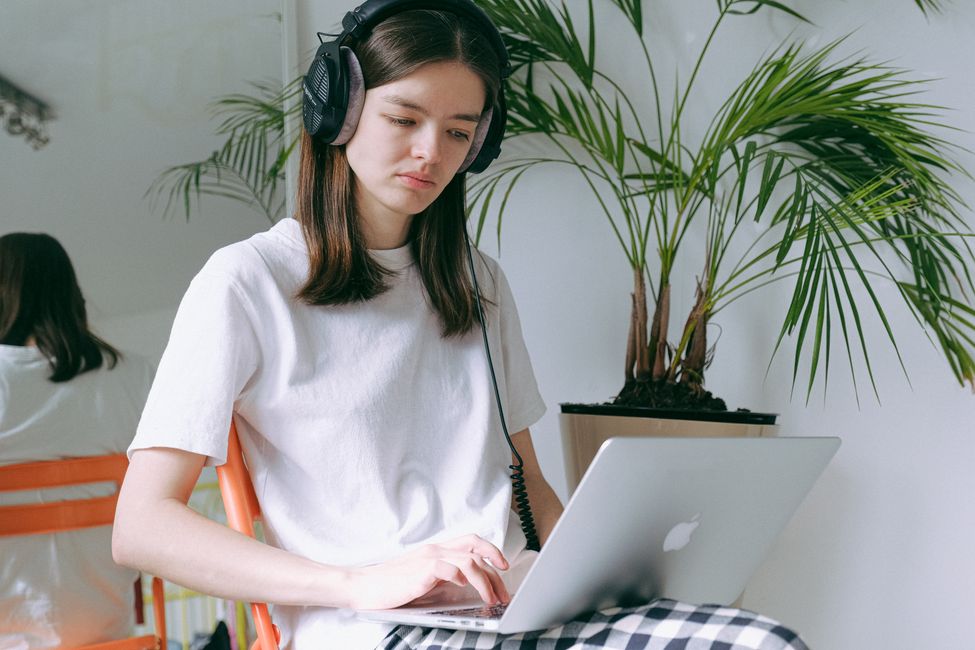
The way people listen to podcasts has fundamentally changed. According to new findings from Acast, nearly two-thirds of podcast listeners now regularly shift between audio and video formats, suggesting the old boundaries between podcast platforms have quietly dissolved.
The research, part of Acast's Podcast Pulse survey, found that 63% of listeners are what the company calls "format shifting." That means most people are no longer loyal to a single way of consuming their favourite shows. They might listen to an episode on their commute, then switch to watching the video version at home, or vice versa. The podcast is the same, but the medium flexes to fit their day.
The format argument is over
Acast says this behaviour marks the end of a long-running debate in the podcasting world about whether video belongs in the medium at all. For years, purists argued that podcasts were fundamentally an audio experience, something intimate and portable that lived in your ears while you folded laundry or walked the dog. Video, they worried, would dilute what made podcasting special.
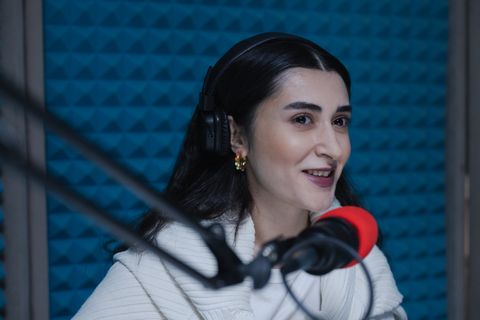
But listeners have voted with their behaviour. They're not choosing sides. They're choosing convenience, context, and sometimes just what feels right in the moment. A conversational interview might land differently when you can see the guest's face. A storytelling show might work better as pure sound. People are learning to read their own needs and pick accordingly.
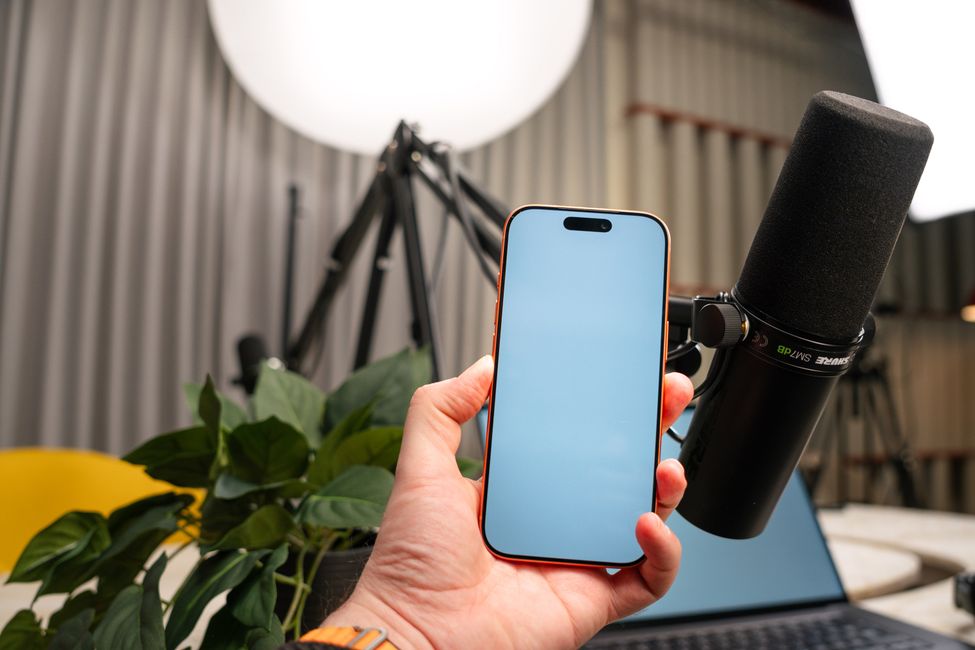
*Photo: Jakub Zerdzicki · Pexels*
This shift reflects something broader about how we consume media now. We're less bound by format than by content. A single piece of work might reach us as a Twitter thread, a newsletter, a YouTube video, or a podcast episode, and we're comfortable with all of it. The container matters less than what's inside.
What it means for creators
For podcast makers, the findings suggest that thinking in terms of "audio versus video" may already be outdated. The question isn't which format to choose, but how to make your show available in the ways your audience wants to find it.
That doesn't necessarily mean every podcast needs a video component. But it does mean understanding that listeners are increasingly platform-agnostic. They might discover you on YouTube, subscribe on Spotify, and listen on Apple Podcasts, all in the same week. The medium is becoming invisible in a sense, the wrapping paper rather than the gift.
This kind of fluidity also changes how we think about discovery. A show that exists in multiple formats has more doors for people to walk through. Someone scrolling YouTube might stumble on a clip they'd never have found in an audio-only feed. A commuter might prefer the podcast app. Both are valid entry points to the same conversation.
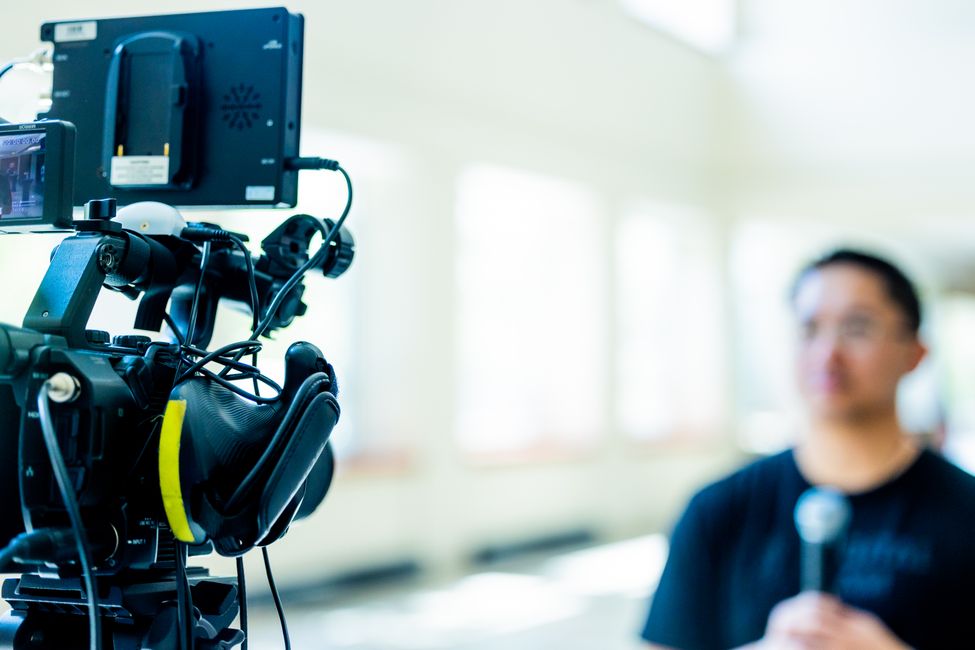
*Photo: Caleb Oquendo · Pexels*
The challenge for creators is staying true to what makes their show work while adapting to these multiple contexts. A podcast built around intimate audio storytelling doesn't necessarily need talking heads on camera. But maybe it benefits from visual chapter markers, or animated illustrations, or even just a static image that gives it a presence on video platforms. The point is flexibility without compromise.
A more human way to listen
What feels quietly hopeful about this research is that it shows people are listening to their own rhythms. They're not being dictated to by platforms or format wars. They're making choices that fit their lives, their moods, their moments.
Some days you want to see someone's face while they talk. Other days you want the freedom to close your eyes and just hear the words. Both impulses are human. Both are valid. The fact that listeners are moving between them suggests a kind of creative literacy, an instinct for what serves the content best at any given time.
For podcasters, especially those creating shows about mental wellness, self-reflection, or personal stories, this format fluidity opens up new possibilities. A meditation might work beautifully as audio. A conversation about body language or facial expressions might benefit from video. The same show can hold both, and listeners will find their way to what they need.
The takeaway is simple but significant. Podcasting is no longer defined by the technology that delivers it. It's defined by the human connection it creates, however that connection is made. Whether someone listens with their ears or their eyes, they're still there with you, still present to the conversation. And that's what matters most.
Based on reporting from podnews.net.

Comments
Loading comments…